

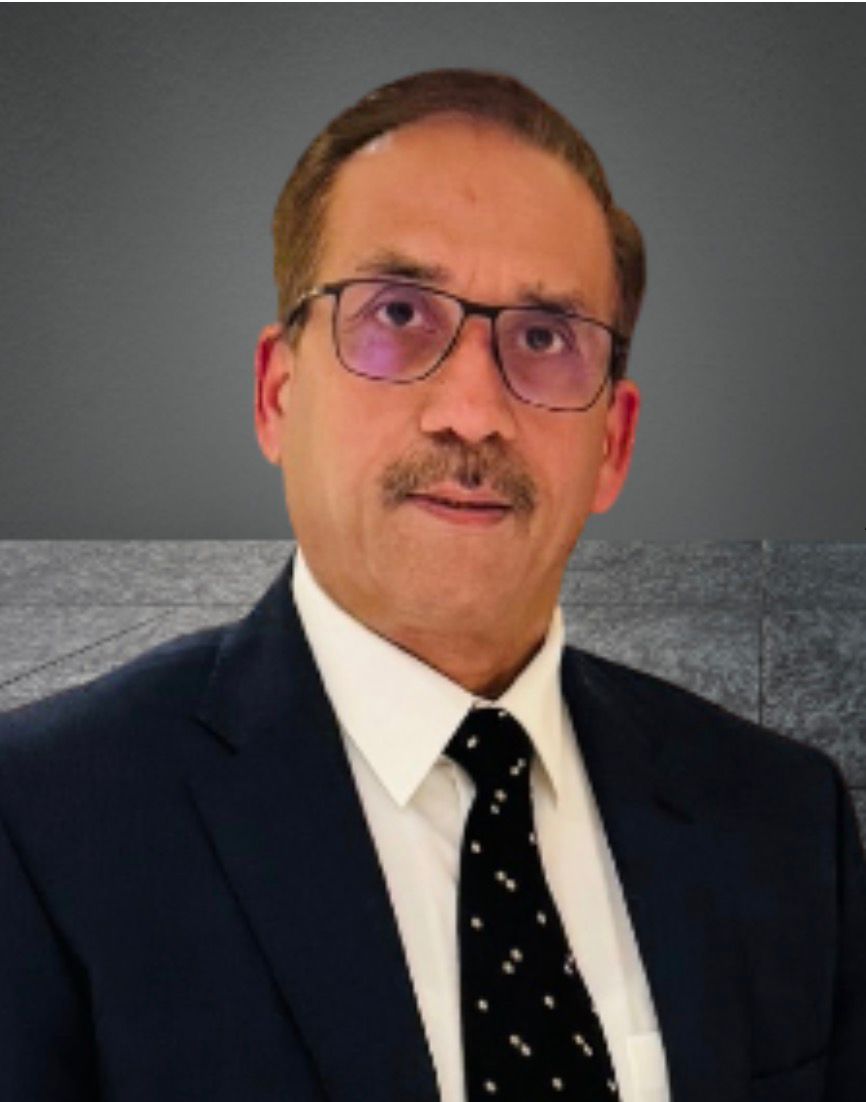
By Muhammad Anwar
The atmosphere in Islamabad has shifted from cautious optimism to a high-voltage state of expectation. Following the groundwork laid in the first round of peace talks, diplomatic whispers in the capital have grown louder, suggesting that preparations for a second round are already underway. President Donald Trump has recently signaled as much, indicating that the gears of high-stakes diplomacy are turning with renewed vigor. It appears that diplomats from both sides are actively engaged behind the scenes, meticulously shaping the contours of a possible breakthrough. At the same time, Pakistan’s leadership, most notably Prime Minister Shehbaz Sharif, Field Marshal Asim Munir, and Foreign Minister Ishaq Dar, is playing an intensive and proactive role. By engaging with international counterparts to build a broader consensus, they have positioned Pakistan not just as a host but as a vital stakeholder in global stability.
While formal confirmation is still pending, the growing coordination at multiple levels suggests we are approaching a decisive phase. The world is now watching for what was once considered impossible: a historic face-to-face meeting between President Donald Trump and Iranian President Masoud Pezeshkian on Pakistani soil. It is increasingly plausible that much of the groundwork for such a summit will be completed in advance. Diplomats from Washington and Tehran, facilitated by Pakistan’s leadership, appear to be refining the key terms and conditions behind closed doors. If this trajectory continues, the stage may be fully set before the principals even arrive. In such a scenario, both heads of state could land in Islamabad for a brief but decisive engagement, a “summit of finality.”
This reflects a sophisticated model of diplomacy where technical consensus precedes political endorsement. By the time Trump and Pezeshkian sit across from one another, the heavy lifting regarding sanctions, nuclear protocols, and regional security frameworks may already be drafted. This allows the leaders to step in at the critical moment to finalize and sign what has been carefully negotiated, transforming a potential flashpoint into a choreographed triumph of statesmanship. Looking out toward the Margalla Hills, one cannot ignore the weight of this moment. Islamabad has long been associated with quiet, bureaucratic administration, yet today it stands at the epicenter of global geopolitics.

This transition in the “Islamabad Process” appears deliberate. President Trump, known for his preference for direct, disruptive engagement, seems ready to move beyond technicalities and pursue a personal breakthrough. There is a growing sense that he seeks to claim ownership of a “Grand Deal,” positioning himself as the architect of a new chapter in Middle Eastern history. By stepping forward in Islamabad, he signals that the time for intermediaries is over and that the “art of the deal” requires his personal touch. For President Masoud Pezeshkian, the opportunity carries both immense promise and significant political risk. Meeting an American president on neutral ground in Islamabad would represent a bold act of pragmatism for the Islamic Republic. It offers a rare, high-speed pathway to address Iran’s economic isolation by bypassing years of stalled or back-channel diplomatic maneuvers.
If both leaders choose Islamabad, it reflects a shared recognition of Pakistan as a trusted, neutral space. For Pezeshkian, success at such a summit is directly tied to the survival of the Iranian economy. Relieving the burden of decades of sanctions is a prize that may outweigh the domestic hardline criticism of engaging with Washington. In Islamabad, Pezeshkian finds a venue where he can negotiate without appearing to “surrender,” shielded by the hospitality of a mutual neighbor. Pakistan’s role in this unfolding scenario is both significant and evolving. The country has moved beyond mere facilitation to become the stage for a potentially transformative global moment. Through consistent neutrality and steady diplomacy, Pakistan’s civil-military leadership has created an environment where even the fiercest adversaries feel confident engaging in dialogue.
This represents a seismic shift in Pakistan’s international image. Increasingly, the country is viewed as a credible, responsible, and indispensable actor in global peacebuilding. Professionals and policymakers in New York, London, and Beijing are beginning to recognize Pakistan as a bridge capable of connecting divided worlds. The journey to this point has been fraught; over recent months, regional tensions threatened to boil over into open conflict. While many nations adopted a defensive or partisan stance, Pakistan chose a path of “active restraint.” By discouraging escalation and maintaining open lines of communication with all stakeholders, the country demonstrated a commitment to peace that resonates far beyond its borders.
The presence of global interest in Islamabad underscores this recognition. International appreciation of Pakistan’s role contributes to the country’s “soft power,” rewriting a narrative once dominated by internal challenges. Today, when global observers discuss Pakistan, they reference its constructive diplomatic weight, a nation that can bring the “Great Negotiator” and the “Reformist President” to the same table. At the same time, this moment calls for deep introspection within Pakistan. In an era dominated by social media volatility, domestic public discourse often becomes unnecessarily critical or reactionary. Such tendencies risk undermining the very strategic relationships that have enabled Pakistan’s current diplomatic success.
Decades-long partnerships demand stewardship and a mature domestic audience that values mutual respect. To ensure the success of the “Islamabad Process,” Pakistan must mirror its diplomatic achievements with internal modernization, streamlining governance and infrastructure to attract investment and cement the credibility gained from the Trump-Pezeshkian summit.
This moment signals a national transformation, showcasing Pakistan as a confident contributor to global stability. With the global economy vulnerable to Middle Eastern conflict, the potential “Grand Deal” in Islamabad offers a critical window to stabilize fuel prices and supply chains.
A successful outcome would prove that determined leadership and credible mediation can overcome deep-seated divisions. As history unfolds on the Potohar plateau, Pakistan has already reshaped its destiny by providing the essential bridge for this historic dialogue, serving both its own interests and the cause of global peace.
Pakistan Zindabad. Peace Zindabad.
Muhammad Anwar is a development professional and CEO of Freedom Gate Prosperity with over three decades of experience in governance and civic engagement. He is a regular writer on public policy and social issues, and a social entrepreneur committed to peace, democratic values, and sustainable development in Pakistan.


Leave a Reply