

Times Report
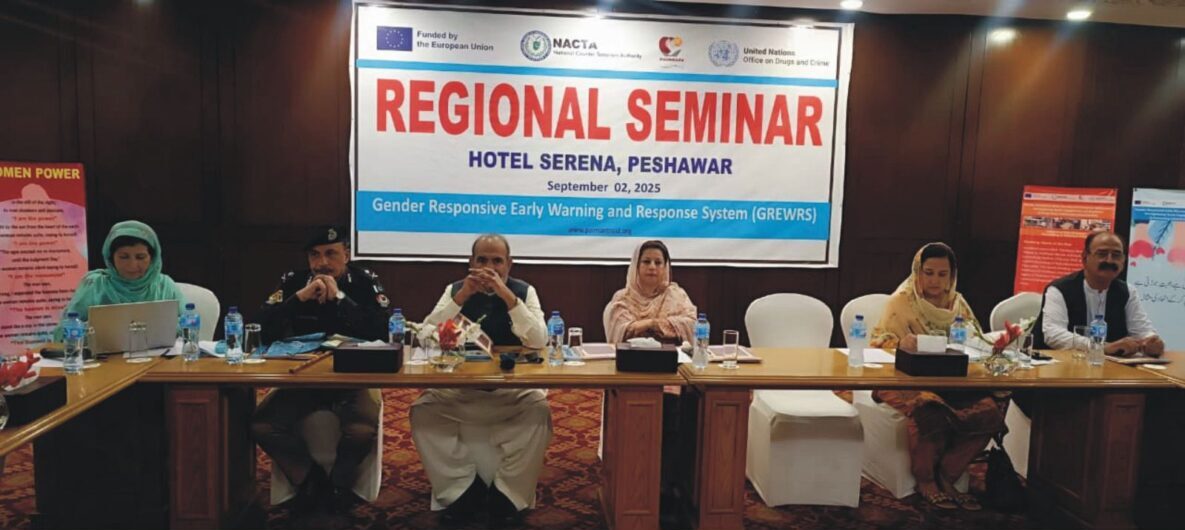
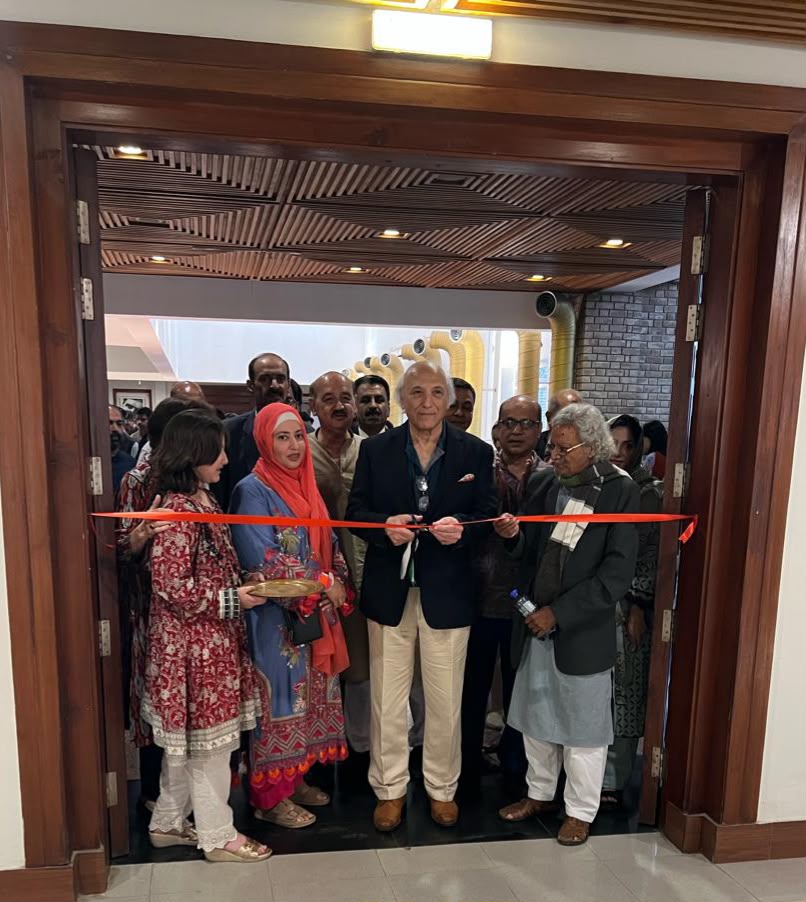
PESHAWAR: A high-level regional seminar convened by PAIMAN Alumni Trust brought together members of the Khyber Pakhtunkhwa Provincial Assembly, government representatives, academia, religious scholars, civil society organizations, youth, and women leaders to discuss the importance of Gender-Responsive Early Warning and Response Systems (GREWRS) as a cornerstone of preventing violent extremism (PVE) in Pakistan.
Following the recitation of the Holy Quran, PAIMAN’s Chairperson, Shafqat Mehmood, highlighted the organization’s pioneering Gender-Responsive Early Warning and Response System (GREWER), piloted in Charsadda, Mohmand, and Khyber districts. He emphasized that in regions vulnerable to violent extremism, a community-based GREWER is essential for timely prevention. By empowering local communities as first responders, supported through referral mechanisms and multi-level coordination, the system ensures risks are identified early and addressed effectively. He also introduced “Shrang,” a community mobile application used by PAIMAN’s first responders in the three districts, adding that GREWER is equally relevant for developing early response mechanisms to natural disasters such as floods.
A distinguished panel of speakers contributed diverse perspectives.
• Additional IG police khyber pakhtunkhwa Muhammad Ali Babakhel noted that early warning and response mechanisms are not yet part of police training curricula and committed to ensuring the dissemination of PAIMAN’s guidelines on Gender-Responsive Early Warning and Response Systems within security agencies. He stressed that if even 20 percent of the resources currently spent on counter-terrorism were redirected to early warning systems, Pakistan’s resilience could be transformed.
• Dr. Qibla Ayaz shared a historical example from Islamic tradition, recalling that during the Prophet’s time, Hazrat Barabr was tasked with observing ground realities and reporting to the Prophet, thus establishing the religious significance of early warning systems in Islam.
• Fazal Elahi, Member of the Provincial Assembly, underscored the need for strong collaboration between communities and government for an effective GREWER.
• Kashif khan From khyber pakhtunkhwa center of excellence on countering violant extremism ( KPCVE) shared findings from a study by his institution, the KP Centre for CVE, which demonstrated that community development significantly reduces the risk of violent extremism.
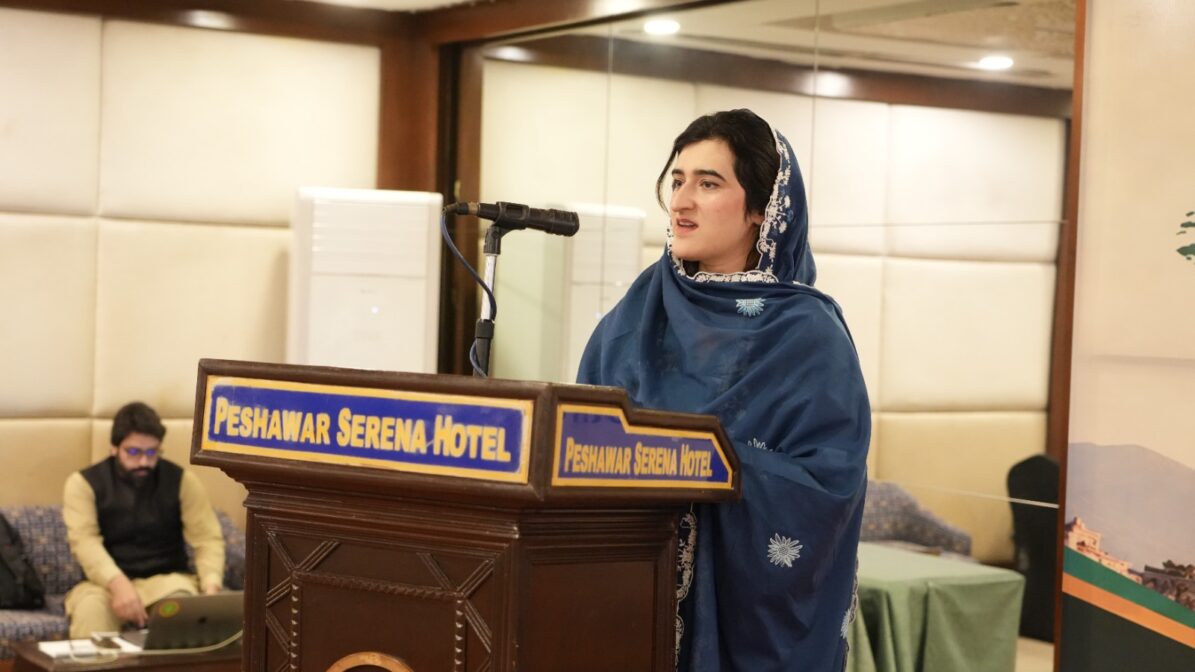
• Mrs. Bushra Hyder reflected on her school’s experience of implementing peace education since 2011, emphasizing that it is the most sustainable way to prevent violent extremism, as it shifts education from merely producing graduates to cultivating responsible and empathetic citizens.
Concluding the session, Mossarat Qadeem reiterated the importance of collective effort: “Civil society brings credibility and trust at the grassroots, while government agencies provide the mandate and policy framework. Only by combining these strengths can we build an effective, sustainable system that prevents violent extremism before it takes root.”
PAIMAN’s TOLANA members also showcased best practices from the field. Social Action Plans implemented by male and female TOLANA members were displayed across the hall, demonstrating how communities, when equipped with the right knowledge and skills, can effectively prevent violent extremism and foster resilience. The presentations highlighted PAIMAN’s TOLANA network as a model of community ownership in peacebuilding, one that can be scaled up and institutionalized within local and provincial frameworks.
In her closing remarks, Mossarat Qadeem, Executive Director of PAIMAN Trust, called for stronger collaboration between government institutions, civil society, and local communities to institutionalize gender-responsive early warning and response systems. She stressed the importance of strengthening referral pathways that connect community alerts to law enforcement, social protection, and counseling services. She closed the seminar with a powerful call to action: “Let us leave here with a renewed resolve to work collectively, inclusively, and with urgency so that Pakistan stands as a society resilient to violent extremism and rooted in peace, tolerance, and shared humanity.”
Leave a Reply