


By: Daniyal Shams
Recently, the “Heads of Schools Education Conference” held at the auditorium of Bacha Khan Medical College, Mardan, raised many questions in my mind while also sparking some rays of hope. This conference, jointly organized by the Mardan Education Board and the Department of Education for the heads of schools from Mardan, Swabi, and Nowshera, was undoubtedly a positive step.
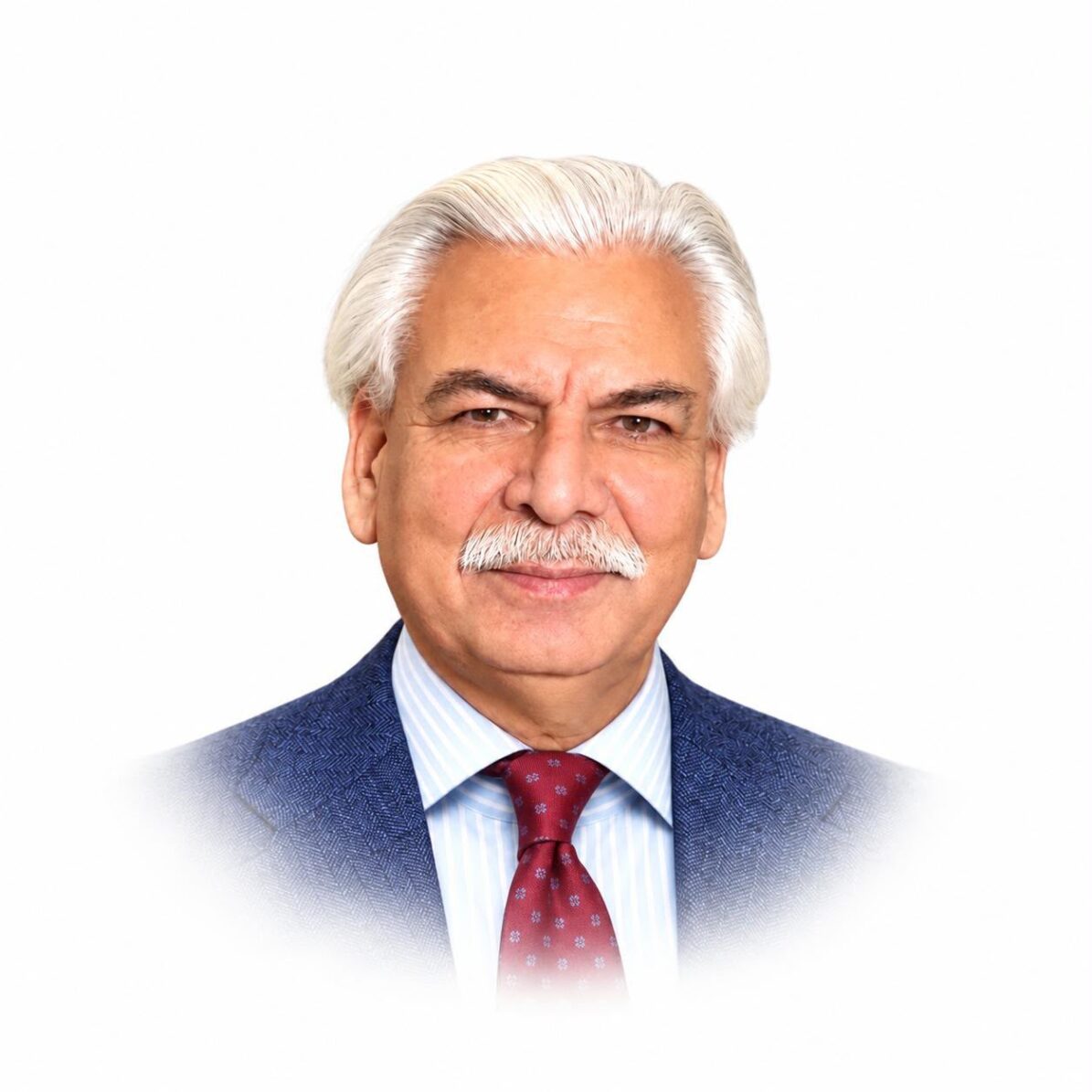
The highlight of the event was the active participation of Secretary Elementary & Secondary Education, Muhammad Khalid Khan, who attentively listened to the lengthy speeches, suggestions, and criticism put forth by principals Tariq Jamal and Madam Lubna, representing school heads. He even noted down the proposals given by two students during their speeches and later referenced them in his address. Provincial Minister for Elementary & Secondary Education Faisal Khan Tarakai, who was the chief guest of the conference, presented the reforms being carried out in the education sector before teachers, principals, and board officials. His points — training, accountability, school improvement plans, non-formal education, education cards, teacher recruitment, and incentives — all sounded convincing. However, our educational crisis is not as simple as we try to wrap in slogans.
The minister himself admitted that “there is room for improvement in the system.” The truth is, it’s not just “room” — there is a pressing *need* for immediate and effective reforms that must not remain confined to statements.
—
Chairman Mardan Education Board’s Address
Before commenting on Professor Jehanzeb Khan’s speech, the Chairman of Mardan Board, it would be unfair not to mention the excellent arrangements made by the board for the conference. Choosing the fully air-conditioned auditorium of Bacha Khan Medical College in the scorching heat was a wise decision. Otherwise, just weeks earlier, the announcement of matriculation results at the board’s own hall left the guests, including the Commissioner of Mardan, drenched in sweat.
Engineer Kamran Taj and his team from Mardan Board worked tirelessly for the conference’s arrangements. In his speech, the Chairman clarified that teachers’ claim — that examinations are solely the board’s responsibility — is incorrect. He stressed that from paper-setting to exam monitoring and marking, the process is conducted under teachers’ supervision, so they cannot absolve themselves of responsibility. He also elaborated on reforms in various areas, including paper-setting, exam duties, and marking. During this, he faced sharp questions from some principals but responded with patience.
—
Where Do the Problems Lie?
The root of our educational issues lies not only in a lack of resources but also in poor intent, weak monitoring, and a disconnect from bottom to top. Unless the gap between policymakers and classrooms is bridged, change will remain confined to files, conferences, and speeches.
Billions are spent on teacher training programs, but are their effects visible in classrooms? Have teachers’ attitudes changed? Has students’ understanding improved? Until training is coupled with effective monitoring and result-based accountability, change will remain a dream.
—
Merit, Accountability, and Encouragement – But How?
The Education Minister rightly said that performance will now be the only standard. But the real question is: Do transparent and unbiased criteria exist for measuring performance? How is a teacher’s or principal’s performance assessed? And those who perform well — are they truly given recognition and advancement in the system?
Often, the lack of transparency in reward and punishment, nepotism, and political interference leave teachers frustrated. If the government is serious, it must take tough decisions — no matter who they affect.
—
Rays of Hope
To be fair, it must be acknowledged that under the current leadership of the Education Department, some positive steps have been taken, such as:
* Introduction of SLO-based (Student Learning Outcomes) papers in the exam system.
* CCTV monitoring for transparency in board examinations.
* Establishment of a non-formal education system for out-of-school children.
* Creation of Centers of Excellence in schools.
If these measures are pursued with sincerity, Khyber Pakhtunkhwa’s education system could become exemplary.
—
Education is Not a Slogan, It is a Responsibility
We must realize that education is not just a political slogan; it is a matter of national survival. School heads should not merely be targeted for transfers or performance reports; they must also be empowered with decision-making authority, resources, and proper training.
Teachers must not only be respected in speeches but given *practical dignity* — trust, support, and solutions to their genuine problems. Only then can we expect better results in the field of education.
—
“Turning Challenges into Change”
The Mardan conference could be a good beginning — but only if it does not remain “just another event.” The real work starts now. If we truly want our education system to guarantee a bright future for our children, we need not slogans, but intent, action, and consistency.




Leave a Reply