

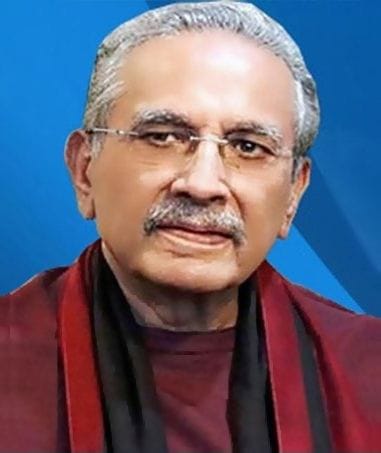
Alliances shift, policy overhaul needed
Staff Report
ISLAMABAD: Business leader Shahid Rasheed Butt has urgently called upon the government to overhaul Pakistan’s trade policy. He has warned that the rising global political uncertainty, the emergence of new defence and economic blocs, and growing US pressure on both India and Afghanistan could disrupt regional trade dynamics.
New developments could weaken Pakistan’s competitiveness if not addressed promptly. Butt, a former president of the Islamabad Chamber, said Pakistan cannot afford to persist with outdated frameworks at a time when global economic and geopolitical realities are shifting rapidly. He argued that the country’s trade regime must be aligned with new circumstances. This alignment, he believes, will enable Pakistan to not just maintain but also expand its foothold in regional and international markets, instilling a sense of optimism in the audience.
Speaking to the business community, he cautioned that Pakistan’s challenges cannot be solved through routine tariff adjustments alone. “These are structural issues tied to a changing world order,” he said. These structural issues include the need for diversification of export markets, the development of high-value-added products, and the improvement of trade infrastructure. He pointed to exporters’ frustration that potential growth corridors remain underutilised. He added that declining investment in sectors such as textiles, pharmaceuticals, and information technology reflects the costs of unpredictable tariffs and weak export incentives.
Shahid Rasheed Butt said excessive reliance on imports has directly translated into inflation, with rising food, fuel, and manufactured goods prices. For the broader economy, import restrictions, higher energy tariffs, and frequent tax hikes, often linked to IMF conditions, may offer short-term relief but have made long-term development nearly impossible.
The call for a trade policy overhaul comes as regional players recalibrate their strategies. India, traditionally the region’s dominant economy, now faces US curbs on technology transfers, preferential tariffs, and even visa access, strains that could affect its $40 billion annual remittances from the US. At the same time, Gulf states are forging new economic and defence alliances, while China is deepening its Belt and Road investments. This underscores Pakistan’s urgent need for stable and diversified trade partnerships.
Independent economists echoed the concern, warning that ad hoc steps, such as sudden changes in tariffs or trade agreements, undermine investor confidence. They argue Pakistan must move beyond fire-fighting measures by setting clear export targets, broadening its product base, and negotiating trade facilitation agreements with both traditional and non-traditional partners.
The stakes are not just about trade policy documents, Butt stressed. “They are about growth, jobs, and price stability, matters central to Pakistan’s economic survival.
Policy circles expect the debate to intensify in the coming months, particularly with the next IMF review and regional blocs strengthening their cooperation. The government’s next step, experts say, must be to formally commission a comprehensive review of the trade framework, establish measurable export goals, and address structural gaps before Pakistan loses more ground in an increasingly competitive global market.




Leave a Reply