

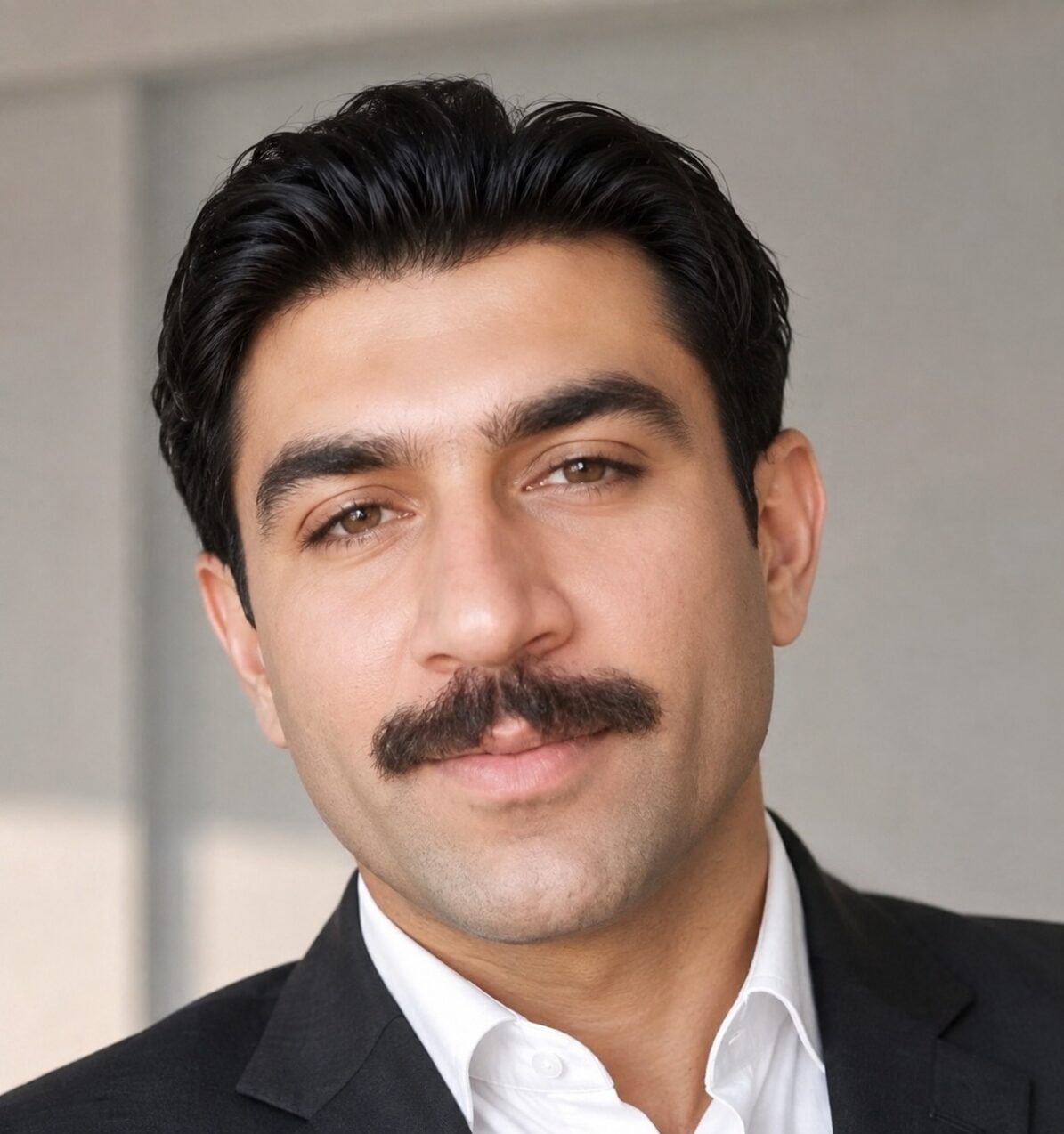
By Shafqat Ali Khan
Fourteen newborn babies. The most fragile, the most innocent, the most deserving of protection. Dead. Not because of a natural disaster. Not because of an unavoidable tragedy. But because a system meant to safeguard them failed, catastrophically, unforgivably, and predictably. On the morning of August 26, 2026, a fire broke out in the nursery on the third floor of the Mother and Child Health Ward at the Pakistan Institute of Medical Sciences (PIMS), Islamabad’s largest public hospital. Fifteen babies were inside, some in incubators, others hooked to oxygen equipment. The fire spread within seconds. Oxygen points alongside incubators turned the nursery into an inferno. Only one newborn survived. The rest burned to death. Some were only three hours old. This was not an “accident” as some officials have cynically called it. This was gross negligence, systemic collapse, and an unforgivable betrayal of duty. Let us speak plainly about Occupational Health and Safety (OHS) because what happened at PIMS is a textbook case of OHS violation at every level. Standard hospital fire safety protocols, the bare minimum that any healthcare facility should follow were non-existent at PIMS. The hospital lacked a fire safety No Objection Certificate (NOC) altogether. The Capital Development Authority (CDA) had reportedly twice written to the health regulator warning against certifying hospitals without fire safety measures. The regulator never responded. No smoke detectors, no CCTV cameras, no effective fire alarm system. Fire extinguishers, where they existed, were expired or improperly installed. No automatic sprinkler systems. No fire-rated doors along emergency exit routes. No fire control room. No regular fire drills or staff training for emergencies.
This is not merely a failure of equipment. This is a failure of OHS governance. Under any functional occupational health and safety framework, whether Pakistan’s own Occupational Health and Safety Act 2018 or international standards, hospitals are required to conduct regular fire safety audits, train all staff in emergency response, assign specific emergency roles to designated personnel and conduct regular emergency drills. None of this existed at PIMS. In a properly functioning hospital with adequate emergency preparedness, the response to a fire in a neonatal unit follows clear Standard Operating Procedures (SOPs). Emergency exit maps are prominently displayed. Fire wardens are nominated on every night shift in nurseries, NICUs, and ICUs. But at PIMS, none of this existed. When the fire broke out, chaos reigned. Staff made desperate attempts to enter the nursery but were beaten back by flames and a ceiling collapse. Rescue teams reportedly took almost two hours to arrive. Firefighters had to break through walls and metal grilles to reach the infants. A hospital responsible for the most vulnerable patients, newborns dependent on incubators and oxygen, had no equipment to evacuate them in an emergency.
While PIMS, the largest public hospital in the twin cities, lacked basic fire extinguishers and smoke detectors, billions have been spent on underpasses, flyovers, and Metro bus projects that serve as political showpieces rather than necessities. The contrast could not be starker: Underpasses for cars, but no fire alarms for babies. Flyovers for commuters, but no evacuation sleds for newborns. Metro buses for voters, but no oxygen shut-off protocols for the most vulnerable patients.
As a human right activist, I refuse to stay silent. This tragedy must be a turning point. I demand, immediate due diligence of all major hospitals. Every public and private hospital in Pakistan must undergo a comprehensive fire safety audit within 30 days. Not a paper exercise, a real, independent, third-party inspection.
Hospitals must comply with the Occupational Health and Safety Act 2018 and the Building Code of Pakistan and Fire Safety Provisions 2016. Fire safety must be treated as a non-negotiable licensing requirement, not an afterthought. Every child deserves safety. Every parent deserves a system they can trust. And every citizen deserves to know that when they enter a hospital, they are entering a place of healing, not a death trap. The underpasses can wait. The Metro can wait. The flyovers can wait. Our babies cannot.
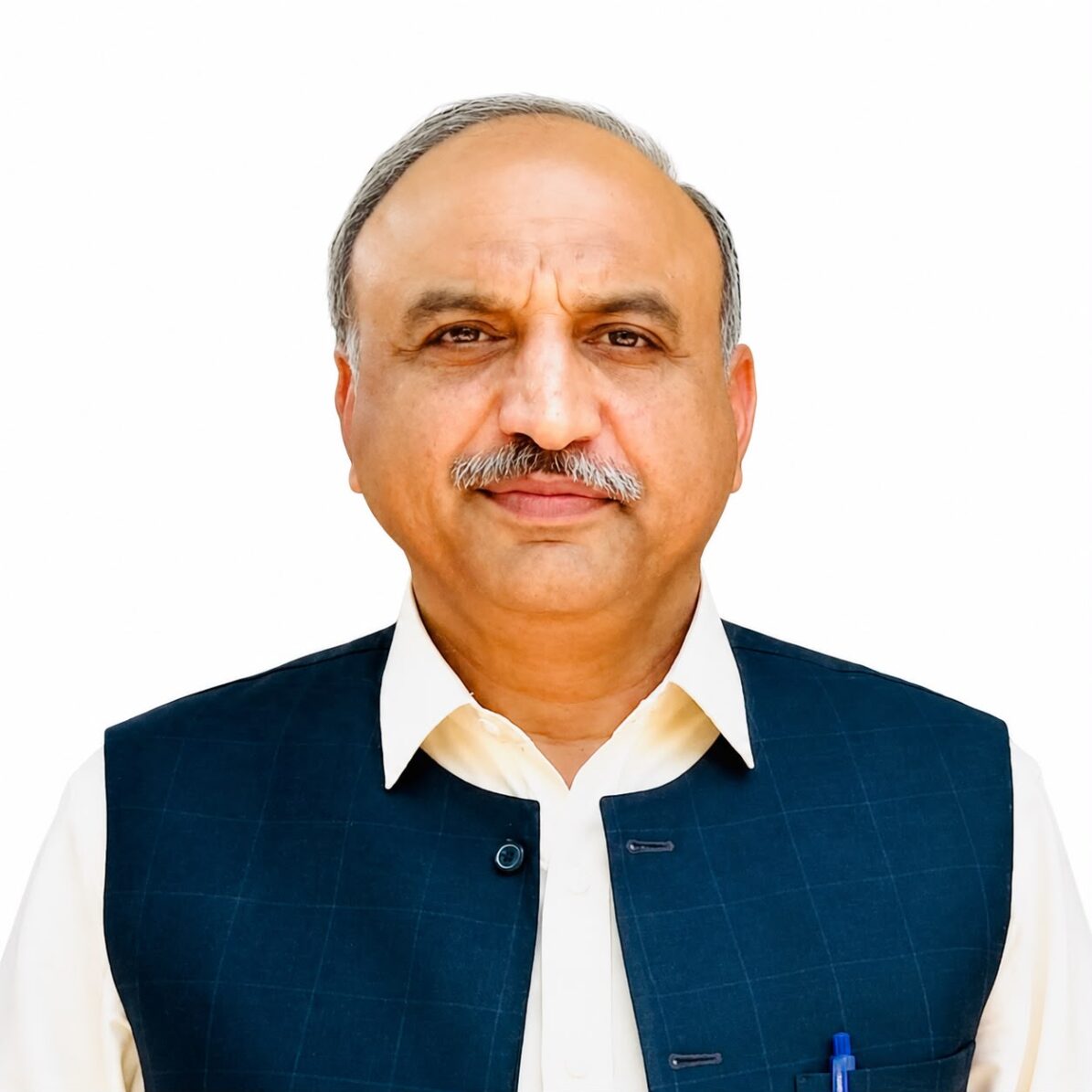
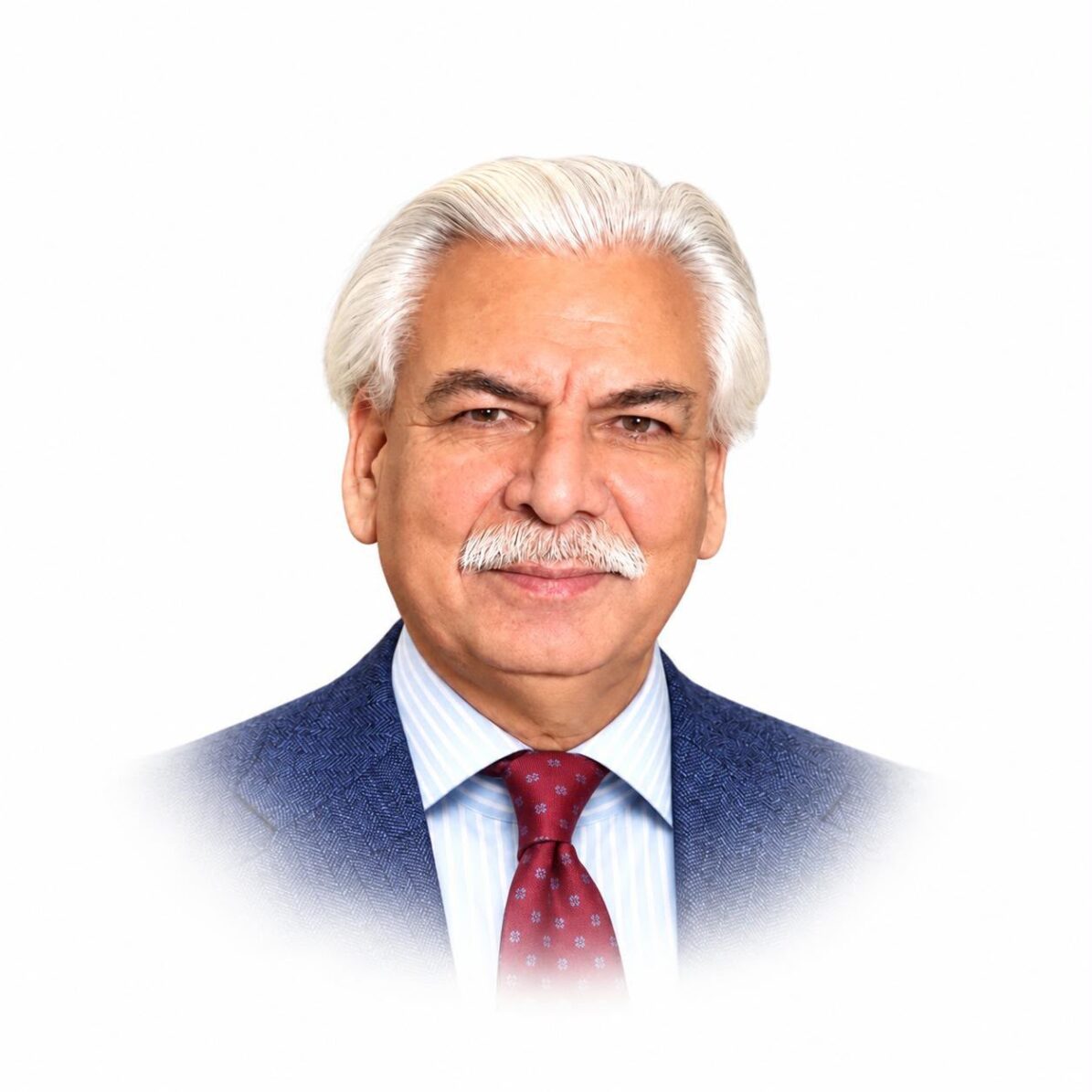
Shafqat Ali Khan | Social Development Specialist –
Khyber Pakhtunkhwa Integrated Tourism Development Project (KITE)
Department of Tourism, Govt. of Khyber Pakhtunkhwa




Leave a Reply