

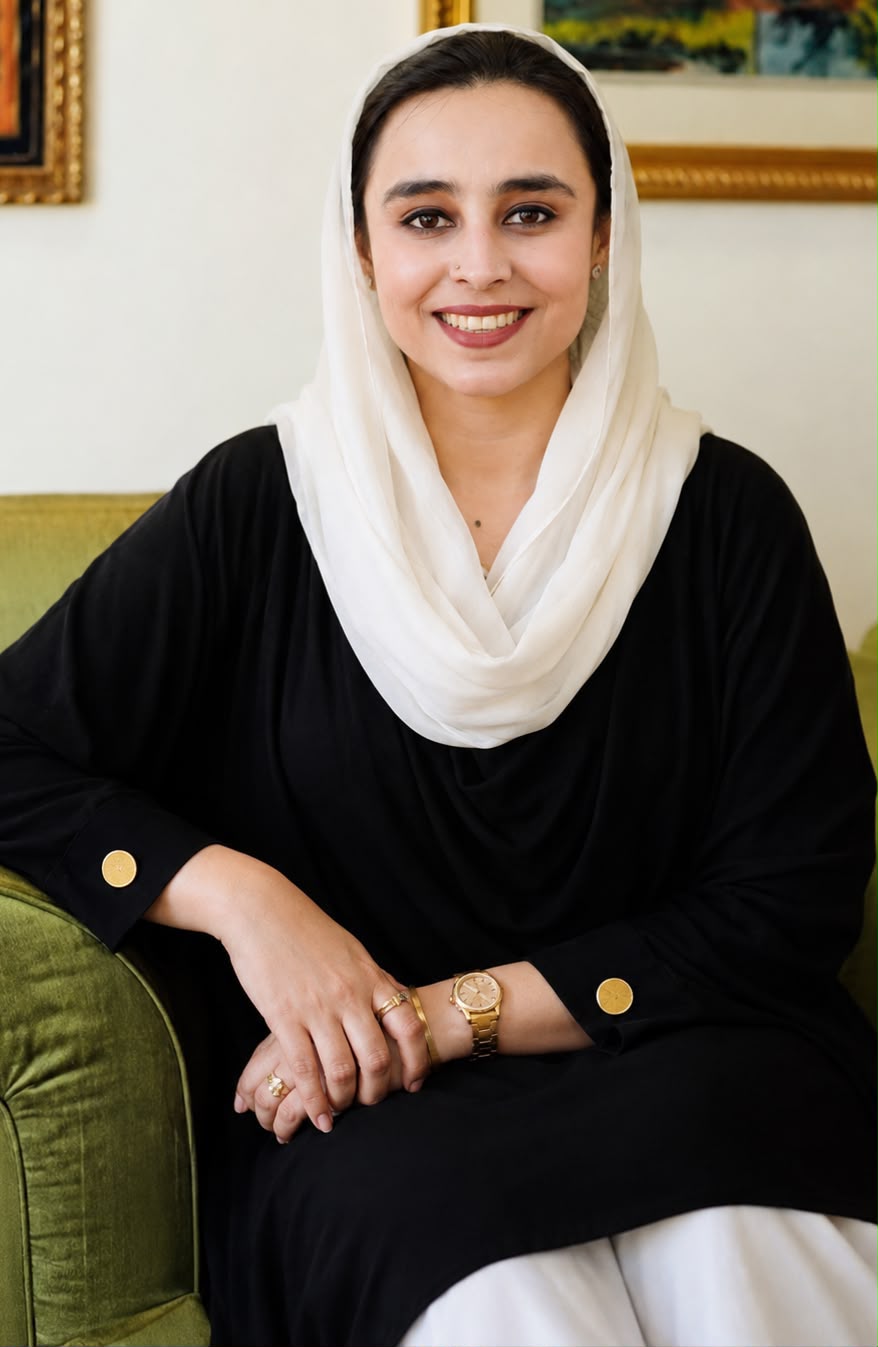
By :-Farishta Noor
Routine immunisation is one of the most effective and important life-
saving public health interventions in the world. It not only protects the
communities but also the nation and families are saved. Immunisation
protects nations form widespread illness,disabilities and deaths.
Despite many proven benefits nations like Pakistan, Afghanistan, India and many other African and Asian countries still face challenges in achieving goal of full immunisation coverage.
Strengthening routine immunisation systems is essential for
safeguarding public health and ensuring a healthier future for all.
Immunisation is the process of vaccinating children, adults at scheduled intervals to protect them against infectious diseases such as measles, polio, tuberculosis, diphtheria, and hepatitis, rorubella. These vaccines work by stimulating the body’s immune system to recognise and fight pathogens, preventing illness before it occurs.
Unlike curative healthcare, immunisation serves as a preventive measure that
decreases both the human and economic impacts of disease.
One of the foremost benefits of routine immunization is reducing child mortality. According to the survey of global health millions of deaths
are prevented every year due to vaccination.
In underdeveloped countries very heath facilities are limited, and vaccination plays a vital role against life-threatening diseases. In the current Ara routine, immunisation has drastically reduced cases like measles and polio in the world wide. In countries like Pakistan, immunisation campaigns, & awareness by the local NGOs, outreach programs by the government have brought the country closer to the elimination of polio but continue effort are still needed. Routine immunisation also
reduces health care costs. Preventing diseases through vaccination is far more cost-effective than treating them. Hospitalisation,
medication, and long-term care for preventable diseases can place a significant financial burden on families and national healthcare systems.
By investing in immunisation programs, governments can allocate resources more efficiently and strengthen overall health systems.
Because of routine immunisation nation a prosperous and
development. Healthy children miss fewer days of school, perform better cognitively, and grow into more productive adults. On a larger scale, a healthier population contributes to economic growth and stability. Immunisation, therefore, is not just a health intervention but also a development strategy.
In the underdeveloped countries immunization in is quite challenging.
In many rural parts of Pakistan, the community still lacks awareness regarding the immunization. They have a negative perception regarding the vaccination. So they refused to vaccinate their newborns and children. And in far-flung rural areas of Pakistan there is limited access to health facilities. And many of them due to myths &
misinformation refuse the vaccine. In densely populated areas where infectious diseases can spread rapidly. In Pakistan, initiatives such as the Expanded Programme on Immunisation (EPI) have made
significant progress in increasing vaccine coverage. Lady Health Workers (LHWs) play a crucial role in reaching remote and
underserved populations, educating families, & ensuring children receive timely vaccinations. However, gaps still exist, particularly in rural and conflict-affected areas, where immunisation rates remain low.To improve routine immunisation, it is essential to invest in health systems, train healthcare workers, and ensure a reliable supply
of vaccines. Public awareness campaigns must be strengthened to counter misinformation and build trust within communities. Engaging
local leaders, teachers, and social activists can also help promote the importance of vaccination and encourage community participation.
Routine immunisation is a cornerstone of public health that saves lives, reduces disease burden, and promotes social and economic development. routine immunization is essential for child survival, community health, economic stability, and global security. It
transforms potential tragedy into preventable history, allowing generations to thrive free from diseases that once claimed millions. By maintaining high coverage and addressing barriers, we honor one of the most powerful tools in modern medicine.






Leave a Reply