

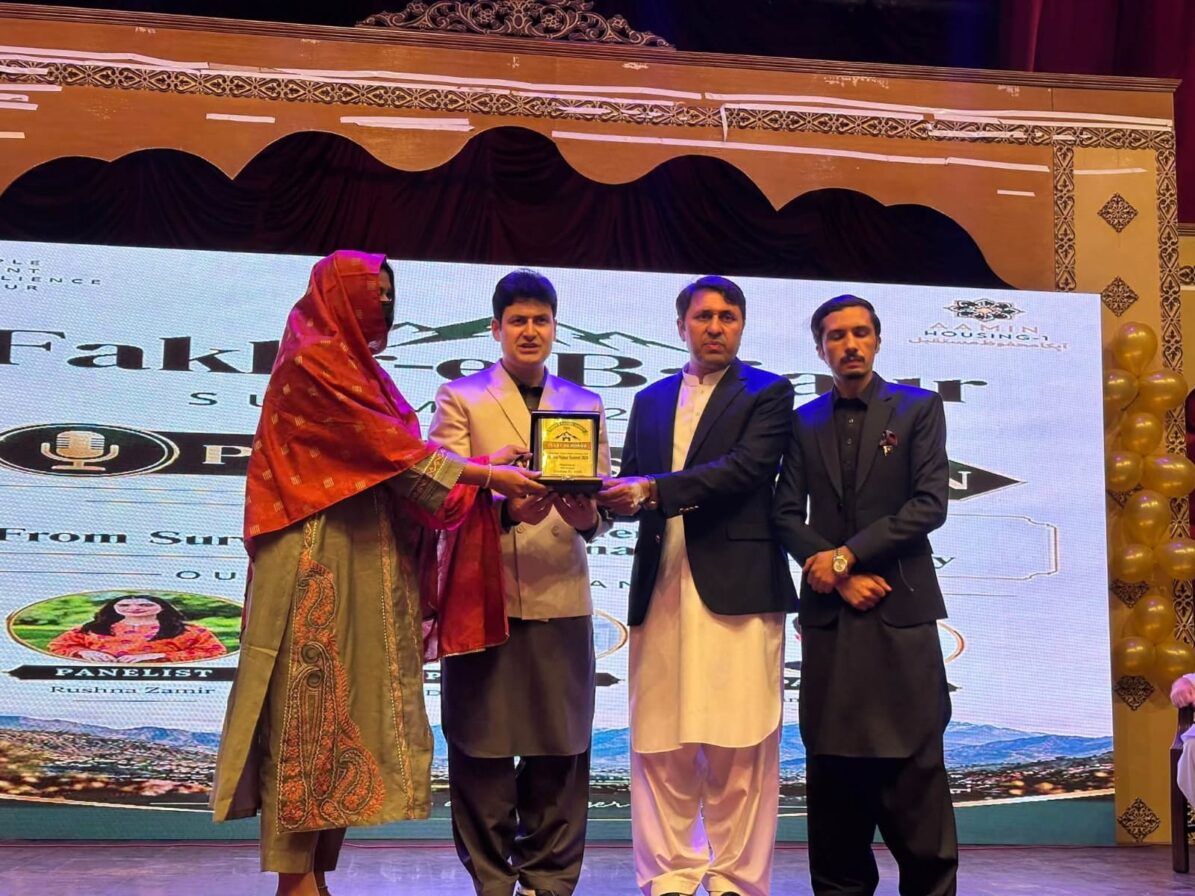
The event at Nishtar Hall, Peshawar, celebrated Bajaur’s contributions to journalism, literature, politics and social development, while criticism over the selection of award recipients sparked an important debate.
Anwar Zada Gulyar
The progress and positive transformation of any society depend largely on individuals who contribute through their abilities, hard work, dedication and commitment. Recognising their contributions not only encourages them to continue their efforts but also inspires younger generations to pursue excellence and play a constructive role in society.
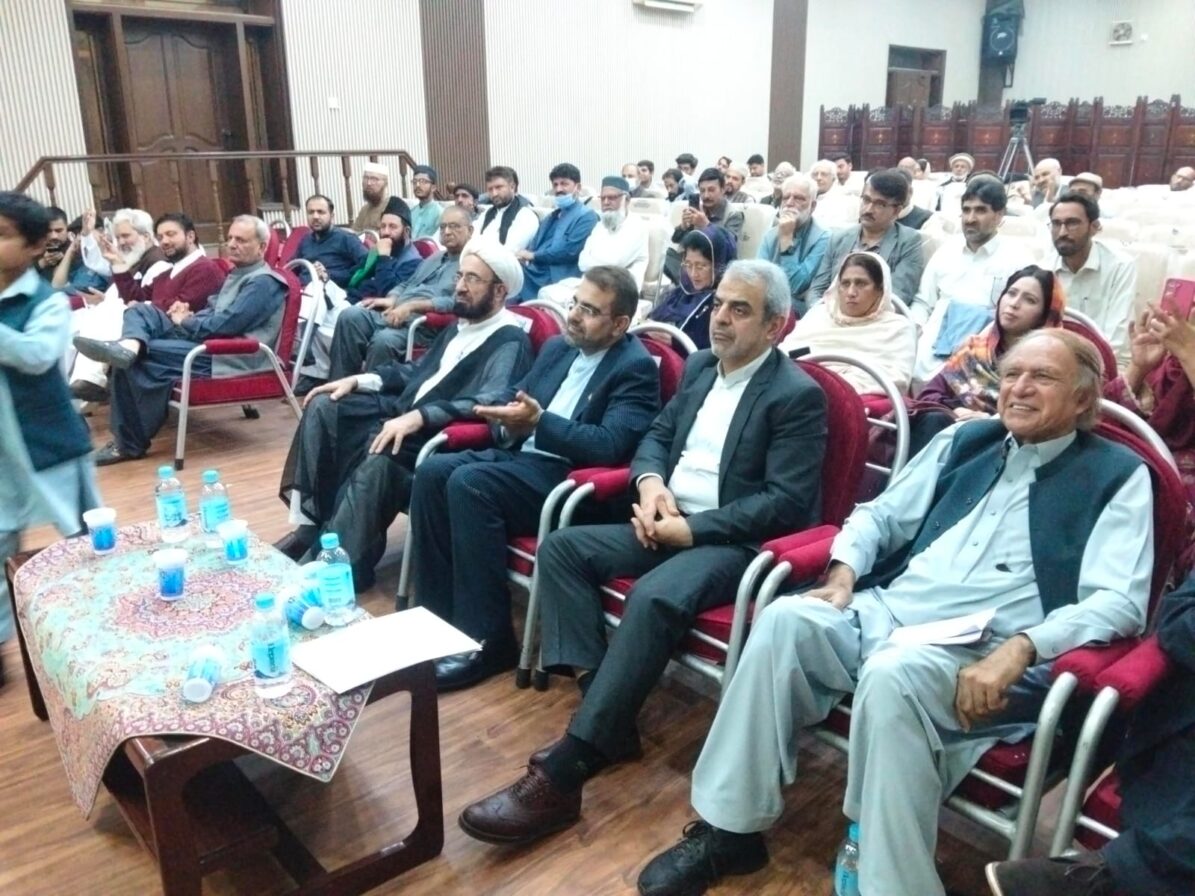
With this spirit, the Fakhr-e-Bajaur Awards Summit 2026, held on November 6 at the historic Nishtar Hall in Peshawar, emerged as a noteworthy initiative aimed at recognising the achievements of individuals from Bajaur.
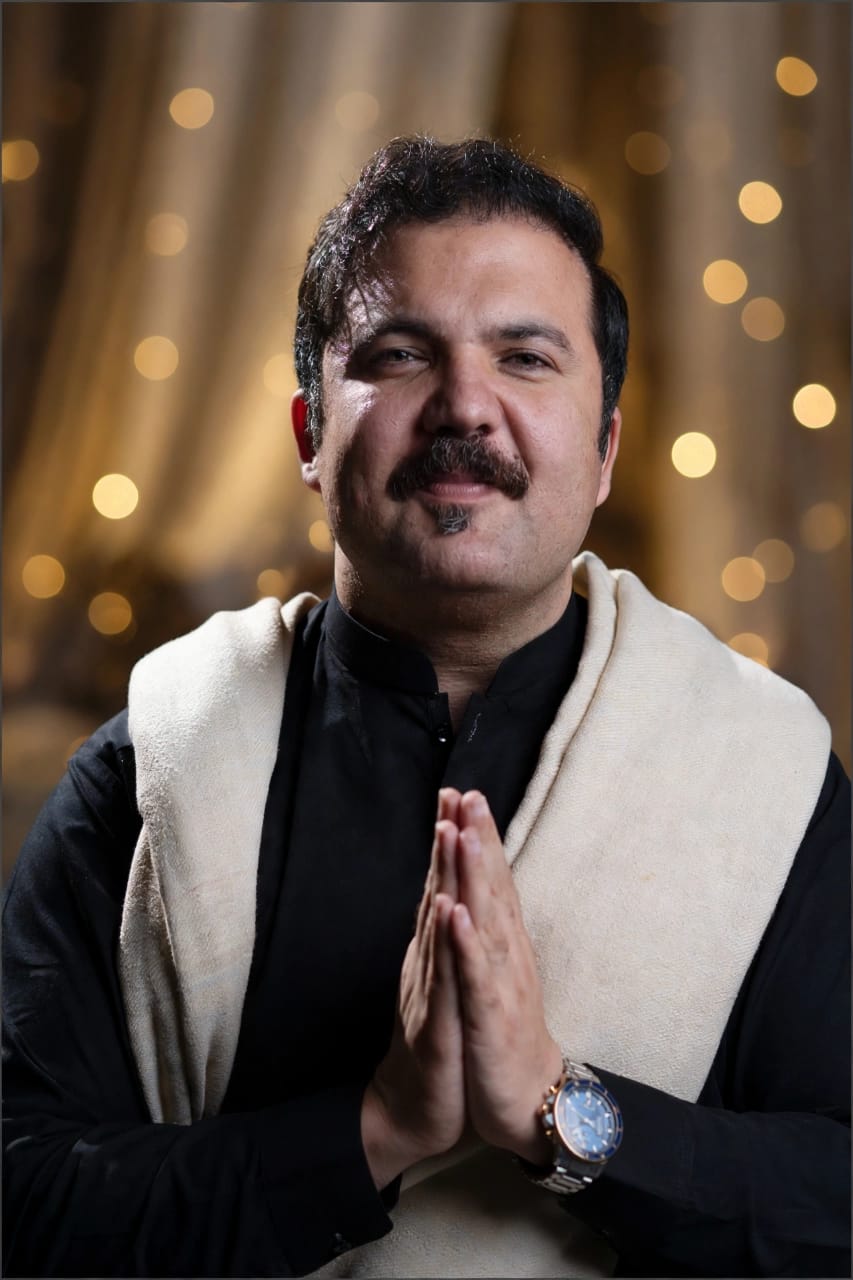
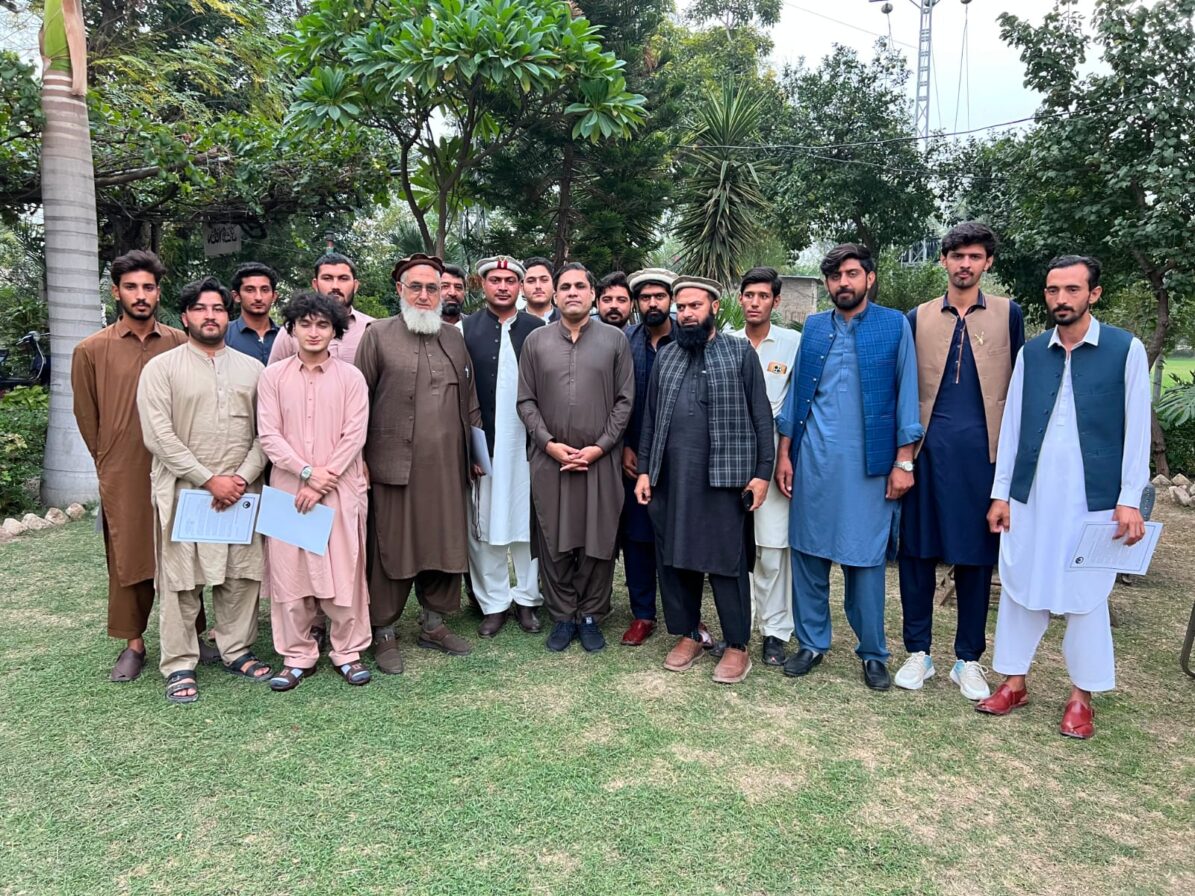
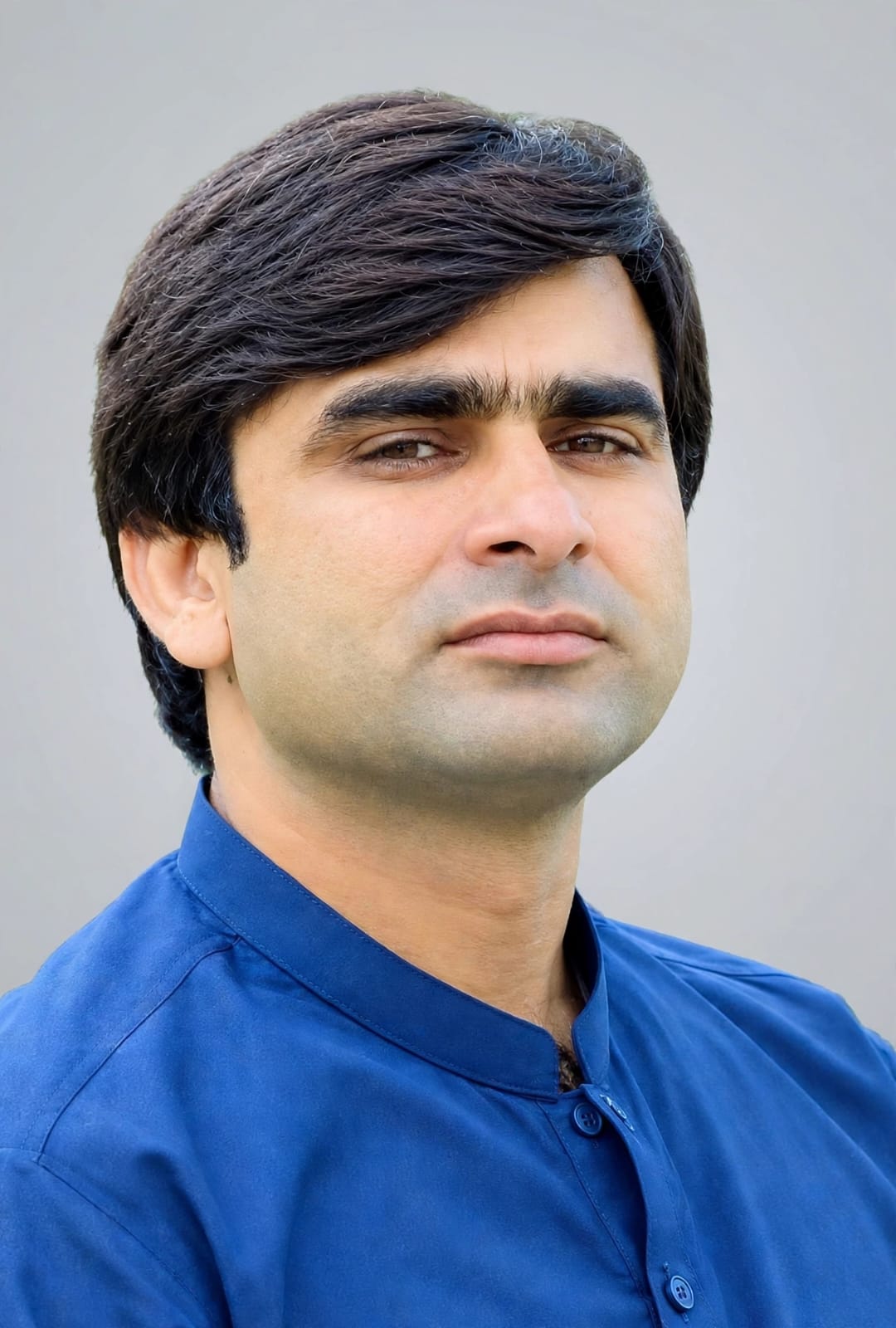
The event was organised by young activist Zeeshan Ali Shah, founder of the Fakhr-e-Bajaur Awards. Journalists, poets, writers, politicians, martyrs and individuals who had demonstrated outstanding performance in various fields were honoured with the Fakhr-e-Bajaur Awards in recognition of their services and contributions.


More than just an award ceremony, the event conveyed a broader social message: Bajaur has immense talent and potential, and what its people need is recognition, encouragement and opportunities to demonstrate their abilities. At a time when people often tend to criticise others rather than acknowledge their achievements, initiatives of this nature carry considerable social significance.
However, the event also attracted criticism from certain quarters, particularly on social media. Critics questioned the selection criteria, arguing that several deserving individuals had been overlooked and should also have been recognised for their contributions.
These concerns deserve consideration, as merit, transparency and fairness are essential elements of any award programme. Everyone has the right to question the selection process and offer constructive suggestions for improvement.
Nevertheless, an important question arises: Is it practically possible to honour every deserving journalist, writer, poet, politician, social activist, martyr and other distinguished individual from Bajaur at a single event?
Certainly not. Every ceremony has limitations in terms of time, resources, organisational capacity and other practical considerations. The inability to accommodate every deserving individual in one programme does not necessarily mean that their contributions have been ignored or undervalued.


In this regard, the organisers’ stated commitment to continue the Fakhr-e-Bajaur Awards annually is particularly significant. If implemented consistently, this initiative could provide opportunities to recognise many more deserving individuals in the coming years. What began as a single event could eventually develop into a meaningful annual tradition.
The real challenge, therefore, is to maintain a balance between criticism and encouragement. Any shortcomings in the selection process should certainly be identified and addressed. However, criticism should aim to improve the initiative rather than undermine the efforts of those who have invested their time, energy and resources in making it possible.
At the same time, the organisers should take constructive criticism seriously and introduce a transparent and clearly defined selection mechanism for future editions. Establishing a representative selection committee comprising individuals from different professional fields and introducing an appropriate nomination process could help ensure greater transparency, fairness and wider representation.
It is also a reality that many young people hesitate to initiate positive activities because they fear criticism and discouragement. In such an environment, when a young activist dedicates considerable time, effort and resources to organising an event in a major city like Peshawar under the name of his hometown, his initiative deserves recognition as well.
By establishing the Fakhr-e-Bajaur platform, Zeeshan Ali Shah made an effort to bring together individuals from different walks of life and highlight their contributions. His efforts can be appreciated while simultaneously offering practical suggestions to make future events more effective and inclusive.

Such initiatives are particularly important for Bajaur, a region whose social and economic development has been affected by decades of insecurity, financial difficulties, unemployment and other challenges. Activities promoting literature, journalism, social engagement and youth participation can help create an atmosphere of hope, confidence and collective responsibility.
The Fakhr-e-Bajaur Awards Summit 2026 should be viewed in this broader context. As an initiative in its early stages, it naturally has room for improvement. Its long-term success will depend on how effectively the organisers learn from criticism, strengthen the selection process and recognise individuals who are quietly contributing to the reputation and development of Bajaur in their respective fields.
Ultimately, societies do not progress through criticism alone; they advance through positive thinking, recognition of achievements and collective cooperation. A young person’s constructive initiative should not be dismissed merely because every deserving individual could not be accommodated in its first edition.

Differences of opinion and criticism are essential parts of a healthy society, but their purpose should be reform and improvement rather than discouraging positive efforts.
For the organisers, this is an opportunity to make the awards more organised, transparent and inclusive, ensuring that deserving individuals are not overlooked in future editions. After all, the true value of an award does not lie in its presentation or glamour, but in recognising years of hard work, dedication, sacrifice and service to society.
It is hoped that the Fakhr-e-Bajaur Awards will evolve beyond a single ceremony and establish themselves as a lasting tradition of positive engagement, mutual respect and recognition of talent in Bajaur.
Leave a Reply