

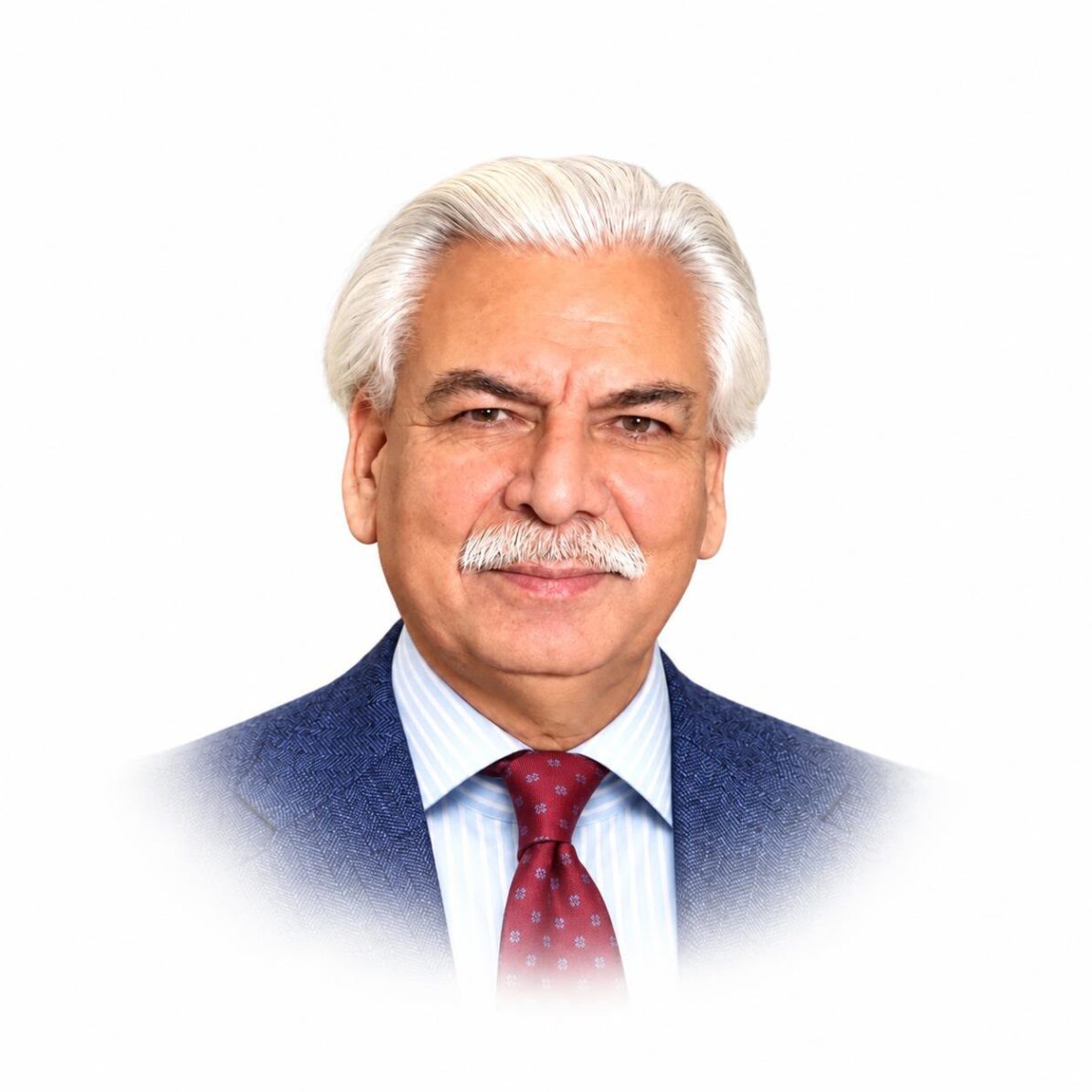
Barrister Usman Ali, Ph.D.
Pakistan’s political and institutional crisis has become a familiar spectacle: every camp presents itself as the answer and everyone else as the problem. Politicians trade accusations of corruption, betrayal and disloyalty, yet hesitate to sit together and discuss the country’s future. Rather than settle their differences through politics, they look to the military or judiciary for intervention. A decision in their favour is praised as sound judgment; an unfavourable one is condemned as interference. But responsibility does not rest with politicians alone. The military faces questions about its political role, the judiciary about delayed and unequal justice, the civil service about poor governance, and the media about bias and irresponsible reporting. Everyone demands accountability. Who is prepared to accept it?
Speaking at the Karachi Press Club, Pakistan Peoples Party (PPP) Chairman Bilawal Bhutto Zardari called for a “political reset”. He spoke of eroding trust in Parliament, political victimisation, judicial independence, pressure on the media, provincial rights and economic hardship. He also acknowledged his share of responsibility for the system’s failures. That admission matters, but diagnosis is not a cure. The PPP, like every party, must explain which principles it stands for, what it intends to change and whether those commitments will survive the pressures of power.
A recurring weakness in Pakistani politics is how readily principles are reinterpreted when parties move between government and opposition. A decision condemned as undemocratic yesterday becomes defensible today. Changing strategy is part of politics; abandoning fundamental principles whenever circumstances change is something else. Public trust cannot recover while standards depend on who holds office. Reform must begin with the parties themselves and with a willingness to negotiate rather than seek help from unelected centres of power.
The Charter of Democracy, signed by Benazir Bhutto and Nawaz Sharif in May 2006, offered a framework for cooperation. It addressed judicial independence, an impartial civil service, media freedom, provincial autonomy and resistance to unconstitutional intervention. Some commitments led to progress, but confrontation persisted. Before drafting another charter, the parties should account for the promises they failed to keep. Otherwise, a new agreement may become little more than another photograph for the archives.
The PPP also has questions to answer about its support for the 27th Constitutional Amendment and Bilawal’s subsequent criticism of how it was passed. Which provisions does the party now seek to amend? What steps will it take in Parliament? The same scrutiny should apply to the Pakistan Muslim League-Nawaz, Pakistan Tehreek-e-Insaf and every other party. Credibility begins with an honest examination of one’s own record.
The immediate priority should be structured negotiations between the government and opposition, involving major parliamentary and regional parties. Their purpose should be neither to save nor to topple a government, but to agree on rules that will outlast it. Within a specified period, they should publish a draft charter covering credible elections, peaceful transfers of power, equal treatment under the law, the right to peaceful protest and safeguards against the partisan use of state resources. Unresolved disagreements should be disclosed, and civil society should be invited to contribute.
Parties must also reform themselves. Internal elections, transparent finances, tolerance of dissent and written policy commitments should be standard practice. When a change of position is justified, the reasons should be debated through party institutions and explained publicly. A party that cannot practise democracy internally will struggle to defend it nationally.
Yet a political agreement alone cannot fix the system. The Constitution already establishes the broad boundaries of institutional authority. The problem is not simply a lack of rules, but the failure to respect and enforce them or to hold violators accountable. A genuine reset should strengthen constitutional institutions, not create a new forum above them.
The military’s primary role is national defence and assistance to the civilian authorities where the Constitution and law permit. Its professional advice on security matters is essential, but the formation of governments is the responsibility of elected representatives. Politicians, in turn, must stop seeking unconstitutional backing to gain power or undermine rivals. Clear procedures and effective parliamentary oversight are needed to sustain this separation.
The judiciary must interpret the law, protect fundamental rights and deliver impartial justice—not take over the work of the executive. Its independence requires protection, while delays, judicial appointments and accountability procedures need transparent reform. Parliament must legislate; courts must review legislation within their constitutional mandate. Neither independence nor accountability should be used to negate the other.
The civil service should answer to the law and serve the public, not individual politicians. Media freedom, meanwhile, must be defended alongside professional standards: distinguishing reporting from opinion, verifying accusations, correcting errors and providing a fair opportunity to respond. Governments must not intimidate the press, and media organisations must not become instruments of personal or political vendettas.
A national charter should explicitly reject character assassination. Political opponents, judges, military officers, public servants and journalists should not be branded traitors or subjected to personal attacks without evidence. That does not mean protecting anyone from scrutiny. Corruption, abuse of power and misconduct must remain open to investigation and lawful consequences. The distinction is between evidence-based accountability and punishment by accusation or media trial. Party leaders should hold their spokespeople and supporters to the same standard.
Implementation must be measurable. A joint parliamentary committee representing government and opposition could publish proposed legal and administrative reforms within 90 days, identifying responsible institutions and deadlines. It should consult legal experts, professional bodies, relevant institutions and civil society, while leaving legislation to Parliament. Public quarterly reports should record progress, failures and explanations for missed commitments. Ultimately, people will judge reform by more than quieter institutional disputes: they will look for better justice, education, healthcare and opportunities to earn a living.
Bilawal’s proposal will carry weight only if the PPP presents a credible plan and other parties show that they will defend the same principles in office and out of it. The military, judiciary, civil service and media must likewise accept that authority brings obligations and scrutiny.
Pakistan does not need another rearrangement of power disguised as reform. It needs a change in political and institutional behaviour. Constitutional boundaries already exist; the real test is whether those entrusted with power will respect them. Without that commitment, faces will change, alliances will shift and centres of influence will move, but the system will remain the same. What is advertised as a political reset may prove to be yet another upset.







Leave a Reply