

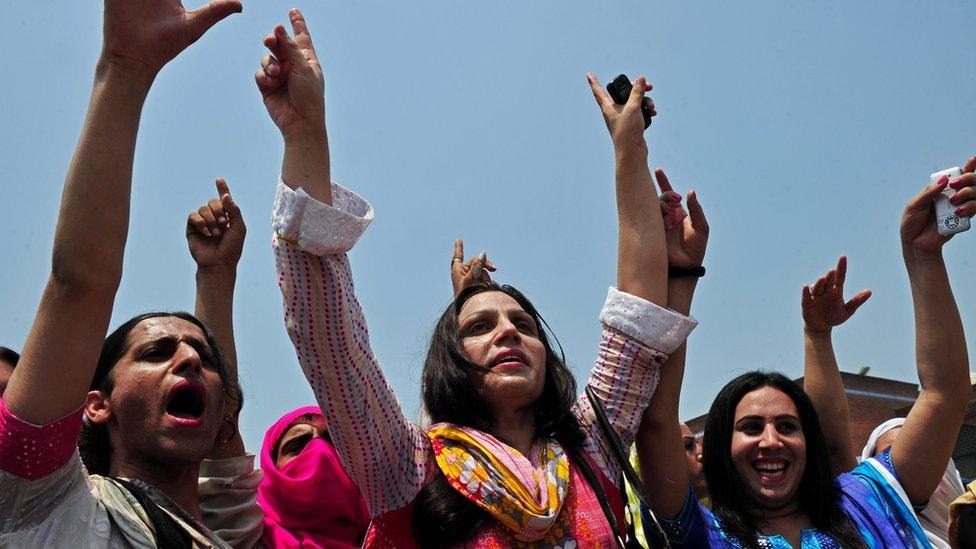
PESHAWAR: The Government of Khyber Pakhtunkhwa has taken a historic step toward equality and inclusion with the formal notification of the Departmental Guidelines for the Protection and Empowerment of Transgender Persons by the Social Welfare, Special Education & Women Empowerment Department. This reflects the provincial government’s commitment to ensuring dignity, equality, and non-discrimination for all citizens, particularly for transgender persons who have long faced social exclusion and barriers to public services.
Rooted in the Constitution of Pakistan and the Transgender Persons (Protection of Rights) Act, 2018, these guidelines provide a comprehensive framework for safeguarding the rights of transgender persons and promoting their full participation in public life. They define the responsibilities of all provincial departments to ensure that transgender persons have equal access to education, healthcare, employment, justice, and public facilities, while being protected from harassment, violence, and discrimination. The guidelines mark a shift from mere protection to meaningful participation, ensuring that transgender citizens are recognized, respected, and empowered across all spheres of governance.
The formulation of these guidelines was a collaborative effort led by the Social Welfare Department with technical support from Blue Veins and the National Commission for Human Rights (NCHR), and with the active participation of transgender community representatives from across the province.
Qamar Naseem, Program Manager of Blue Veins, who provided technical support to the department, said, “This is a milestone in inclusive governance in Pakistan. The KP Government has taken a bold, rights-based step to ensure that transgender persons are treated with dignity and equality. These guidelines transform policy into practice, offering a model that other provinces can follow.”
Rizwanullah Shah, Provincial Coordinator of the National Commission for Human Rights (NCHR), added: “The NCHR appreciates the leadership shown by the KP Government in adopting these guidelines. This initiative demonstrates how human rights institutions and provincial departments can work hand in hand to advance equality and justice. It reflects a shared vision of an inclusive and rights-respecting society.”
Farzana Jan, President of the TransAction Alliance, welcomed the initiative, saying: “For years, our community has faced exclusion, violence, and invisibility. These guidelines give us recognition, protection, and a voice in governance. We deeply appreciate the government’s efforts and the collaboration with civil society partners to make this possible. “

Leave a Reply