

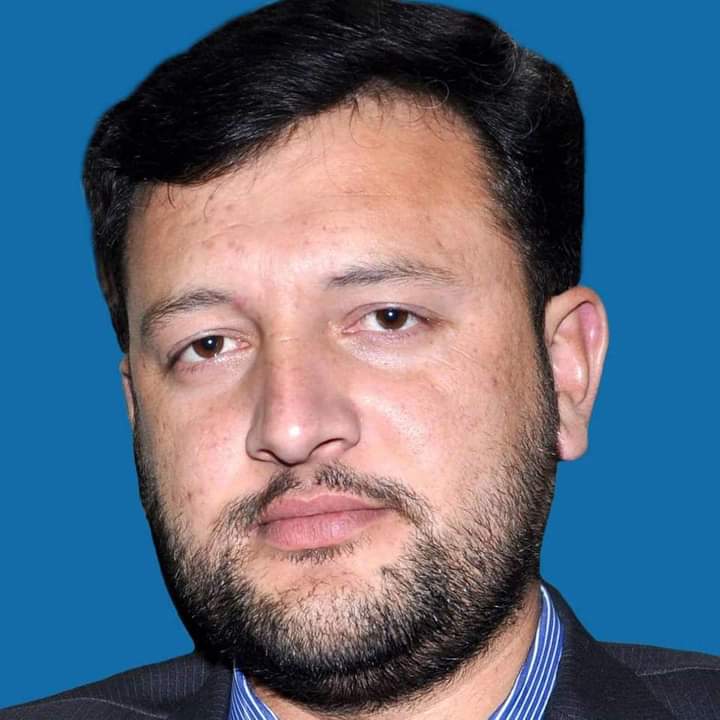
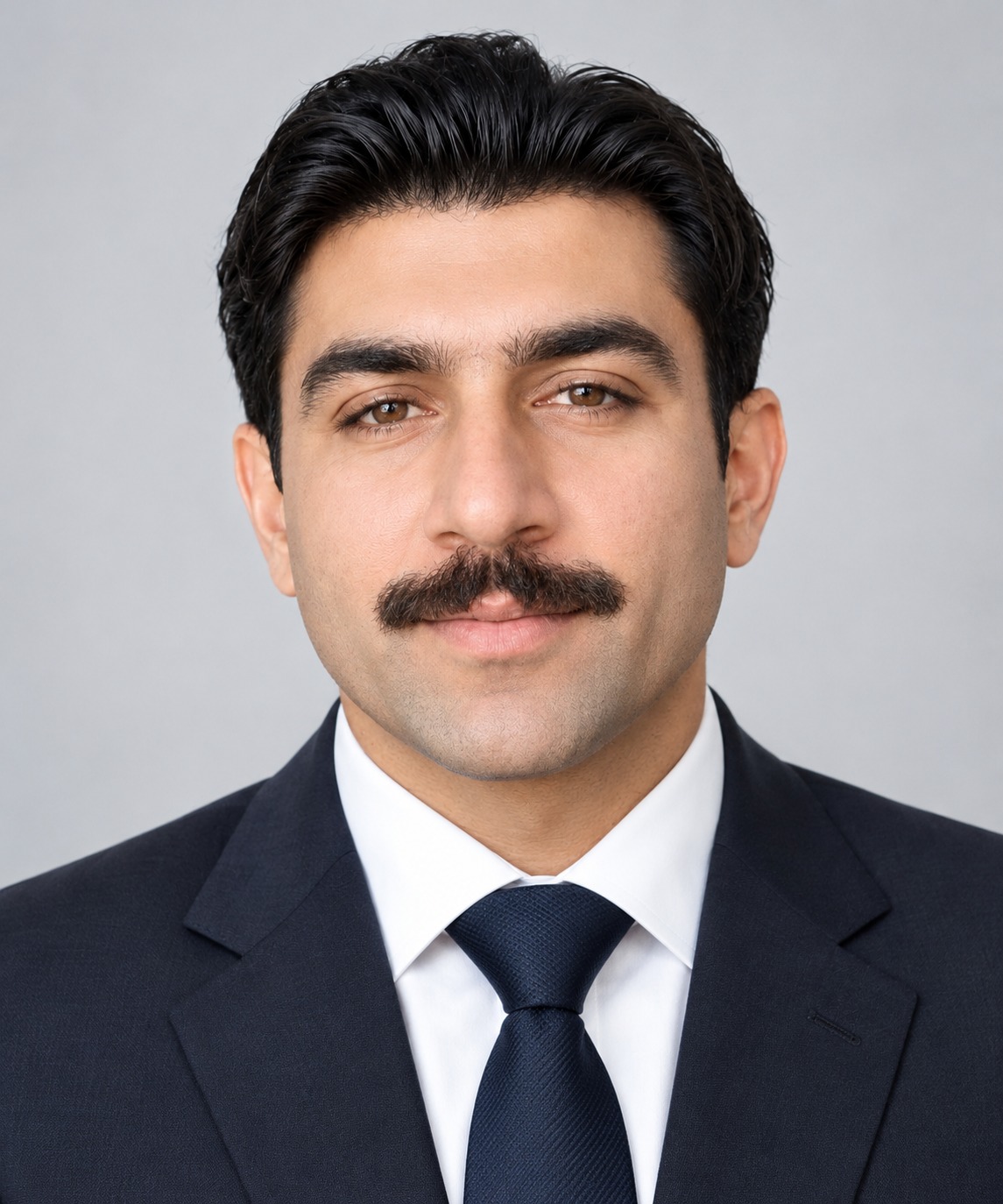
By Mairaj ul Hamid Nasri
After the successful first round of talks at Doha between the two conflicting neighboring countries; Pakistan and Afghanistan, have ended their second round of talks in Istanbul without concluding any agreement for resolving the outstanding issue of control of Tehreek e Taliban Pakistan (TTP) AND Baloch Liberation Army, from attacking Pakistan from across the border. The talks started on October 25 in Istanbul, comprising three days and rounds of discussions held under the supervision of Qatar and Turkey. Both states have their own versions of the causes that led to the failure of the talks. Pakistan; being the targeted victim state of cross border terrorism and militancy has raised the issue in front of the Afghan interlocutors to manage their land, control the aggressors, finish the safe havens, end their patronage to the aggressors, stop listening to the game spoilers, and lets go side by side to achieve the mutually beneficial goal of regional stability and interconnectivity once the menace of cross border militancy is ended. On the other hand, the Afghan Taliban think that militancy and attacks of the TTP on Pakistan’s military personnel or instalments, target killing, bombings, and insecurity are your internal matters and Afghanistan has nothing to do with that. Here, the Afghan Taliban intentionally ignore the ground reality that the aggressors are coming from their land; they use their patronage, their provided safe havens, their provided weaponry, and last but not least, the ideological alliance between the two.
To narrate the story of the Istanbul Talks, the Pakistani interlocutors have put all these points on the table before their Afghan counterparts, but reportedly the response from the Afghans was illogical, against the ground realities, changing stance after every round of talks, taking points and clues from someone else on phone secretly, and then backpedaling after the advice taken on the phone. The Pakistani interlocutors narrate that the impasse and failed destiny of the talks was obvious from the very first day of the talks because of the attitude and response of Afghanistan’s negotiating team. The reports suggest that the impacts of internal rifts among Taliban were palpable during the talks. There are reportedly three factions amongst the Taliban now: Kandahari Group led by Amir of the Taliban, Mullah Haibatullah Akhunzada, the Kabul group led by Mullah Yaqub, son of the pioneer Amir of the Taliban Mullah Muhammad Umar, and the Khost group led by Siraj Uddin Haqqani, son of the founder of the famous Haqqani Network, late Jalal Uddin Haqqani. Many media reports have surfaced these internal divisions and because of these rifts, Mr. Siraj Uddin Haqqani resigned from the Ministry of Interior, Mr. Sher Abbas Stanakzai, the deputy foreign minister, left the country and was sidelined. The issue of female education and women’s rights has time and again been raised by various members and has been a cause of conflict amongst them. The Kandahari group in the case of TTP, is in favor of Pakistan’s demands and have also issued a Fatwa for declaring Jehad against Pakistan as null and void. While the Khost group fears that if they shun relationships with the TTP, then they might ally with the Islamic State (ISIS) and regroup against them and may throw their government thus pushing us to another civil war. The Kabul Group is reportedly leaning towards India and favors better relations with it despite Pakistan’s concerns in this regard. The recent high-level visits of Afghan officials to India, including the official visit of the foreign minister, Mullah Ameer Khan Muttaqi and deputy interior minister Haji Ibrahim to New Delhi, have considerably changed the stance of Afghan Taliban in the past few months. Similarly, the news of upgrading of India’s Technical Mission to a full-fledged embassy soon after the failure of talks in Istanbul is an indication of Indian involvement behind the doors to derail the process and keep Pakistan engaged on both fronts.
The aforementioned facts are enough to ensure clarity of mind regarding the failure of talks in Istanbul. Here few things both states have to keep in mind before going to another episode of war. Firstly, due to the war, the Afghan refugees in Pakistan will definitely face another wave of forceful repatriation, humiliation, and arrests by the law enforcement agencies. Secondly, both governments should look to the long queues of trucks on both sides of the border, with which the bread and shelter of hundreds of families on both sides are affiliated. Thirdly, apart from cultural, religious, ethnic, and historical similarities, both states have witnessed a long history of conflicts, wars, blame games, and proxies, which have been proven as counterproductive. Fourthly, it is a matter of fact that the people of both sides have relationships with each other, have affinity for each other, brotherly feelings, and cordiality in interactions, but the governments have paid little attention to these facts. Fifthly, both states have common destinies because of geographical contiguities, transit trade hubs, regional connectivity opportunities, and common history. Sixthly, they are destined to be the pilots of the symbiotic nature Chinese projects of BRI and OBOR, provided that serenity, peace, and stability prevail in these states. Last but not least is that, the issue of TTP, BLA, and other related insurgents should be resolved through regional cooperation, regional dialogue, with the clear-headed approach of vanishing the menace of terrorism, militancy and insurgencies from the region for the sake of bringing long-lasting stability, regional connectivity, mutual coexistence, and saying goodbye to the ill intentions, ill advices of the game spoilers and lessening the role of those having no stakes in the region at all. All these, can happen once the regional powers, having sway over these two states, Pakistan and Afghanistan, come forward and play their due role in minimizing tensions, prioritizing optimism over pessimism, ignoring the bitter past, and moving ahead with a new brand of cordial relationships.
To conclude, one can say that ignoring the aforementioned ground realities by both parties has brought them to an impasse and has put them at the verge of another episode of war now. The highest level of restraint is needed for both states in the interest of shared benefits across the border, and should bring like-minded regional states together to ensure a permanent solution to the outstanding issues. The role of Qatar and Turkey is laudable and impressive here, but other states should now be involved to put maximum pressure on both states for reaching out to a logical conclusion.
The author can be reached at mairajulhamid717@gmail.com.




Leave a Reply