

By Junaid Qaiser
Thirty years after the landmark 1995 World Summit for Social Development in Copenhagen, the world once again turns its attention to the urgent question of how to make growth truly inclusive. From November 4–6, 2025, global leaders will gather in Doha, Qatar, for the Second World Summit for Social Development, convened under the auspices of the United Nations General Assembly through Resolutions 78/261 and 78/318.
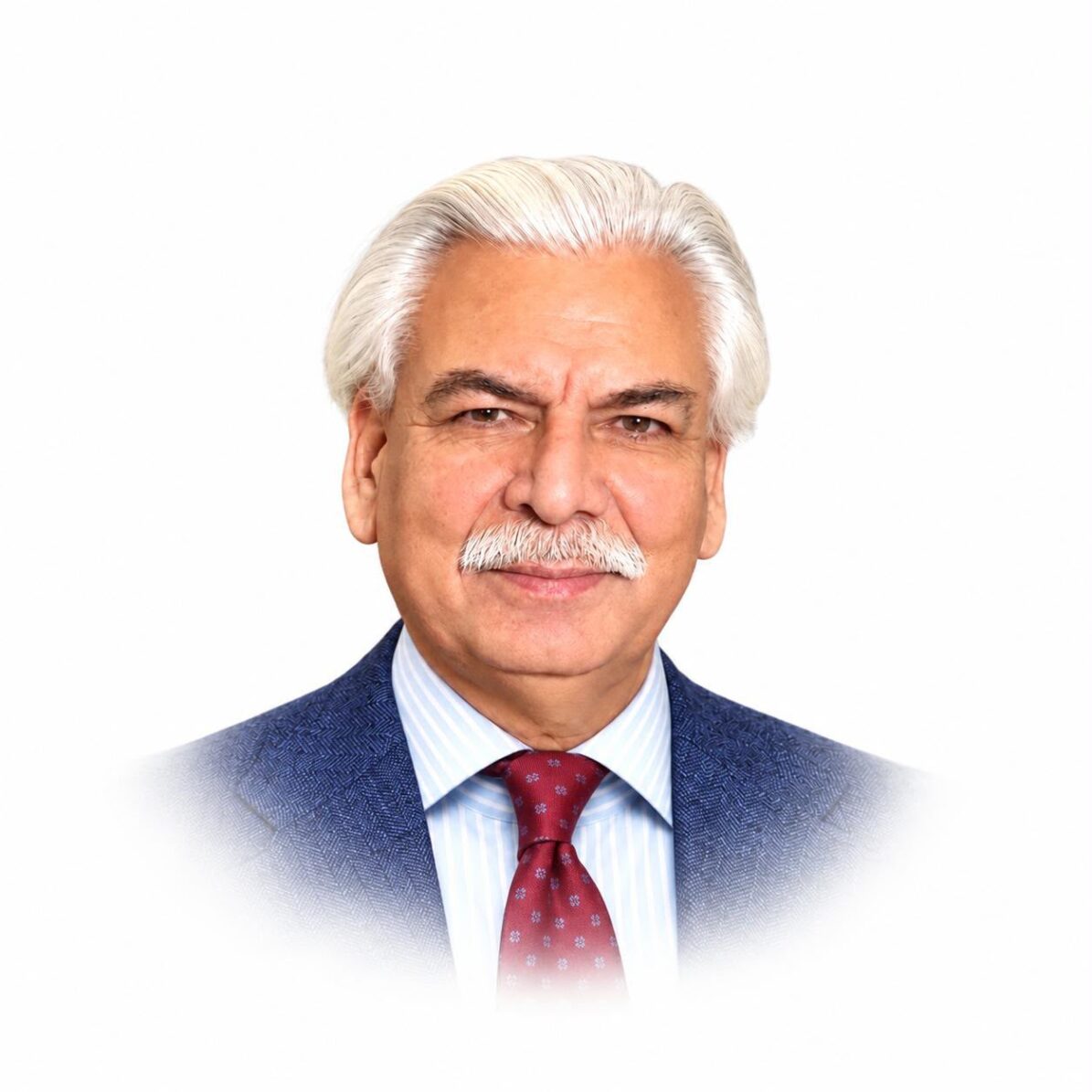
For Pakistan, the summit represents far more than a diplomatic engagement — it is an opportunity to reaffirm its commitment to building a more just, resilient, and forward-looking society. President Asif Ali Zardari’s participation signals Islamabad’s resolve to place social protection, poverty reduction, and inclusive growth at the heart of its national and international agenda.
The Doha Summit comes at a critical time. The world is grappling with rising inequality, demographic pressures, and technological disruption. Against this backdrop, the summit seeks to reinvigorate global commitment to the Copenhagen Declaration’s Ten Commitments — eradicating poverty, promoting full employment, and fostering social inclusion — all while accelerating progress toward the 2030 Agenda for Sustainable Development.
In Doha, President Zardari will highlight Pakistan’s Social Protection and Jobs Compact (2026–28) — a bold, Doha-aligned initiative aimed at expanding social safety nets for informal workers, children, and persons with disabilities, while promoting decent work and green employment. The plan aligns with the Doha Political Declaration, reflecting Pakistan’s readiness to translate vision into action.
At the center of this vision stands the Benazir Income Support Programme (BISP) — Pakistan’s flagship poverty alleviation effort originally conceived by Shaheed Benazir Bhutto. Over the years, BISP has evolved into a robust model for targeted social protection and women’s economic empowerment. Under President Zardari, the programme is being scaled up to expand coverage, improve efficiency, and integrate education and healthcare components — a model increasingly cited across the Global South.
On the sidelines of the summit, President Zardari is expected to meet with global and regional leaders, including Qatar’s leadership, as well as representatives of the United Nations, the International Labour Organization (ILO), and other multilateral bodies. Discussions will focus on mobilizing financing for social protection and sustainable development through mechanisms such as the SDG Stimulus, debt-for-social or climate swaps, and South–South cooperation under China’s Global Development Initiative (GDI).
The State of Qatar, the host of this historic summit, reaffirmed its commitment to human-centered development and global solidarity. His Highness Sheikh Tamim bin Hamad Al Thani, the Amir of Qatar, said the country is honored to host the gathering, he emphasized that Qatar’s development vision is rooted in education, health, social protection, and decent work for all, and that the summit reflects Qatar’s enduring belief in multilateralism and its dedication to advancing peace, social justice, and sustainable prosperity for all nations.
Over the years, Qatar has positioned itself as a global convener for dialogue and social progress, investing heavily in education, healthcare, and inclusive employment. The country’s Permanent Representative to the UN, H.E. Sheikha Alya Ahmed bin Saif Al-Thani, and Under-Secretary-General for Economic and Social Affairs Mr. Li Junhua, have both emphasized that the summit aims to renew global trust, deepen cooperation, and shape a collective response to the social challenges of our era.
The summit’s co-facilitators, Ambassador Sophie De Smedt of Belgium and Ambassador Omar Hilale of Morocco, bring diplomatic experience and regional balance to the intergovernmental negotiations — ensuring that the deliberations reflect both the aspirations of the developed world and the needs of developing nations.
For Pakistan, President Zardari’s presence in Doha reinforces a clear message: economic recovery and social justice must move hand in hand. His advocacy at international platforms has increasingly focused on integrating climate resilience, gender empowerment, and employment generation into the broader development narrative.
As the world revisits the spirit of Copenhagen three decades later, Pakistan’s participation under President Zardari highlights its evolution into a nation that seeks partnership, not patronage — one that views social protection as an investment in stability and human dignity, rather than an act of charity.
In Doha, as leaders chart the future of global social development, Pakistan stands ready to contribute ideas, partnerships, and leadership. Its message to the world is clear: inclusive progress is not optional — it is essential for sustainable peace and prosperity.






Leave a Reply