


By: Farhan Ullah Khalil
khalilfarhan87@gmail.com
When Field Marshal General Syed Asim Munir’s aircraft touched down in Peshawar, it was more than just an official visit by the Chief of Army Staff . it was a reaffirmation of a national narrative, a restoration of mutual trust, and the announcement of a new resolve.
The land of the tribal belt steeped in traditions of honor, sacrifice, and patriotism has always stood as Pakistan’s first line of defense. General Munir’s visit symbolized a reminder of this historic and emotional bond between the tribal people and the Pakistani state a bond rooted in centuries of shared struggle and faith.
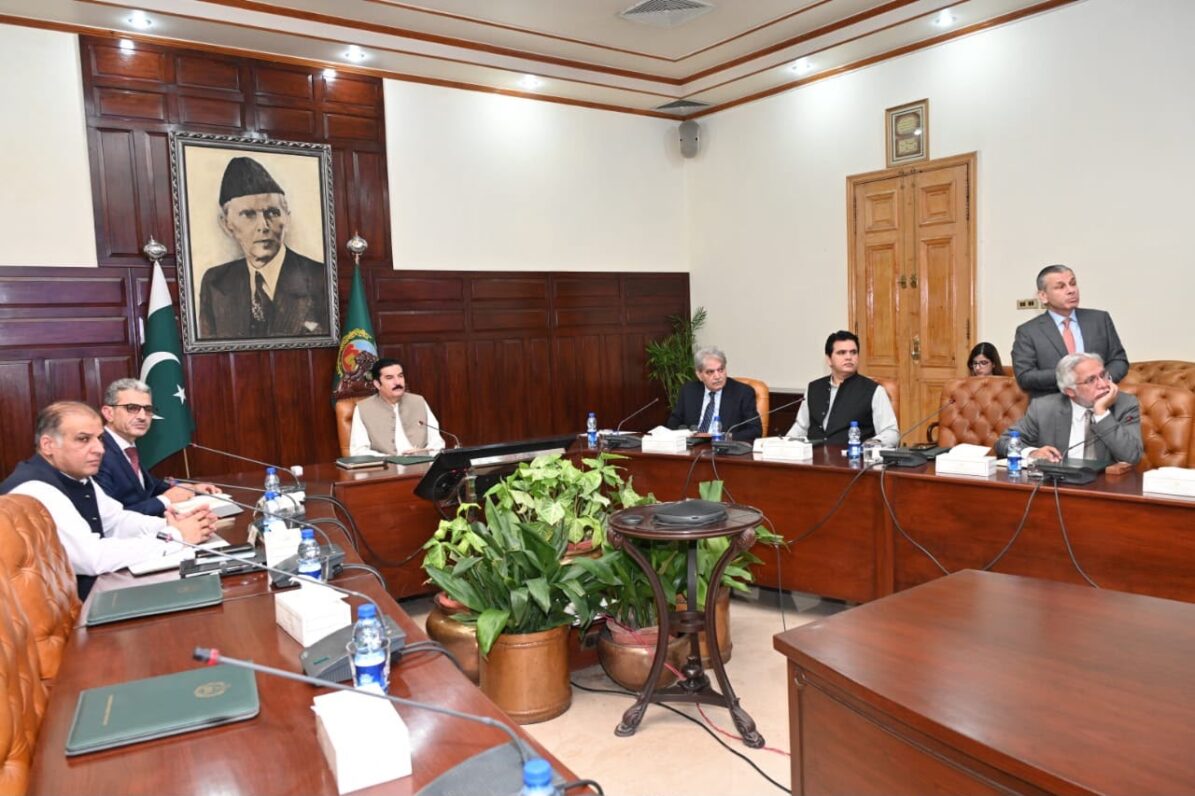
At the Peshawar Corps Headquarters, his meeting with tribal elders, religious scholars, and community representatives was not a mere formality. It was the revival of dialogue between the state and its people. The Army Chief made it clear that Pakistan’s security is non-negotiable, asserting that no cross-border terrorism from Afghan soil will be tolerated.
The timing of this statement was crucial. As regional instability once again casts its shadow over Pakistan, the Army Chief’s words carried a tone of balance, confidence, and composure not of threat. This is precisely what distinguishes the current military leadership: a shift from emotional responses to strategic, dignified, and rational statecraft.
During the jirga, many tribal elders spoke with pride and pain, recalling their sacrifices their sons lost, their homes destroyed, their markets reduced to ashes yet never allowing harm to befall Pakistan. This was not rhetoric but history speaking. The people of Waziristan, Bajaur, Kurram, and Mohmand have borne the brunt of war for two decades, setting an unparalleled example of resilience.
General Munir acknowledged this spirit, affirming that Pakistan is a nation that knows how to sacrifice, but will never allow terrorism to return to its soil. His words resonated deeply a response from the state to the sighs of a people who had long waited to be heard.
For the first time, the Army Chief addressed Afghanistan’s leadership directly and unambiguously. “We seek peace with our neighbors,” he said, “but interference in Pakistan’s internal affairs will not be tolerated under any circumstances.” It was a long-overdue, clear, and principled message transforming Pakistan’s stance on cross-border militancy from mere diplomacy into a coherent state policy.
Peshawar has always been both a frontier of peace and a theater of war. Its streets, forts, and bazaars have witnessed resistance when other parts of the country slept in calm. That history was echoed when General Munir spoke to the people and soldiers of the city with pride that was not born of power, but of affection.
This visit, therefore, was not just symbolic; it was restorative. For years, political chaos, economic strain, and uncertainty had created distance between the state and its citizens. The Peshawar jirga rekindled that fading trust. The participants not only shared concerns but also felt heard a gesture of leadership that builds connection, not command.
Public response on social media reflected this shift. Hashtags like #ArmyChiefInPeshawar and #NationalUnity trended widely. Citizens wrote that, for the first time, they saw mutual respect between the state and its people in such a gathering. That perception, perhaps more than any policy statement, was the real success of the visit.
The current Army Chief is emerging not only as a military commander but also as a builder of national cohesion. His words combine firmness with grace, and resolve with wisdom. When he said, Pakistan’s enemies will never succeed because this nation stands united as one body it was not mere rhetoric it was psychological reassurance, a reminder of unity in an age of division.
Pakistan’s frontier belt is no longer just a zone of conflict; it is now envisioned as a front line for progress and integration. The Army Chief emphasized that development projects, employment opportunities, and education in the merged districts are the government’s top priorities. This marks a transformation in Pakistan’s approach where peace is to be secured not only through the gun, but through education, employment, and justice.
If this entire visit were to be summarized in one line, it would be this: Pakistan seeks peace, but never in exchange for its blood.
This was not a mere military declaration it was a national covenant. For perhaps the first time in years, the country’s defense, foreign policy, and public confidence seemed to align in one direction.
The visit to Peshawar reaffirmed an eternal truth: nations are not built by weapons alone, but by faith, sacrifice, and trust. General Asim Munir reminded the country of the same vision that Quaid-e-Azam gave — Faith, Unity, and Discipline.
That day in Peshawar was not just another event it was the writing of a new chapter in Pakistan’s history, where the state’s dignity, the people’s pride, and the nation’s future sat together in one jirga.
Peshawar, once again, has united Pakistan.






Leave a Reply