

By Junaid Qaiser
In recent months, Pakistan has shown a fresh wave of clarity, confidence, and capability — whether on the battlefield, in the skies, or now, in the realm of ideas. The spirit of Marka-i-Haq, fostered under the steady guidance of Chief of Army Staff Field Marshal Asim Munir, has transcended mere military achievements. It has reshaped Pakistan’s stance on the global stage, showcasing a nation that is increasingly assured of its identity, its story, and its values.
This momentum was vividly evident this week at the Oxford Union, a globally respected institution known for its impartiality and strong dedication to open debate. A highly anticipated discussion on Pakistan–India relations had been in the works for months, with both sides gearing up to present their perspectives to a diverse and discerning student audience.
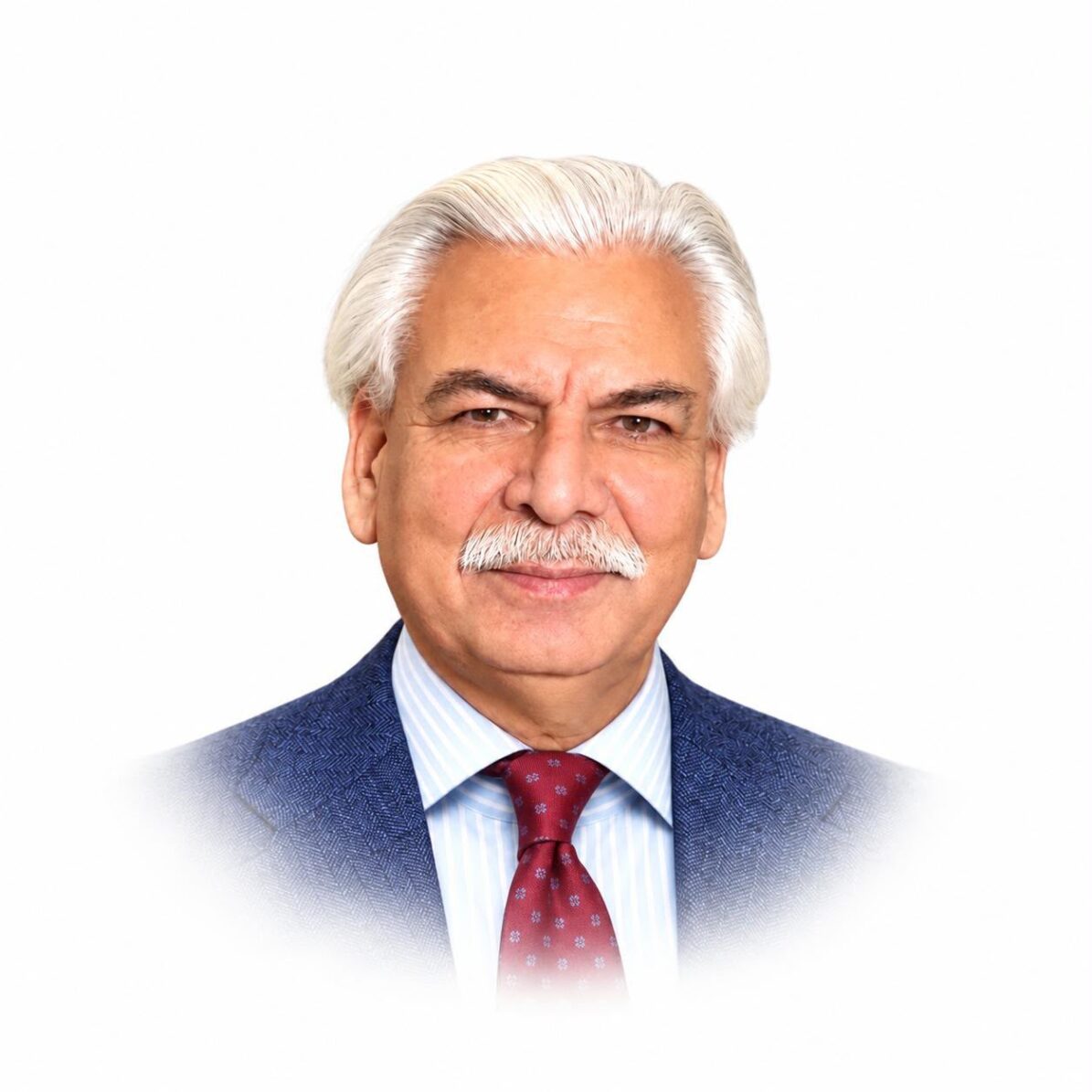
Pakistan came ready — intellectually, diplomatically, and morally. The delegation, which included former Chairman Joint Chiefs of Staff General (R) Zubair Mahmood Hayat, former Foreign Minister Hina Rabbani Khar, and Pakistan’s High Commissioner to the UK Dr. Muhammad Faisal, brought with them well-researched arguments, diplomatic savvy, and the confidence that comes from standing on the side of truth.
In a surprising turn, India’s delegation opted to withdraw just hours before the event. There was no official reason given, no effort to reschedule — just a sudden absence from a forum they had committed to months in advance. Their silence spoke volumes, louder than any counterargument they could have presented.
What was intended to be a vigorous exchange turned into a telling moment: India stepped back from an intellectual showdown on neutral ground, while Pakistan stood poised, the podium across the aisle left empty. The debate was set to focus on a sharp, unbiased motion:
“India’s Pakistan policy is merely a strategy to inflame public sentiment.”
This was exactly the kind of examination India has long shied away from — a space where emotional slogans and nightly TV drama don’t hold any power. With open voting and students encouraged to challenge both sides, India’s talking points were bound to clash with reality.
And maybe that was the real issue. Even with a significant numerical advantage among the Oxford student body, the Indian delegation chose not to show up. If their argument was truly strong, Oxford would have been the ideal place to prove it. Instead, they opted out.
The difference was clear: Pakistan embraced dialogue. India shied away from it.
This isn’t just a one-time embarrassment. Since May 2025, India has stumbled time and again on diplomatic and narrative fronts, exposing weaknesses behind its loud exterior. The Oxford incident simply highlighted those vulnerabilities on a global stage. The fallout was felt back home too. On the same day, the Sindh Assembly unanimously condemned the inflammatory remarks made by India’s defense minister about Sindh. Lawmakers from all political backgrounds pushed back strongly, rejecting New Delhi’s revisionist narratives and reminding the world that Pakistan stands united not just in territory, but also in history and emotion.
From Murad Ali Shah’s sharp historical rebuttal to comments from members of the PPP, MQM-P, and JI, the message was clear:
Pakistan is not a nation that backs down. Not militarily. Not diplomatically. And now, not intellectually. What unfolded at the Oxford Union was more than just an academic event. It served as a reflection of Pakistan’s current standing — bold enough to engage in debates with anyone, anywhere, on equal terms. India’s reluctance to participate only underscored the changing dynamics in the region: Pakistan’s story is becoming clearer and more credible, while India’s narrative seems increasingly confined to friendly studios and controlled settings.
From victories on the battlefield to dominance in the skies, and from diplomatic growth to intellectual poise, Pakistan is advancing with determination.
The momentum behind Pakistan is genuine — and it’s only gaining strength.


Leave a Reply