

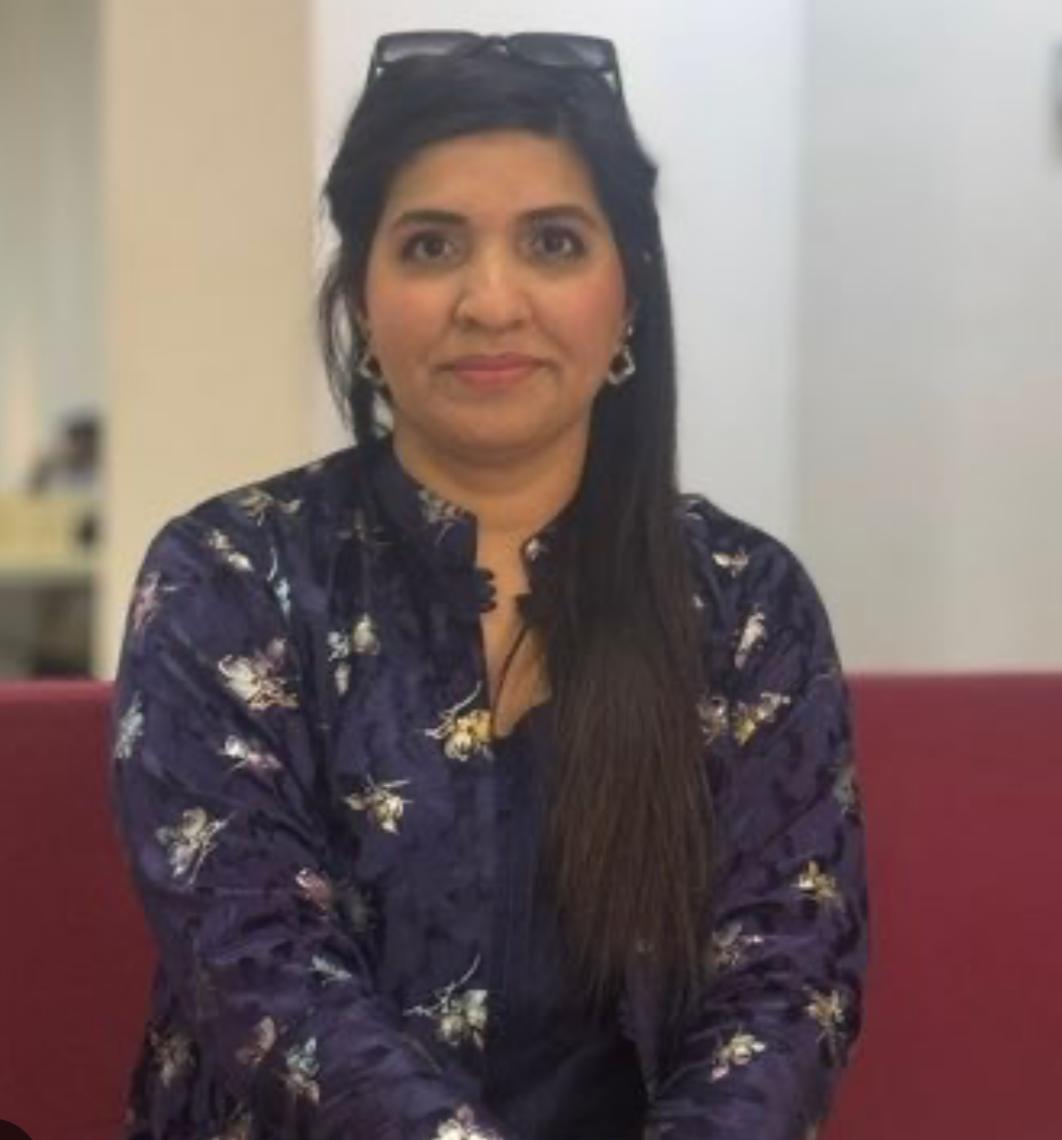
Dr Gul.i.Ayesha Bhatti
The 10th Pakistan–Russia Intergovernmental Commission (IGC), held in Islamabad from 25 to 27 November 2025, will be remembered less for its ceremonial optics and more for the deliberate strategic signalling it carried. Co-chaired by Pakistan’s Federal Minister for Energy Sardar Awais Ahmad Khan Leghari and Russia’s Minister of Energy Sergei Tsivilev, the session reflected a quiet but clear recalibration in Pakistan’s foreign policy, one rooted not in ideological nostalgia but in economic urgency and geopolitical pragmatism. As both states navigate uncertain global currents, the engagements in Islamabad suggested a willingness to deepen cooperation across trade, energy, connectivity, education, and culture in ways that might reshape their bilateral dynamic in the years ahead.
At a time when Pakistan’s economy continues to wrestle with structural imbalances, constrained exports, energy shortages and an urgent need for new markets, the renewed engagement with Russia carries practical value. The two sides reviewed progress on expanding bilateral trade, with Pakistan pushing for diversification in textiles, sports goods, IT services and agricultural commodities. Discussions on a pilot cargo train, often overlooked in mainstream commentary, signal an attempt to move towards a Eurasian logistics network that could connect Pakistan more firmly to Central Asian and Russian markets. If implemented effectively, this initiative has the potential to reduce transit costs, open new export routes and integrate Pakistan into regional supply chains that have otherwise remained underdeveloped.
Energy cooperation remains at the centre of the Pakistan–Russia equation, and this round of talks reaffirmed that reality. Pakistan’s chronic dependence on imported fuels, coupled with its volatile foreign exchange reserves, makes the search for reliable partners imperative. Russia, with its expansive experience in oil, gas and hydropower technologies, offers opportunities not just for LNG and LPG procurement but also for medium- to long-term technical collaboration. Islamabad and Moscow’s willingness to strengthen frameworks for energy supply, expand cooperation in hydropower and water-related technologies, and explore industrial modernisation reflects a shared understanding of mutual benefit. For Pakistan, the promise is of more affordable fuel sources and the long-awaited revival of heavy industry; for Russia, it is access to new markets amid changing global alignments.
The IGC also ventured into domains that are not always associated with Pakistan–Russia relations but may prove foundational in the long run. Both sides agreed to finalise intergovernmental agreements on higher education, mutual recognition of degrees and scientific cooperation. The commitment to establish Russian language centres in Islamabad and Karachi suggests an investment in long-term human capital and cultural familiarity. In diplomacy, such initiatives often outlast political cycles and create constituencies of cooperation far beyond official corridors.
Soft power engagement was visible throughout the session. The cultural performance by Russian artists at PNCA, the meeting between the Russian delegation and survivors of the 2005 earthquake, and the unveiling of a monument to Yuri Gagarin at Fatima Jinnah Park were not incidental gestures. They were symbolic attempts to reintroduce Russia to the Pakistani public imagination, something Moscow has increasingly pursued across South Asia and the broader Global South. Whether these efforts resonate in the long run will depend on how consistently both countries follow through with people-centric exchanges, scholarships, media cooperation and cultural diplomacy.
The signing of three significant MoUs added institutional depth to the engagement. Agreements between the Associated Press of Pakistan and Russia’s Sputnik News Agency, the Pakistan Standards and Quality Control Authority and Russia’s Federal Agency for Technical Regulation, and the Competition Commission of Pakistan with the Federal Antimonopoly Service created a framework for cooperation in media, standardisation, metrology and competition governance. These are technical areas, often invisible to the general public, but their impact is far-reaching. Stronger regulatory coordination can ease trade barriers, build trust among businesses, and improve the transparency and competitiveness of cross-border commercial activity.
Yet, despite the encouraging signals, it would be naïve to ignore the challenges ahead. A long history of unimplemented MoUs and stalled mega-projects serves as a reminder that high-level declarations, by themselves, mean little unless underpinned by institutional capacity, financial clarity and political continuity. Pakistan must ensure that cooperation with Russia translates into practical outcomes rather than symbolic posturing. The global context also complicates the partnership. Western sanctions, shifting alliances, and the contested nature of global energy markets impose constraints that Pakistan must navigate cautiously and strategically.
For Russia, Pakistan represents an opportunity to expand its footprint in South Asia and diversify its diplomatic engagements. For Pakistan, Russia offers an alternative partner at a time when economic vulnerability limits its strategic space. The challenge is to ensure that diversification does not become dependence, and that economic cooperation is approached with transparency, clear cost-benefit analysis and a focus on long-term national interest.
As the two sides look toward the 11th IGC in Russia in 2026, the test will lie in moving from dialogue to delivery. The freight train project must materialise, energy supply agreements must be operationalised, and academic and cultural exchanges must be institutionalised beyond ceremonial launches. If even a fraction of the commitments made in Islamabad is realised, Pakistan’s partnership with Russia could evolve from episodic diplomacy into a stable and mutually beneficial relationship.
Amid global uncertainty, the Islamabad session may well be remembered as a moment of quiet strategic pivoting. Whether it becomes a turning point will depend on political will, financial discipline and the ability of both states to align ambition with implementation. For now, what stands out is Pakistan’s readiness to explore new geopolitical pathways, and Russia’s willingness to walk alongside it.
Leave a Reply