

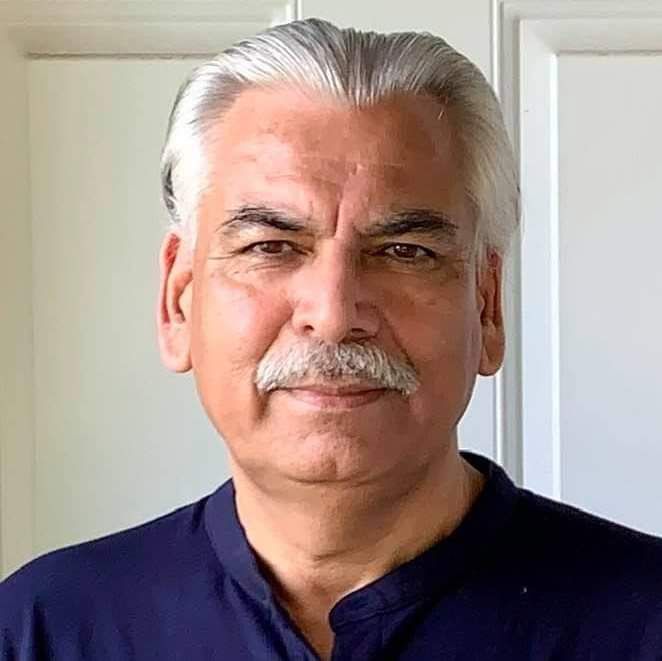
Barrister Usman Ali, Ph.D.
Peshawar… the ancient heart of Khyber Pakhtunkhwa, a city that has watched the rise and fall of empires from the very edge of its streets. Once a thoroughfare for Greek armies, later a sanctuary for Buddhist monks, then a resting place for Afghan warriors, and for centuries one of the most vital stops on the Silk Route, Peshawar has lived more history than most cities can dream of. There was an age when it was lovingly called “the city of flowers.” Its air carried the scent of chrysanthemums, the aroma of steaming kahwa, and the music of stories told in its legendary bazaars. But today, one cannot help but ask: Where is that Peshawar which once bloomed? The city that was clean, orderly and alive just a few decades ago now leaves anyone who remembers it both startled and heartbroken. Those vibrant gatherings, lively markets and fragrant evenings have vanished. What remains is a city groaning under dust, noise, chaotic traffic, foul smells and mountains of garbage, where even breathing has become a challenge.
Qissa Khwani Bazaar, once famous for its storytellers, tea houses and warm, communal evenings, has deteriorated into a congested maze of noise and neglect. Rickshaws, motorcycles, handcarts and chingchis clash for space as if discipline is a forgotten concept. Open manholes gape dangerously across the streets, broken pipelines spill filthy water, and this disturbing picture extends far beyond a single market. The slightest rain drowns entire neighbourhoods. Main roads transform into muddy streams, potholes vanish beneath the water, accidents multiply, and the city’s fragile civic structure collapses in plain sight. This is not mere inefficiency; it is a shameless mockery of citizens’ safety.
And the damage does not stop at broken roads. It climbs into the air. Uncollected garbage, exposed sewage, stagnant pools of water and dust rising from crumbling roads have turned the city’s atmosphere toxic. Wearing white is futile, it turns brown within hours. Dust clouds hover permanently above the city, turning every breath into labour. Coughing fits, throat infections, burning eyes, respiratory illnesses and asthma have become daily realities. Hospital emergency rooms are filled with patients suffering from ailments created by the very air they breathe.
Saddar, too, once symbolised calm, culture and refinement. Families strolled through its shops, students wandered under its trees, and thinkers, poets and journalists debated ideas in its old cafés. Today, those few kilometres take hours to cross. But even the traffic is only part of the misery. As soon as one enters Saddar or any major market, another grim reality unfolds: organised beggar groups. Small children, young girls, women carrying newborns, and elderly men and women swarm vehicles, tapping windows and running alongside. The moment a car stops, they converge as though enforcing a compulsory tax. Their numbers are in the thousands, and this problem spans the entire city. Yet the government and administration remain disturbingly indifferent.
The same disorder stretches through Peshawar University, University Town, Hayatabad and Karkhano Market. Areas once associated with learning, discipline and tranquillity now present scenes of broken roads, encroachments and flowing sewage. Hayatabad’s wide, once-clean streets are now dotted with garbage heaps and open manholes. Add the relentless traffic chaos, and the city becomes unsafe for anyone, whether on foot or on two wheels.
Perhaps the most shameful of all is the landscape outside the Provincial Assembly and the Peshawar High Court. These are the institutions meant to uphold governance and justice, yet they stand surrounded by overflowing drains, rotting garbage, haphazard parking and an overpowering stench. If the guardians of law and authority can tolerate filth on their own doorstep, the condition of the rest of the city becomes tragically self-explanatory.
For over thirteen years, the province remained under the same political leadership. Grand promises were made, but the city’s most basic needs, cleanliness, traffic management, sewage systems, street lighting, footpaths and parking, were systematically ignored. People do not cast votes for rallies or slogans; they do so in the hope of a dignified daily life. Yet Peshawar today stands as proof that its everyday problems were never treated as priorities.
But fault does not lie with the government alone. Citizens, too, share in this decline. Even where trash bins exist, many consider it beneath their dignity to use them. Fruit peels and wrappers are tossed casually onto the streets. Motorists chew sugarcane and fling the fibres onto the road. Shockingly, this behaviour is not limited to the uneducated, university students are often equally careless. No city can be cleaned if its people refuse to act responsibly. Awareness campaigns, school-based civic education and strict fines are not options—they are necessities.
Peshawar’s decay is the combined failure of its administration, its government and its residents. Yet hope still exists. If the government undertakes serious reform, cleanliness drives, traffic planning, sewage reconstruction and pollution control, and if citizens change their habits, Peshawar can rediscover its lost fragrance. Without such change, however, the garbage heaps, dust clouds, open manholes, polluted air and growing human desperation will continue to define the city.
The people of Peshawar deserve far better. And this historic city, rich in heritage and memory, does not deserve this neglect. The time has come for decision-makers to awaken, and for citizens to rise alongside them.





Leave a Reply