

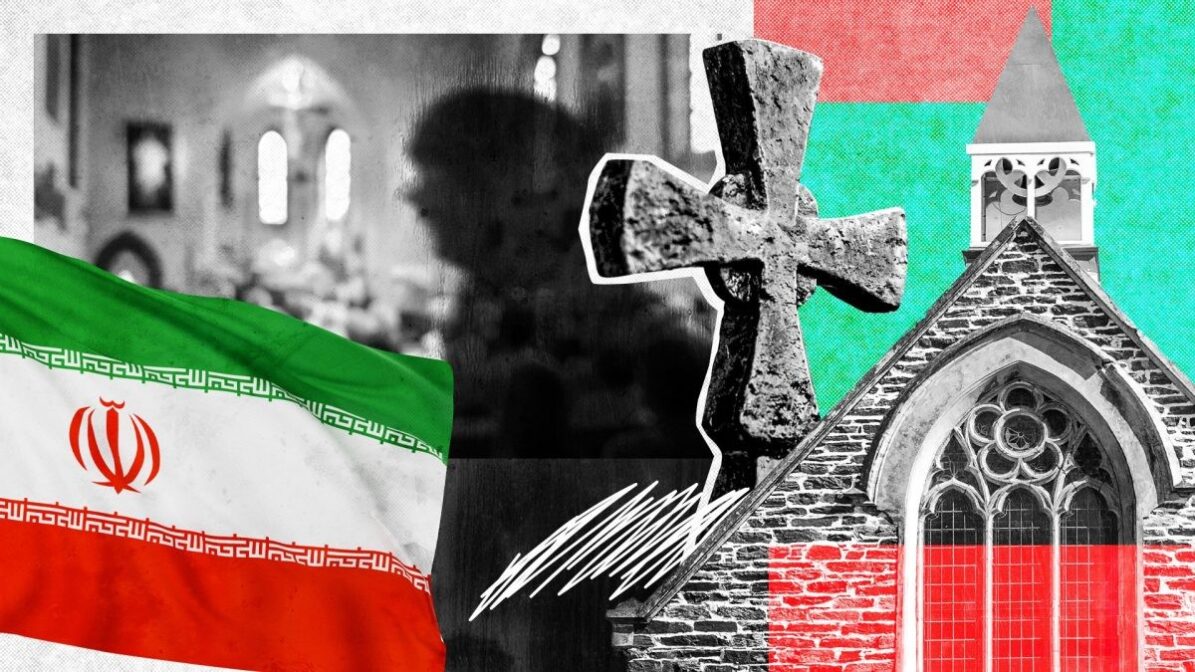
In a symbolic gesture marking the Christian New Year, senior Iranian officials visited a historic church in Tehran, positioning the nation as a global exemplar of peaceful religious coexistence.
Tehran’s Governor-General, Mohammad Sadegh Motamedian, accompanied by Minister of Cultural Heritage Reza Salehi-Amiri and leaders of the Christian community, attended ceremonies at St. Joseph Assyrian Catholic Church. The visit highlighted the government’s public commitment to supporting the country’s recognized religious minorities.
“Tehran stands as a living testament to interfaith harmony,” stated Governor-General Motamedian. He pointed to the capital’s Si-e Tir Street, where Muslim mosques, Christian churches, Jewish synagogues, and Zoroastrian fire temples exist side-by-side. “This coexistence is not incidental but is deeply rooted in the constitutional framework of Iran, which accords special respect to divine religions.”
Officials emphasized that such visits provide a direct channel to address community concerns and reaffirm state support for the preservation of all religious sites. “Serving all citizens, irrespective of faith, is our duty, particularly here in the seat of the Islamic Republic,” Motamedian added.
Constitutional Framework and Global Message
The officials framed this model of coexistence as a direct outcome of Iran’s governance. “The presence of elected representatives from various faiths in our Parliament is a clear testament to this distinctive approach,” Motamedian noted.
Echoing this sentiment, Minister Salehi-Amiri expanded the message to a global scale, linking it to the universal teachings of Jesus Christ. “The message of Prophet Jesus is a transcendent call for peace, kindness, and mutual respect—a reminder of our shared humanity,” he said.
He connected this vision to Iran’s historical legacy. “Throughout history, Iranian civilization has been a cradle of wisdom and tolerance, leaving a legacy of interfaith dialogue for future generations.” He stated that his ministry considers the preservation of spiritual heritage from this coexistence a national duty and a “sustainable platform for international peace.”
A Vision for the Future
In his concluding remarks, Governor-General Motamedian expressed a hope for “a dignified life filled with peace and tranquility for all Iranians, especially our Christian, Assyrian, and Armenian compatriots.”
Minister Salehi-Amiri concluded with a broader aspiration: “May the coming year, guided by these divine teachings, steer our world toward greater empathy, justice, and a more humane future for all.”
The event was portrayed as a demonstration of Iran’s domestic policy of religious accommodation and its alignment with universal values of peace and coexistence, offering a narrative of national unity and cultural richness to the international community.
BY: Nadeem Faisal Baiga











Leave a Reply