

By Sahibzada Khan
Peshawar is one of the oldest living cities in South Asia, a city of culture, hospitality, and resilience. Yet for many years, alongside its traditions and warmth, darker forces quietly took root in its streets and neighborhoods. Land-grabbing mafias, loan sharks, self-styled “jirga groups,” snipers, and hired killers operated with an arrogance born of fear. These groups did not merely break the law; they replaced it. They turned power into justice and intimidation into authority, leaving ordinary citizens helpless and silent.
For a long time, these elements believed themselves untouchable. Entire localities knew their names but dared not speak them. Justice was negotiated in shadows, often at gunpoint, and lives were reduced to bargaining chips. This criminal ecosystem thrived not because people supported it, but because fear had become routine.
Then something began to change.
Under firm and principled law enforcement, cracks appeared in what once seemed like an unbreakable structure. Some of those who had long terrorized communities were compelled to surrender their weapons. In a striking development, a number of individuals publicly declared—under the guise of jirgas—that they would abandon crime and violence. Regardless of the motivation, this surrender symbolized something powerful: the authority of fear was weakening, and the authority of the law was reasserting itself.
However, not everyone chose accountability.
Some fled the country. They sought refuge abroad, particularly in Saudi Arabia. There, they performed Umrah and Hajj, raised their hands daily in prayer, and spoke the language of repentance. Yet a difficult moral question remains: can geography absolve guilt? Can worship erase injustice if humanity is still denied? Prayers offered thousands of miles away cannot silence the cries of victims left behind.
Religion, after all, is not confined to rituals alone. It demands justice, accountability, and compassion. True repentance is not performed only in sacred places; it begins by facing those who were wronged. Changing one’s location does not change one’s responsibility. The pain inflicted on families, the lives destroyed by extortion and violence, and the fear imposed on entire communities do not disappear simply because the perpetrator now stands before holy walls.
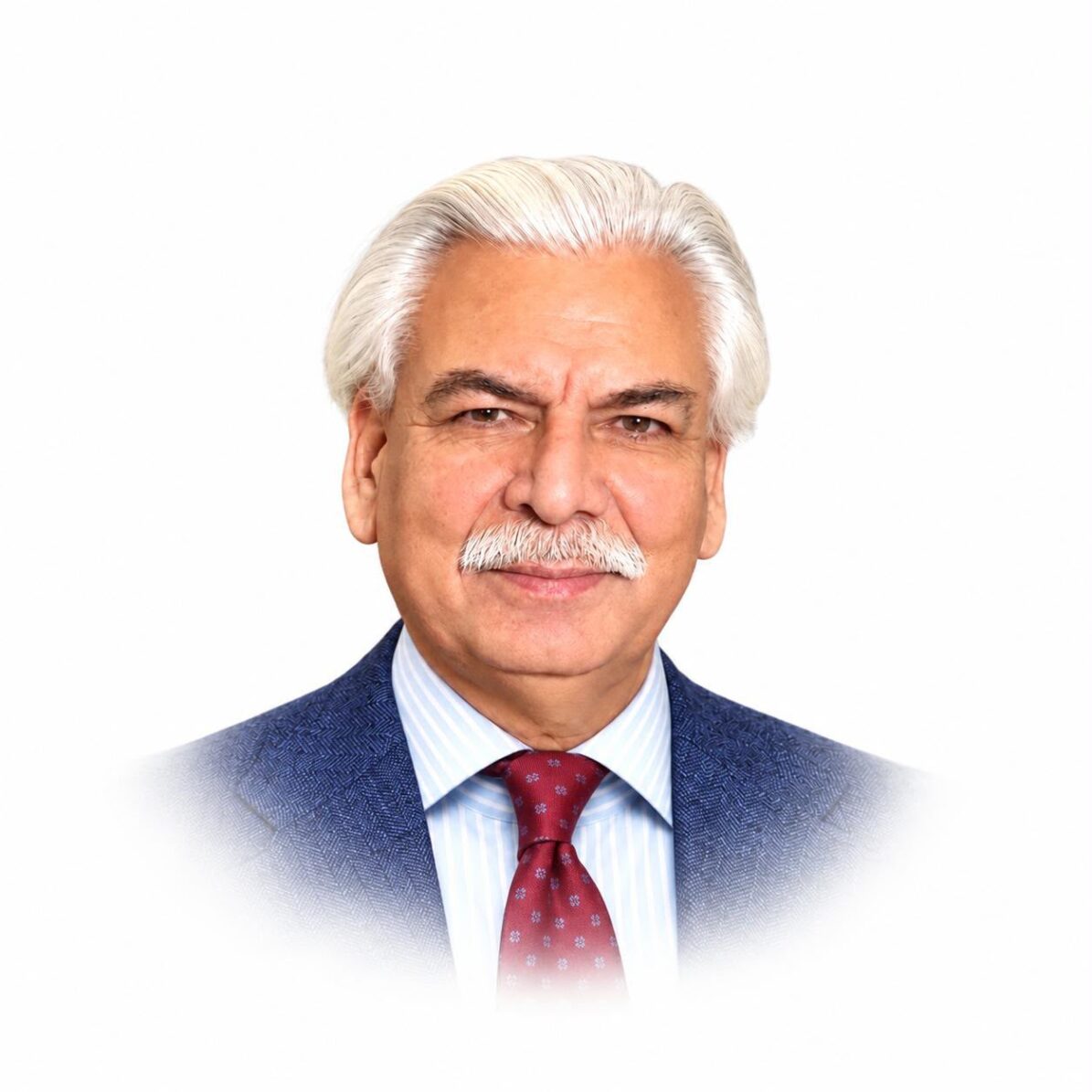
In this complex and fragile environment, the role of Dr. Mian Saeed stands out with clarity and restraint. Without theatrical speeches or media spectacle, he pursued a straightforward principle: the law must be supreme. In a city like Peshawar—where crime is often masked by tradition, influence, and silence—this is no small task. It requires courage, patience, and an unshakable moral compass.
Dr. Mian Saeed’s approach demonstrated that effective leadership does not always announce itself loudly. Sometimes, it works quietly, restoring confidence one case at a time. The true impact of such leadership is not measured in headlines but in everyday life: a shopkeeper no longer paying extortion, a family sleeping peacefully at night, a neighborhood where silence finally means safety instead of fear.
This is where the concept of reward—or sawab—takes on its deepest meaning. While some seek spiritual merit through rituals alone, the greater reward lies in protecting human dignity. When a child walks to school without fear, when a widow is no longer harassed, when a citizen feels the law is finally on their side, that unseen relief becomes a form of collective prayer.
Ironically, those who escaped abroad may believe they are earning spiritual reward through constant worship. Yet it is Dr. Mian Saeed who is receiving the truest reward—one written not in words, but in the lives improved through justice. The prayers of the oppressed, long unheard, now rise quietly in gratitude for a system that finally acknowledged their suffering.
Peshawar is not yet a perfect city. Deep wounds take time to heal. But the direction has changed. The city is breathing again, cautiously but hopefully. This shift did not occur by accident; it came through leadership that valued responsibility over popularity and law over compromise.
History is shaped not only by those who speak loudly, but by those who act decisively when it matters most. In restoring the dignity of the law, Dr. Mian Saeed has reminded us of a fundamental truth: true worship is inseparable from justice, and true reward belongs to those who protect humanity.
And today, that reward belongs not to those who fled, but to those who stayed—and stood their ground.





Leave a Reply