

Rising deficits add pressure on budget and consumers.
Islamabad, Jan 16 2026
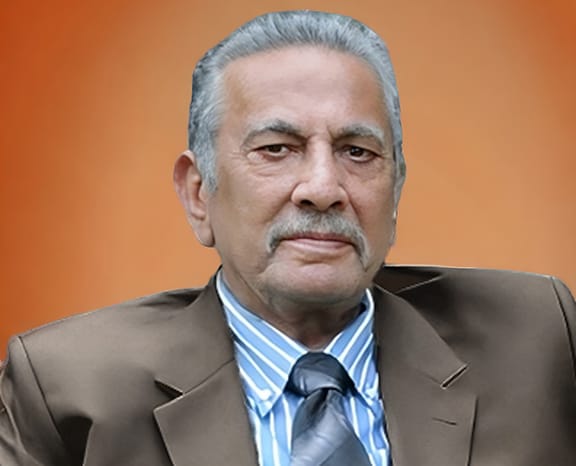
Business leader and former president of the Islamabad Chamber of Commerce Shahid Rasheed Butt on Friday said the long-promised push to reform state-owned enterprises has been laid bare by sharply deteriorating financial results, with official data showing that losses have ballooned despite repeated assurances of turnaround plans.
Cumulative net losses of SOEs surged almost 300 percent to Rs122.9 billion in FY2024 25, up from Rs30.6 billion a year earlier, showing that the reform narrative is not translating into results, he said.
In a statement issued here, he said combined SOE revenues declined by more than 10 percent to Rs12.4 trillion, while even profit-making entities saw earnings slip 13 percent to Rs710 billion. Loss-making enterprises posted only a marginal two percent improvement. At the same time, SOEs absorbed Rs2.1 trillion in fiscal support during the year, largely through equity injections to contain circular debt, diverting scarce public funds away from development spending.
Shahid Rasheed Butt said the finance ministry has cited lower international oil prices as a factor squeezing revenues in the energy sector, but described this explanation as only partially accurate. He said chronic inefficiency concentrated in a few entities, particularly the National Highway Authority and power distribution companies, is driving the losses. DISCOs continue to suffer from electricity theft, high technical losses, weak governance, and an ageing transmission network, while heavy borrowing has pushed up financing costs and locked them into persistent cash flow stress.
The fallout is already reaching the public. Budgetary support to SOEs is adding to fiscal pressure at a time of high inflation, increasing the risk of higher taxes and reduced social spending. In the power sector, inefficiencies translate directly into higher tariffs for households and businesses, hurting competitiveness and disposable incomes. Small manufacturers warn that rising energy costs are forcing production cuts and layoffs.
Shahid Rasheed Butt said that despite repeated commitments under IMF-backed programs, progress on restructuring remains slow and fragmented. He said meaningful reform will require stronger corporate governance, greater transparency, competitive market structures, and decisive action on privatisation or closures. Without firm execution, the cost of delay will continue to mount, leaving taxpayers to absorb ever larger losses, he warned.




Leave a Reply