

By: Nek Amal Utmani
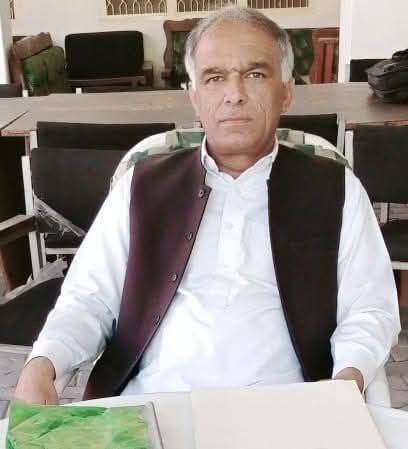
MALAKAND: The legal fraternity in Pakistan, particularly in Khyber Pakhtunkhwa (KP), is facing an unprecedented wave of violence. On a chilling afternoon in Dargai Bazaar, Malakand District, Khalid Khan Khattak, Advocate and President of the District Bar Association, Dargai, was shot dead in broad daylight by unidentified gunmen. His killing is not an isolated tragedy, but rather another addition to a long and bloody list of targeted assassinations of lawyers across KP.
For the last decade, lawyers have been systematically targeted, yet the state machinery has failed to provide protection or justice. No meaningful arrests have been made, no masterminds have been unveiled, and the cycle of bloodshed continues unchecked.
According to available data, dozens of lawyers have been killed in KP during the last ten years victims of targeted attacks, daylight shootings, and in some cases, brutal ambushes. The motivations vary some are suspected to be linked to militant groups seeking to silence voices of justice, while others appear rooted in personal enmities, land disputes, or criminal syndicates threatened by legal challenges.
Despite the alarming frequency of these attacks, the conviction rate remains virtually non-existent. Law enforcement agencies have turned a blind eye, offering little more than hollow promises after each killing. Investigations stall, FIRs are filed but forgotten, and the perpetrators vanish into the shadows. Lawyers, by the very nature of their work, stand at the intersection of justice and conflict. They represent complainants, challenge power structures, and confront influential groups in courts. In a province already vulnerable to militancy, weak governance, and deteriorating law and order, lawyers become soft targets.
The brazen killing of Khalid Khan Khattak, a bar president, shows that even senior representatives of the legal community are not spared. If the head of a district bar association can be murdered in daylight at a busy bazaar, it speaks volumes about the fragility of security and the impunity enjoyed by attackers.The lawyers’ community has responded to these killings with strikes, boycotts of courts, and protest demonstrations. However, such measures have now become routine, almost ritualistic, and have lost their effectiveness. While they reflect the anger and grief of the fraternity, they have failed to force the government to take concrete measures.
The KP Bar Council, the regulatory body for the province’s lawyers, issues strike notices after every killing, yet it has stopped short of devising a long-term security framework for its members. Bar leaders themselves acknowledge that without pressure on the state and law enforcement, these symbolic strikes cannot prevent future bloodshed.
Perhaps the most alarming dimension is the culture of impunity. In nearly all the cases of murdered lawyers in KP, the killers remain unidentified or unpunished. This lack of accountability emboldens attackers, creating a vicious cycle where violence feeds on impunity. Lawyers who continue their practice despite these threats live under constant fear. Many have received direct death threats but are left to arrange their own security. In some cases, families of slain lawyers complain that police discouraged them from pursuing cases, citing “unknown attackers” as a standard excuse.
To address this silent crisis, several urgent steps are needed. The provincial government, in consultation with KP Bar Council, must establish a security mechanism for lawyers, particularly bar leaders and those handling sensitive cases. Dedicated teams within the police should investigate lawyers’ killings, with accountability tied to progress in arrests and convictions. Beyond issuing strike notices, bar councils should build legal pressure, including filing petitions for judicial inquiries, demanding compensation packages for victims’ families, and lobbying parliament for legislation on lawyers protection.The killing of lawyers is not just a professional issue but a matter of justice for all citizens. When lawyers are silenced, access to justice weakens, and society slips further into lawlessness.
The brutal assassination of Khalid Khan Khattak Advocate is a grim reminder of the high-risk reality of practicing law in Khyber Pakhtunkhwa. The silence of the state and the ritualistic protests of the bar are collectively failing the legal fraternity. Unless urgent, concrete measures are taken, the lives of lawyers will continue to hang in the balance at the mercy of killers roaming freely. The question now is not just whether lawyers are safe, but whether justice itself has become too dangerous to pursue in Pakistan.







Leave a Reply