

The year 2018 marked a turning point in the history of our region with the merger of the Federally Administered Tribal Areas (FATA) with Khyber Pakhtunkhwa. This long-awaited constitutional amendment was more than a political decision; it was a moral imperative to extend fundamental rights and development opportunities to our fellow citizens after decades of isolation. The promise was clear: to bridge the developmental gap and weave these areas into the social and economic fabric of the province.
Fulfilling this promise requires a focused and determined effort. The challenges in the Newly Merged Districts (NMDs) are significant, from a legacy of underdevelopment in infrastructure to gaps in essential services like health and education. Recognizing this, the Khyber Pakhtunkhwa government has championed a targeted approach, which is now a cornerstone of the national five-year plan. The goal is to uplift these areas by directing resources and attention to key sectors such as communication and works, agriculture, irrigation, and public health engineering.
A flagship initiative in this mission is the Khyber Pakhtunkhwa Rural Investment and Institutional Support Project (KP-RIISP). This project is designed to be a catalyst for change, with a core objective of expanding access to robust and dependable basic services for households in the merged areas. But KP-RIISP goes beyond just building infrastructure. Critically, every initiative is shaped through a careful Environmental and Social (E&S) lens, ensuring projects are sustainable, mitigate any negative impacts, and are designed to be inclusive from the very start. This proactive approach ensures that the unique needs of every citizen, including the most vulnerable, are identified and catered to.
The strategy is pragmatic. An accelerated implementation plan prioritizes “low-hanging fruit” quick-impact projects that deliver tangible results, building a sense of satisfaction and trust among local communities. This is coupled with comprehensive assessments and community consultations to ensure that every intervention, whether a new water supply scheme, a rural road, or an irrigation channel, is tailored to the specific needs of each district. Gender mainstreaming and social inclusion are not afterthoughts but key steps in the design process, ensuring that development benefits reach women, youth, and marginalized groups, thereby leaving no one behind.
Ultimately, the vision is to guide these rural communities towards sustainable growth, transforming them into centers of opportunity with minimal dependency. By building infrastructure responsibly, strengthening institutions, and listening to the people, KP-RIISP represents a resolute commitment to mainstreaming the tribal communities. It is a collaborative endeavor between the government, local communities, and development partners to ensure that the merger translates into a tangible improvement in the quality of life, paving the way for a prosperous and unified Khyber Pakhtunkhwa for generations to come.
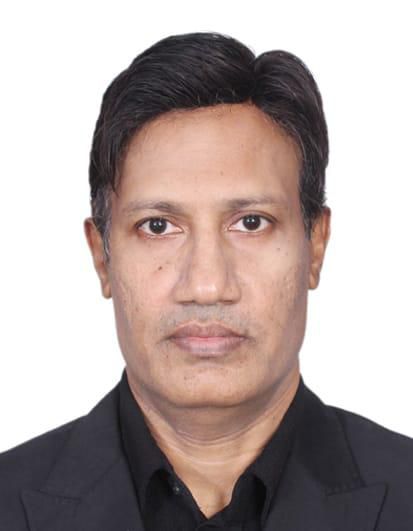
By Shafqat Ali Khan.
The writer is Social Anthropologist and holds Law degree too. He is currently working as Social Development Specialist in Department of Tourism KP based at Peshawar.




Leave a Reply