


Special Correspondent
Marrakech: In a landmark moment for regional and international diplomacy, the United Nations Security Council has adopted Resolution 2797, reaffirming the Western Sahara’s future within the framework of Moroccan sovereignty. The decisive vote—11 in favor, none against—marks a resounding validation of His Majesty King Mohammed VI’s visionary leadership and Morocco’s pragmatic, forward-looking diplomacy.
A Watershed in Global Consensus
Welcoming the adoption, Massad Boulos, U.S. Senior Advisor for Arab and African Affairs, hailed the resolution as a “watershed moment” that “delivers a fatal blow to the outdated separatist narratives” that have long hindered peace in the region. The Security Council’s recognition of Morocco’s 2007 Autonomy Proposal as the only viable basis for a political solution signals the consolidation of international consensus around Morocco’s sovereignty and development-oriented vision.
The Autonomy Plan: Credible and Inclusive
At the core of this diplomatic success is Morocco’s Autonomy Plan, presented in 2007 as a framework for granting the people of the Sahara broad powers to manage their cultural, economic, and social affairs while remaining within the national fold. The plan has been widely recognized as serious, credible, and realistic, offering a genuine pathway toward lasting peace and regional stability.
Visionary Diplomacy and Regional Leadership
This achievement reflects King Mohammed VI’s sustained diplomatic strategy of constructive engagement and partnership-building across Africa, the Arab world, and beyond. Through years of consistent and principled diplomacy, Morocco has emerged as a pillar of stability, economic progress, and religious moderation—demonstrating that pragmatism and cooperation are stronger than division and confrontation.
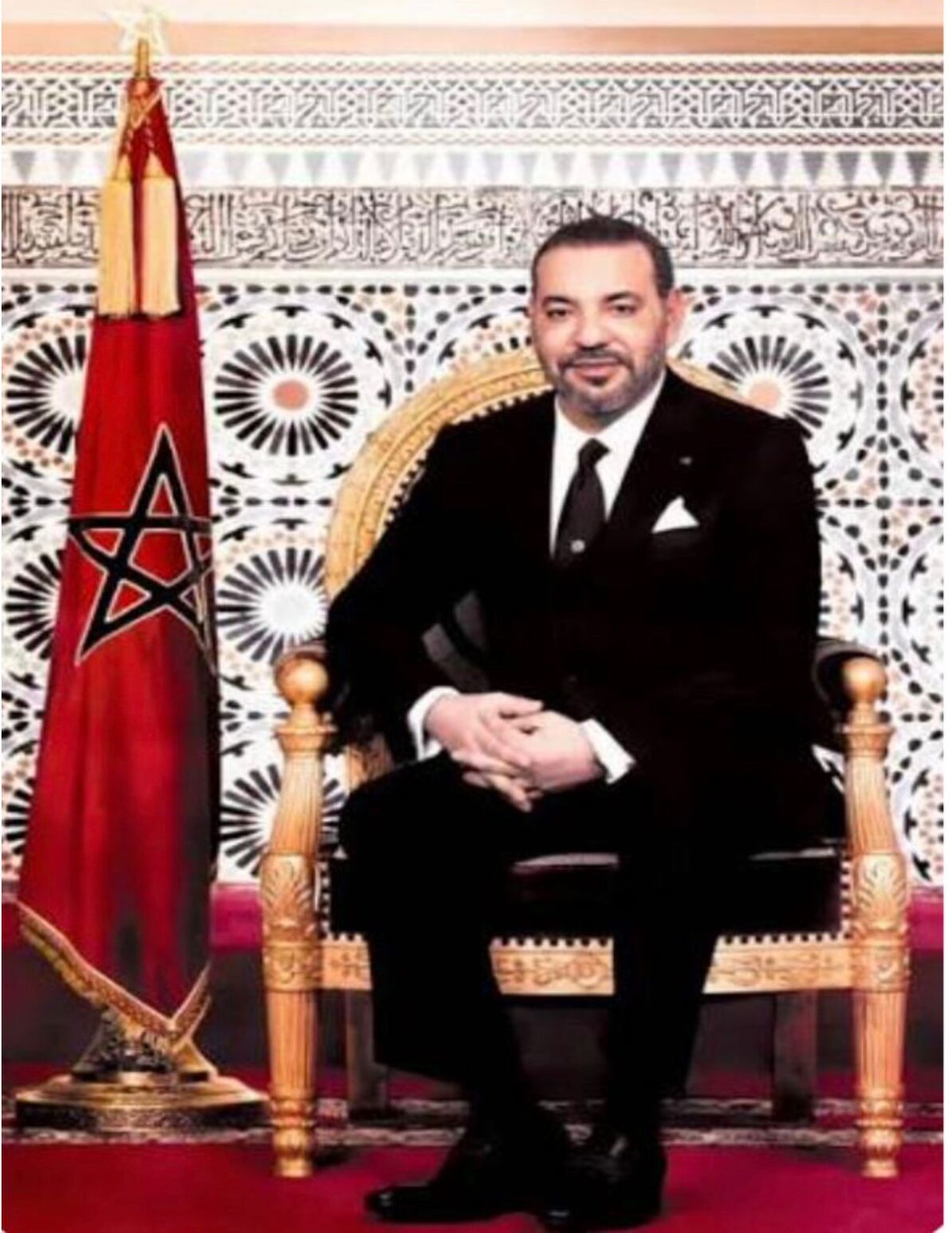
Following the adoption of the resolution, His Majesty King Mohammed VI described the moment as “a decisive turning point in the history of modern Morocco,” declaring, “Henceforth, there will be a before and after October 31, 2025.”
He further emphasized his inclusive vision:
“The time has come for a united Morocco stretching from Tangier to Lagouira.”
Under his leadership, Morocco’s southern provinces have experienced unprecedented investment in infrastructure, education, and economic development—serving as a living example of the benefits of unity and national integration.
Extending a Hand of Dialogue
In a gesture of statesmanship, King Mohammed VI also renewed his invitation to Algerian President Abdelmadjid Tebboune for a “sincere and brotherly dialogue” to rebuild relations on the principles of “trust, fraternity, and good neighborliness.” This call for reconciliation underscores Morocco’s enduring commitment to a peaceful and prosperous Maghreb.
The Road Ahead
The adoption of UNSC Resolution 2797 stands as a powerful endorsement of Morocco’s modern diplomacy and the King’s long-term vision for peace, stability, and prosperity. It isolates the voices of division, strengthens Morocco’s sovereignty, and sets the stage for a final, lasting political settlement.
As Morocco advances under King Mohammed VI’s leadership, the Kingdom is increasingly seen not as a source of challenges, but as a source of solutions—a nation charting a confident path toward a united, secure, and prosperous future.

Leave a Reply