

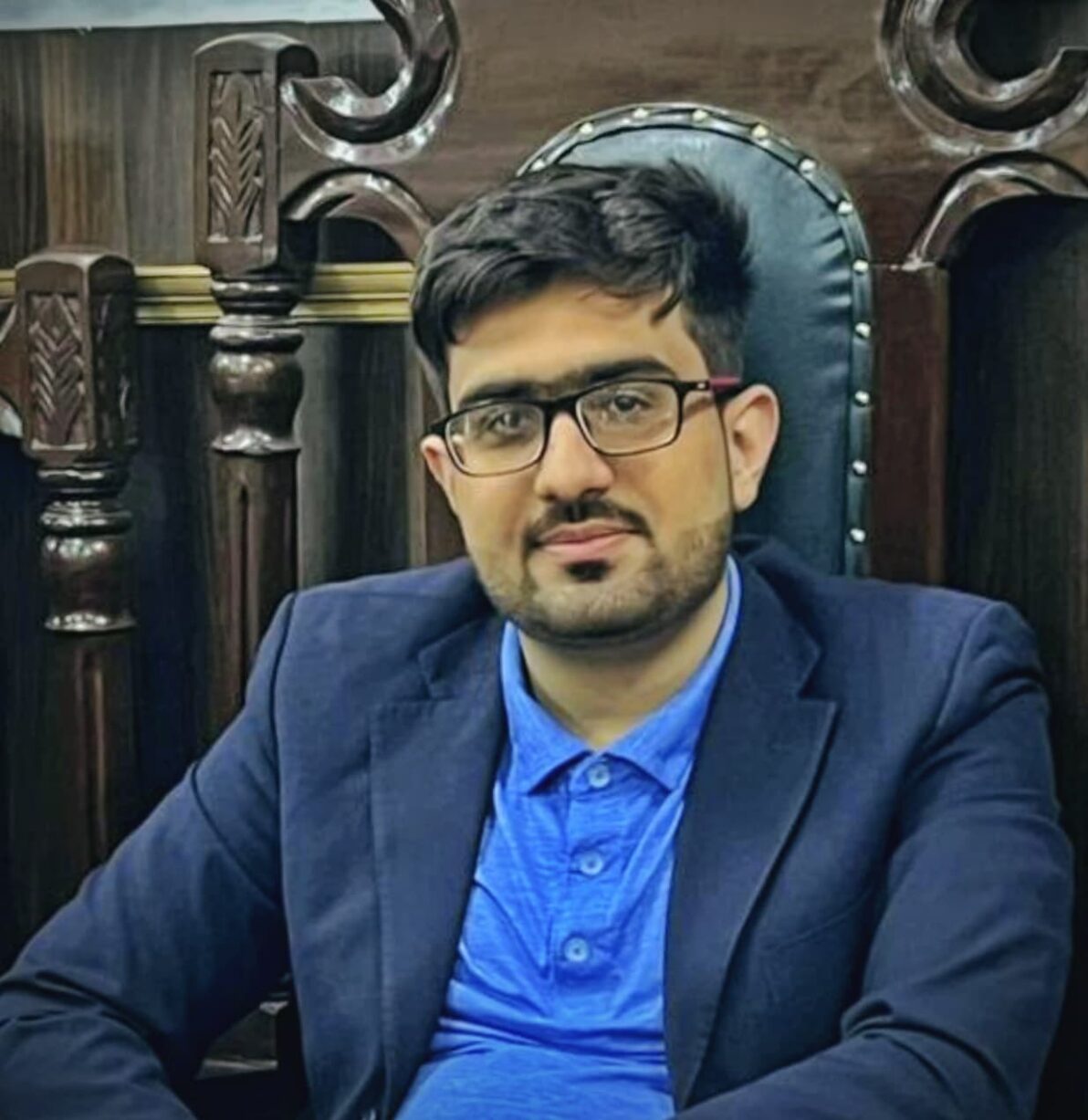
By Ali HassanTakkar
As the world observes the 16 Days of Activism Against Gender-Based Violence, Pakistan confronts one of its most deeply rooted and overlooked crises of child marriage. Despite decades of legal reforms, international commitments, and community-level efforts, thousands of young girls continue to be pushed into early unions every year alongside denied education, robbed of childhood, and exposed to lifelong risks. Child marriage is not merely a social issue, it is a violation of fundamental human rights and a structural barrier to development.
Child brides are deprived of essential rights to health, education, protection, and participation. Many live lives defined by isolation, limited mobility, and disempowerment. Complications arising from early pregnancy remain the leading cause of death for girls aged 15–19 worldwide. Infants born to mothers under 20 face higher risks of stillbirth or early death, reinforcing the cycle of vulnerability.
But the crisis extends beyond physical health. Globally, girls who marry before the age of 15 are significantly more likely to face physical or sexual violence from their partners. In Pakistan, the reality is intensified by traditional norms, economic pressures, and the belief that early marriage offers protection or reduces financial burdens. For many girls, marriage does not provide security it exposes them to lifelong vulnerability and limits their potential.
Pakistan is a signatory to several major human rights instruments, including the United Nation Convention on the Rights of the Child (UNCRC) and CEDAW, both of which obligate the state to protect children especially girls from harmful practices such as early marriage. The country has also pledged to eliminate child marriage by 2030 under the Sustainable Development Goals. Over the years, Pakistan has participated in multiple regional and international initiatives aimed at ending early and forced marriage.
However, the gap between commitment and implementation remains wide. Despite clear obligations, enforcement on the ground is inconsistent. Provincial laws differ significantly, Sindh and Balochistan has set the minimum age of marriage at 18, while other provinces maintain a lower age or lack effective enforcement. This legal inconsistency leaves thousands of girls unprotected and vulnerable to exploitation.
Pakistan’s existing legal framework contains several loopholes that hinder meaningful action. Weak penalties, limited awareness, and socio-cultural acceptance of the practice make enforcement difficult. In many communities, early marriage is justified in the name of tradition, honor, or economic relief.
The lack of universal birth registration makes age verification difficult, especially in rural areas. Police hesitancy often due to cultural sensitivity or pressure from local influentials further weakens enforcement. Without comprehensive institutional reforms, the legal framework alone cannot protect vulnerable children.
The global campaign from November 25 to December 10 is an opportunity to break the silence surrounding child marriage and renew collective resolve. It provides a platform to amplify the voices of survivors, challenge harmful norms, and push for reforms that translate commitments into concrete action.
Child marriage intersects with multiple national priorities like education, health, economic development, and human rights. Addressing it is essential for social progress and gender equality. Ending child marriage requires coordinated, sustained, and community-led efforts.As it robs girls of their dreams, voice, and future. Protecting them is both a legal duty and a moral responsibility.





Leave a Reply