

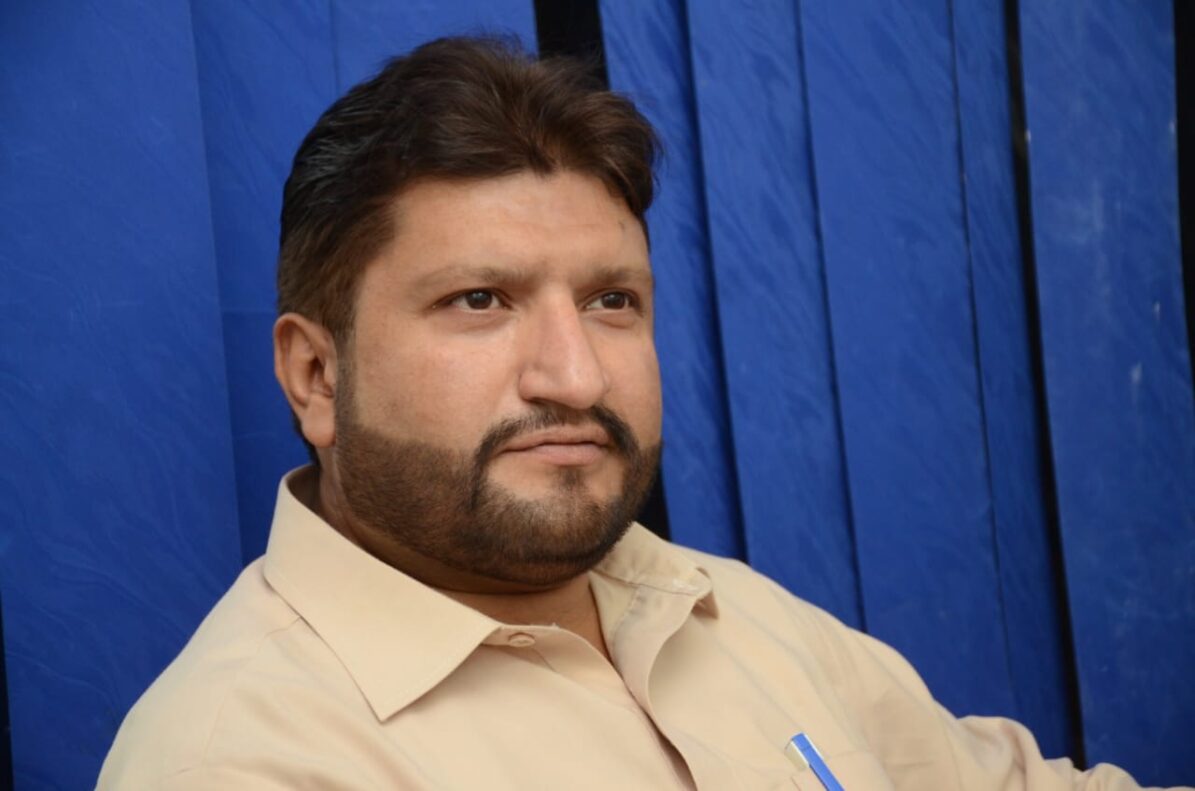
Amjad Hadi Yousafzai
The Pashto film industry in Khyber Pakhtunkhwa once again stands at a critical crossroads where hope and decline appear side by side. There was a time when long queues outside cinemas during Eid symbolized the success of this industry, but today the cinema culture across the province has nearly vanished and film activities have drastically shrunk. The expected release of only one Pashto film this Eid clearly reflects not only the crisis facing filmmaking but also the collapse of cinema infrastructure.
The Pashto film industry in Khyber Pakhtunkhwa is once again going through a difficult phase. This year, only one Pashto film is expected to be released on Eid, mainly due to the severe shortage of cinemas in the province and the near disappearance of the traditional film circuit. In the past, Khyber Pakhtunkhwa was considered the center of Pashto film activities, but today the situation appears completely reversed. Peshawar, once regarded as the stronghold of the Pashto film industry, now has only four cinemas left, while cinemas in other districts have almost completely disappeared.
According to film circles, if this situation continues, the Pashto film industry may face an even deeper crisis in the coming years. There was a time when several Pashto films were released simultaneously during Eid across Peshawar and other cities of the province, and long lines of moviegoers could be seen outside cinemas. Today, however, conditions have changed so drastically that producing new films has become a major financial risk for filmmakers.
A few days before Ramadan, renowned director Inayatullah Khan completed filming his new Pashto movie “Da Dushmani Over.” It is expected to be the only Pashto film released this Eid. The film features prominent actors of the Pashto film industry, including Shahid Khan, Arbaz Khan, Muhammad Hussain Swati, and Mumtaz Zeb. Film experts believe that although the cast is strong, the shortage of cinemas may prevent the film from achieving full commercial success.
Senior artists and producers associated with the Pashto film industry say that in the past, besides Peshawar, districts such as Mardan, Kohat, Nowshera, and Swat had a complete cinema circuit. The presence of cinemas ensured better exhibition opportunities for Pashto films and encouraged investment by filmmakers. Over time, however, cinema closures and various other issues have almost destroyed this circuit.
The closure of cinemas in important cities like Mardan, Kohat, Nowshera, and Swat has not only harmed the film industry but also deprived local audiences of quality entertainment. Film insiders warn that unless the number of cinemas increases, the screening scope of Pashto films will continue to shrink and filmmakers will hesitate to produce new movies.
There was also a time when Pashto films were popular not only in Khyber Pakhtunkhwa but across Pakistan. During Eid-ul-Fitr and Eid-ul-Adha, multiple films were released, and cinemas remained crowded. These films combined action, romance, comedy, and cultural themes, making them highly appealing to audiences.
Peshawar’s film market was once famous throughout the country, where shooting, editing, and film releases were carried out with great activity. However, in the modern era, the growing popularity of digital media, the internet, and streaming platforms has also affected cinema culture. In addition, security concerns, economic challenges, and cinema closures have severely damaged the industry.
Film experts believe that strong government intervention is urgently needed to revive the Pashto film industry. If the provincial government introduces special policies to support cinema construction, filmmaking incentives, and artist patronage, the industry could return to a path of growth.
Meanwhile, there is currently little possibility of Pashto musical stage shows being organized this Eid. In the past, Eid musical stage performances in Peshawar were a major tradition. Alongside local performers, well-known actresses and singers from Lahore also participated. Artists such as Zara Shah, Mehak Jan, Sonia Chaudhry, and others used to visit Peshawar during Eid, staying for a week to perform in multiple stage shows.
These musical shows were not only a major source of entertainment for audiences but also an important source of livelihood for local artists. Through music, dance, and comedy skits, audiences were entertained throughout the festivities. However, in recent years, this tradition has nearly disappeared due to various reasons.
Stage artists say that with government and private sector support, stage dramas and musical shows could be revived, providing employment to artists while offering healthy entertainment to the public.
People associated with the Pashto film industry acknowledge that current conditions are not encouraging, yet they remain hopeful about the future. They believe that if young filmmakers adopt modern technology and explore new themes, the Pashto film industry can regain its lost identity.
Actors and directors also emphasize the need to promote strong storytelling, modern filmmaking techniques, and improved production values. High-quality films, they say, can attract not only local audiences but also Pashtun viewers living abroad.
Film circles have urged the government to take special measures for the revival of the Pashto film industry, encourage investment in cinema construction, provide financial facilities to filmmakers, and establish film education and training institutions to bring a new generation of artists and technical experts into the industry.
Although only one Pashto film, “Da Dushmani Over,” is expected to release this Eid, industry insiders hope it will be well received and encourage further film production. If the film proves successful, other filmmakers may also be motivated to start new projects.
Reviving film activities in Khyber Pakhtunkhwa is important not only culturally but also economically. The restoration of cinemas, growth of filmmaking, and revival of stage shows could create employment opportunities for hundreds of people while strengthening the province’s cultural identity.
Film experts believe that if the Pashto film industry receives proper facilities and opportunities as it did in the past, it can once again move toward growth. Films representing Pashto language and culture can gain recognition not only locally but internationally as well.
Thus, although the number of Pashto film releases this Eid is limited, there is hope that the industry will regain its vibrancy in the future and that the cinematic landscape of Khyber Pakhtunkhwa will once again come alive.
If the government, private sector, and filmmakers adopt a joint strategy, prioritizing cinema construction and film support — the Pashto film industry can return to its golden era. Otherwise, continued cinema closures and a weak film infrastructure may push the industry further into decline. The question now is whether Pashto cinema will be revived or quietly fade into history.



Leave a Reply