


BY Anees Takar
Charsadda: Despite serving nearly two million people, District Headquarters (DHQ) Hospital Charsadda continues to operate on an annual fund of Rs 44 million that was approved back in 1988, according to the hospital’s Annual Performance Report for 2025.
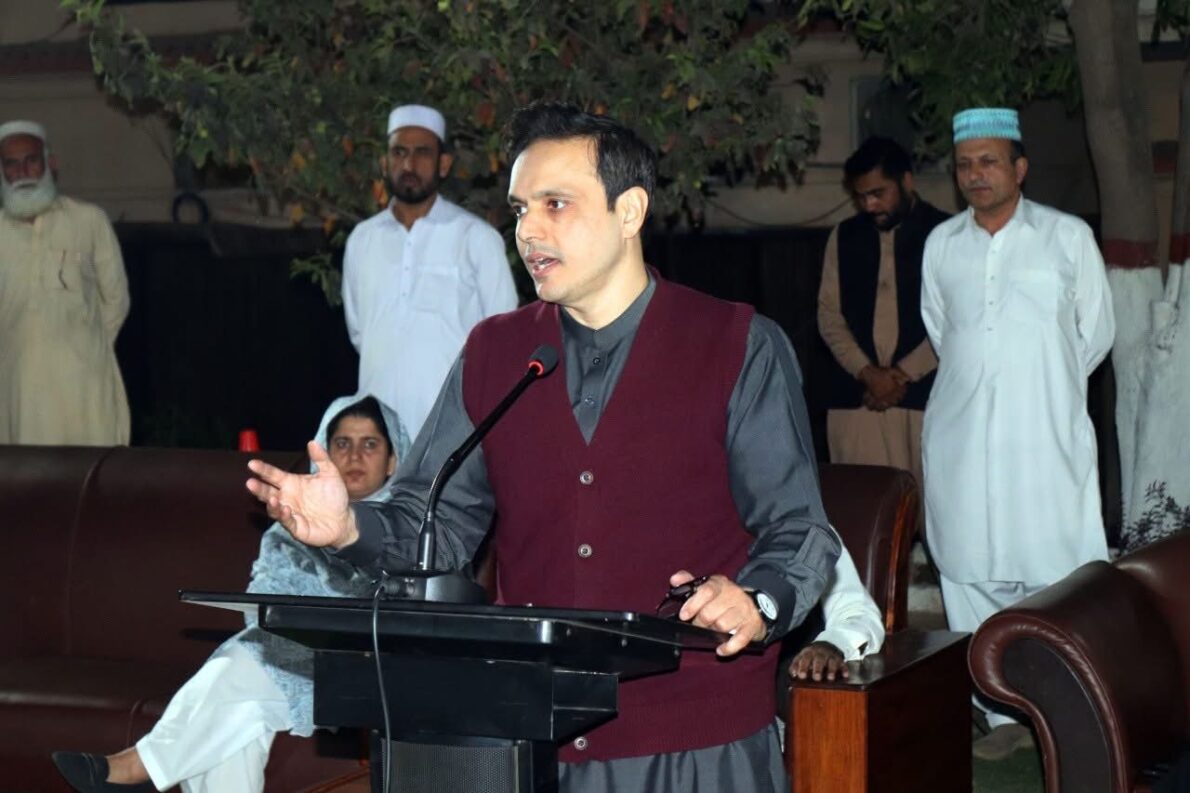
Releasing the report, DMS Dr. Javed Sattar said the Category-A hospital is still receiving the same budget after 38 years, while healthcare costs and patient numbers have increased many times over. He stated that the hospital treated more than 1.01 million patients in 2025, including over 459,000 emergency cases and 551,000 OPD patients. Due to limited resources, the per-patient expenditure remains between Rs 75 and Rs 95, far below the minimum required Rs 1,800.
The report highlights that with only 212 beds, the hospital recorded a bed occupancy rate of 96.5 percent, reflecting severe pressure on facilities. During the year, 18,669 patients were admitted to various wards, while emergency services handled thousands of road accident victims, firearm injury cases, and critical medical emergencies.
DHQ Hospital also performed extensive surgical and diagnostic work, including thousands of general, orthopedic, ENT, urology, and endoscopy procedures, along with large numbers of X-rays, laboratory tests, ECGs, and ultrasounds. Under the Sehat Card Plus program, over 6,300 claims were processed, though expenditures exceeded reimbursements.
Staff shortages remained a major challenge, with a 25 percent shortfall of doctors and a 15 percent shortage in overall staff. Despite this, the hospital maintained uninterrupted services and completed several improvements, including renovation of operation theaters, establishment of a postmortem room, and digitalization of emergency and OPD systems.
The report recommends increasing the annual drug budget from Rs 44 million to Rs 100 million, filling vacant posts, strengthening ICU and trauma care, and establishing facilities such as CT scan, MRI, and a cardiac catheterization lab to cope with the growing healthcare needs of the district.
Leave a Reply