

Pakistan risks civil unrest if elite allowed to keep plundering resources.
TARIQ KHATTAK
Islamabad (December-00-2025)
A prominent business leader has warned that Pakistan’s economic stress, worsened by elite capture of public resources, threatens social stability, especially as inflation, unemployment, and poverty erode the resilience of the masses. This should invoke a sense of urgency and shared responsibility among policymakers and citizens.
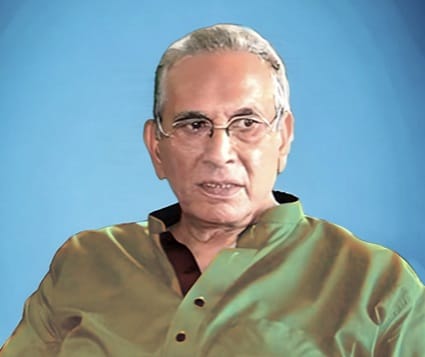
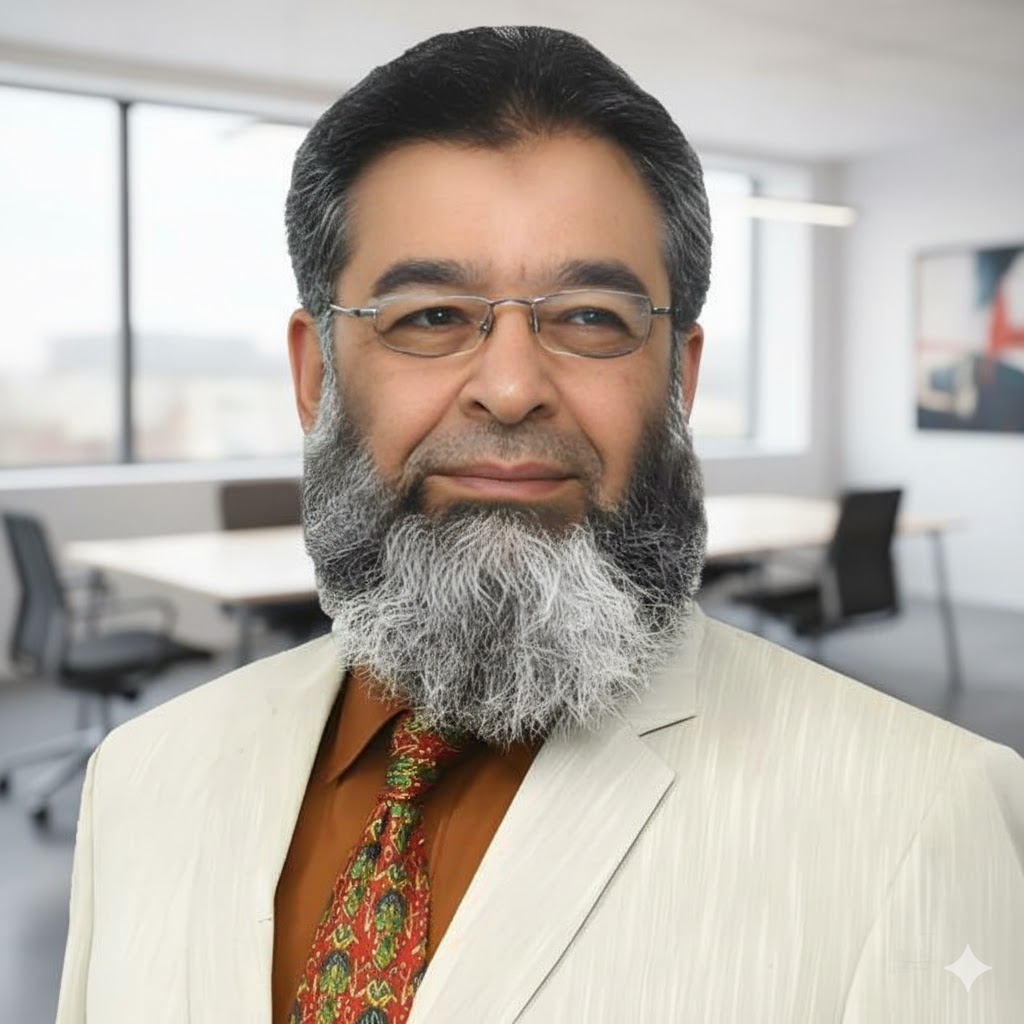
Shahid Rashid Butt, former president of the Islamabad Chamber of Commerce, said recent findings from the World Inequality Database show that the top ten percent income group receives about 43 percent of national income. In comparison, the bottom fifty percent receive only 13 percent. Such concentration of wealth restricts broad-based consumption, limits domestic savings, and undermines the long-term development of a skilled workforce.
He highlighted that nearly 40 percent of children face stunting, and over 25 million remain out of school, underscoring the need for increased investment in health and education. This should motivate civil society and policymakers to prioritize social services for a more equitable future.
Shahid Rasheed Butt noted the growing outflow of skilled youth as both legal and undocumented migration accelerates. Employers report challenges in retaining experienced workers, while small manufacturers cite high input costs and increased taxes as reasons for scaling back operations. Official data for the last fiscal year shows weak industrial output and limited export growth despite repeated policy pledges to support industry.
Small businesses and labour representatives dissent from the current policy direction, saying repeated increases in indirect taxes have raised living costs without strengthening service delivery or regulatory performance. They argue that a rollback of elite benefits, greater transparency in public spending, and reforms in judicial and regulatory institutions must accompany revenue measures.
Mr Butt stressed that reducing elite influence over economic policymaking-such as implementing transparency measures and anti-corruption reforms-is crucial for rebuilding confidence in public institutions and ensuring equitable growth.
Fiscal decisions in the upcoming budget cycle should include tax redesign targeting wealth concentration, increased social sector allocations, and measures to restore investor and consumer confidence, thereby addressing economic disparities and promoting stability.
Pakistan’s economic direction cannot stabilise without a clear break from preferential treatment enjoyed by influential. The gap between policy intent and implementation widens when institutions lack autonomy and when resource allocation reflects elite interests rather than national priorities. Decision-making must shift towards evidence-based planning, more vigorous regulatory enforcement, expanded job creation, increased productivity, and protection of the vulnerable. Investment in human development, transparent budgeting, and predictable regulations are essential for regaining public trust and preventing deeper social and economic fragmentation.





Leave a Reply