

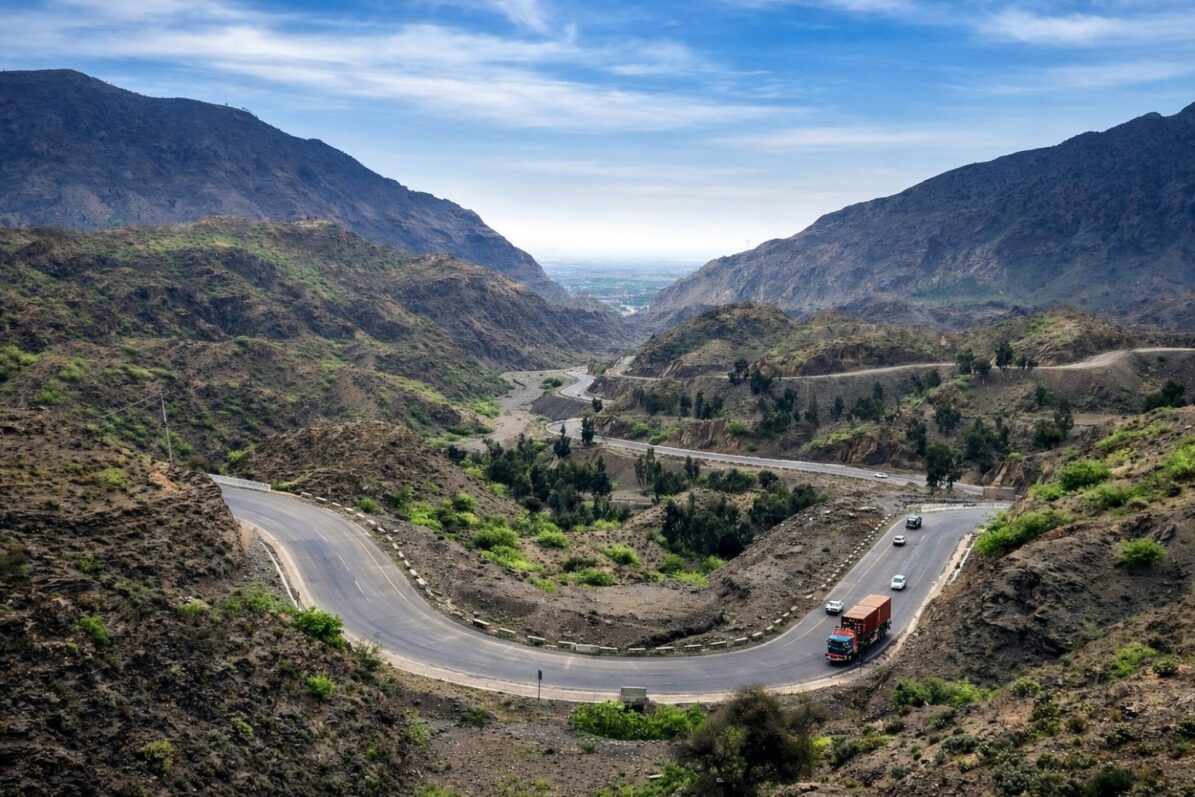
𝘼𝙣 𝙄𝙣𝙩𝙚𝙡𝙡𝙚𝙘𝙩𝙪𝙖𝙡 𝙖𝙣𝙙 𝘿𝙚𝙫𝙚𝙡𝙤𝙥𝙢𝙚𝙣𝙩𝙖𝙡 𝙈𝙖𝙣𝙞𝙛𝙚𝙨𝙩𝙤
Khyber (Latif Ur Rehman): Just as Lahore is regarded as the face, identity, and cultural emblem of Punjab, so too should Khyber District emerge as the Lahore of Khyber Pakhtunkhwa. If Lahore—despite sharing a border with India—can stand as a symbol of order, progress, culture, and prosperity, then Khyber—poised at the gateway of Central Asia—deserves even greater attention and priority. Khyber District is the very first impression that eyes arriving from Afghanistan and the Central Asian states form of Khyber Pakhtunkhwa, indeed of Pakistan as a whole. It is not merely a border district; it is the face of the state. And states, by instinct and wisdom, adorn their faces with dignity, clarity, and confidence. A nation that beautifies its doorways earns respect in the world. Just as one feels order, infrastructure, cultural rhythm, and the pulse of life upon entering Lahore, so too should entry into Khyber signal development, prosperity, and state prestige. Clean and efficient roads, modern border facilities, quality educational institutions, effective healthcare centers, vibrant commercial markets, and living cultural spaces—these are the elements that can distinguish Khyber from all other districts. The fundamental reason for prioritizing Khyber lies in its international character. Here, Pakistan meets Central Asia face to face. The deprivation or prosperity of this region is not merely a local concern; it is a question of national credibility.
As the saying goes, “𝗔 𝗴𝘂𝗲𝘀𝘁 𝗷𝘂𝗱𝗴𝗲𝘀 𝘁𝗵𝗲 𝗵𝗼𝗺𝗲 𝗯𝘆 𝗶𝘁𝘀 𝗱𝗼𝗼𝗿𝘄𝗮𝘆”—and Khyber is Pakistan’s doorway.
If modern industrial zones, free trade markets, logistics hubs, cultural galleries, and tourism facilities are established in Khyber, this district can become not only the economic engine of Khyber Pakhtunkhwa but of Pakistan at large. Its development will uplift the entire region, and its neglect will burden all alike. The need of the hour, therefore, is to move beyond viewing Khyber as a peripheral or tribal unit and instead shape it into the Lahore of Khyber Pakhtunkhwa—a district that embodies progress, civility, commerce, and cultural dignity; so that eyes arriving from Central Asia may pause and say: this is the true face of Pakistan. Khyber District occupies the north-western horizon of Pakistan as a historic, geographic, and civilizational gateway that has, for centuries, connected South Asia with Central Asia. It is not merely a district; it is a living metaphor of civilizational exchange, caravan routes, and cultural interaction—immortalized in history as the Khyber Pass. Its direct border with Afghanistan is its greatest geographic strength. This natural corridor has long enabled Central Asia, Afghanistan, and the Subcontinent to meet one another, carrying trade, knowledge, and culture toward new horizons. Turning the pages of history, from Alexander the Great to Mahmud of Ghazni, Shahabuddin Ghori, Zahiruddin Babur, and later the British Empire—all entered the Subcontinent through this very pass. Khyber welcomed conquerors and traders alike; hence it rightly earned the title “The Gateway of Asia.” The caravans that passed through did not bring goods alone—they carried languages, arts, traditions, and intellectual capital with them. Today, the Torkham border crossing ranks among the busiest trade gateways between Pakistan and Afghanistan. Khyber’s position is pivotal for access to Central Asian markets; CPEC, regional trade, transit commerce, and future economic corridors further amplify this importance. Pashtun traditions of hospitality and courage define this land, where the cultures of Central Asia and the Subcontinent blend into a distinctive hue. Militarily and strategically, Khyber has always held significance and continues to play a vital role in safeguarding Pakistan’s western frontier. With comprehensive investment in infrastructure, education, trade, and industrial zones, Khyber can become a strong economic bridge between Central Asia, Afghanistan, and South Asia. Modern border facilities, free trade zones, and logistics hubs can transform it into a true gateway to Central Asia.
Khyber is not merely geography; it is a convergence of history, commerce, culture, and strategy—a doorway through which civilizations flourished, empires rose, and economic pathways opened. If Pakistan seeks strong ties with Central Asia, Khyber is the first step of that dream.
Contrary to the sentiment found in Khatir Afridi’s verse—where he laments:
کہ نور ھیس نہ وی چی مالرہ رادرومے
خڑ خیبر کو دے لیدلے زہ بہ مڑ یم
—We are no longer bound to confine Khyber to the melancholy of old poetry. We can, and must, reshape it as a modern, international city.
A Pashtun proverb wisely says:
“𝗪𝗵𝗲𝗻 𝘁𝗵𝗲 𝗱𝗼𝗼𝗿𝘄𝗮𝘆 𝗶𝘀 𝗯𝗿𝗶𝗴𝗵𝘁, 𝘁𝗵𝗲 𝗵𝗼𝗺𝗲 𝗶𝘀 𝗵𝗼𝗻𝗼𝗿𝗲𝗱.”
And the truth remains:
“𝗢𝗻𝗹𝘆 𝘁𝗵𝗼𝘀𝗲 𝗽𝗮𝘁𝗵𝘀 𝗲𝗻𝗱𝘂𝗿𝗲 𝘁𝗵𝗿𝗼𝘂𝗴𝗵 𝘄𝗵𝗶𝗰𝗵 𝘁𝗶𝗺𝗲 𝗶𝘁𝘀𝗲𝗹𝗳 𝗰𝗼𝗻𝘁𝗶𝗻𝘂𝗲𝘀 𝘁𝗼 𝗽𝗮𝘀𝘀.”
Khyber is such a living path.
Latif Ur Rehman
𝗞𝗵𝘆𝗯𝗲𝗿 — 𝟯𝟬 𝗗𝗲𝗰𝗲𝗺𝗯𝗲𝗿 𝟮𝟬𝟮𝟱
Leave a Reply