

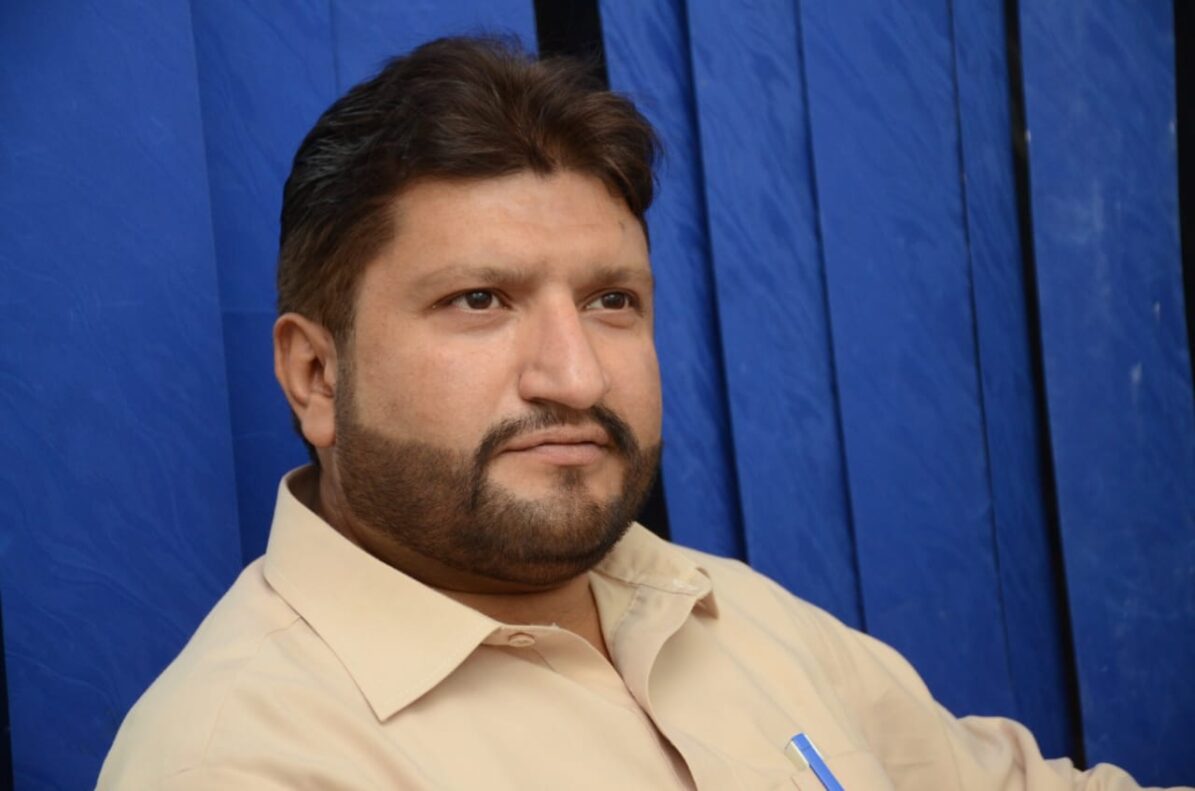
Amjad Hadi Yousafzai
The viral videos allegedly showing female students modeling at the University of Peshawar are no longer merely an issue of a single university event; they have become a mirror reflecting the deep contradiction between our societal claims and ground realities. At a time when the ruling class repeatedly projects the slogan of “Riyasat-e-Madina” as its political and moral identity, such incidents within state-run educational institutions force the public to question whether the real problem lies in slogans—or in intention and action.
The formation of a fact-finding inquiry committee following the incident at the Institute of Health Sciences’ welcome party appears, on the surface, to be a responsible step. However, past experience compels us to ask whether this committee will genuinely uncover the truth and lead to reform, or whether it is merely a formal exercise aimed at easing temporary pressure. In our universities, such inquiries often disappear from public view within days, ultimately buried in files without consequence.
The real question is not whether modeling took place in the video or not. The real issue is what welcome parties in educational institutions have turned into. Are these events meant to promote learning, culture, and positive engagement—or have they become platforms for mindless entertainment and social-media virality? If universities themselves fail to define and enforce their own boundaries, values, and codes of conduct, how can society at large be expected to uphold moral discipline?
Such incidents leave deeply negative impacts on society. On one hand, the younger generation receives the message that values and limits are meaningless; on the other, women are once again subjected to criticism and character assassination, while those truly responsible often remain safely in the background. Emotional outrage on social media, the selective use of religion and morality as weapons, followed by collective silence after a few days—this is the very definition of our social hypocrisy.
The concept of Riyasat-e-Madina cannot be implemented through slogans, speeches, or posters alone. It demands transparent accountability, clear policy, and uncompromising enforcement. If the government and educational institutions are truly serious, they must Establish clear codes of conduct for university events,
Hold administration, faculty, and students equally accountable,
Make inquiry reports public, and
Prioritize long-term reform over short-term expediency.
We must also ask, should every welcome ceremony follow the same pattern? Can we not celebrate joy while preserving our culture, traditions, and academic dignity? If the answer is no, then the issue is not one university or one video, it is a crisis of our entire value system.
In the end, the question troubling every conscious citizen remains the same:
Will this committee set a precedent—or will it become just another closed file after a few days?
And will we ever move beyond slogans to truly decide to become a responsible and dignified society?
This decision does not rest with the government or university administration alone, it is a collective responsibility we must all share.







Leave a Reply