

Special Correspondent
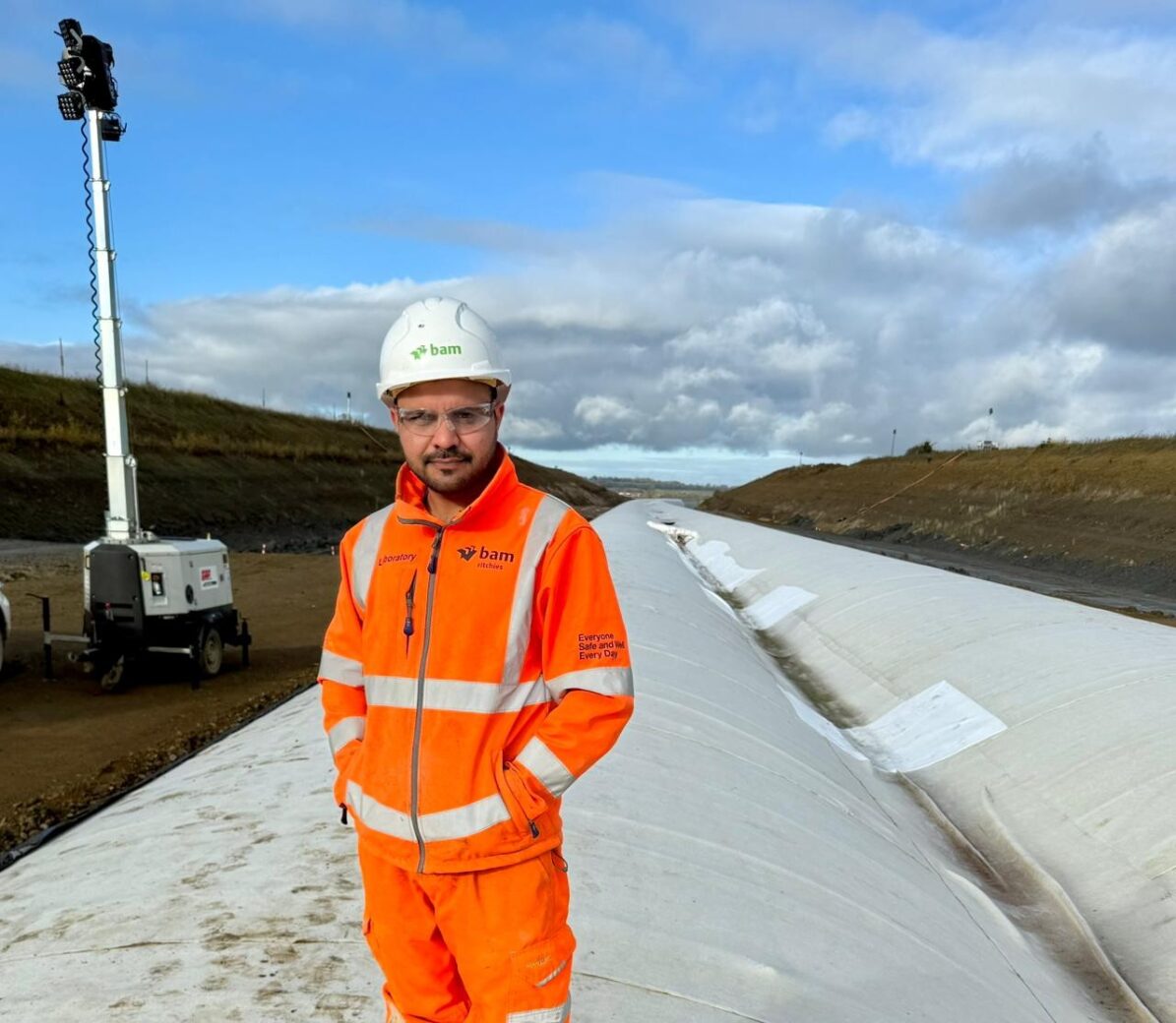
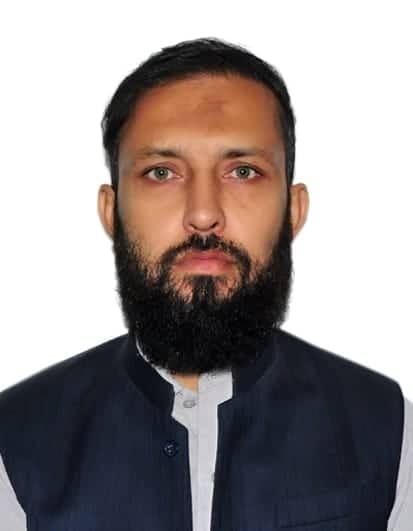
In the heart of one of Europe’s largest infrastructure projects, the UK’s HS2 high-speed rail network, works a young engineer whose story spans continents. Muhammad Hilal’s journey from Pakistan’s lecture halls to the cutting edge of sustainable transport is a testament to ambition, resilience, and global opportunity.
“I always believed engineering is about solving real-world problems,” Hilal says, recalling his early years at Sarhad University of Science and Information Technology, where he earned his bachelor’s degree in civil engineering (2016–2020) with overall distinctions. “Those years shaped the way I think as an engineer.”
Seeking to broaden his expertise, Hilal moved to the United Kingdom for a master’s degree in civil engineering at Leeds Beckett University. Graduating with Merit, he focused on sustainable and fiber-reinforced concrete, research now nearing publication.
“Sustainability is no longer optional in construction,” he emphasizes. “It’s the future.”
Professionally, Hilal’s experience spans highways, bridges, and high-rise buildings, preparing him for complex, large-scale projects. Today, as part of BAM Nuttall under the EKFB joint venture, he contributes to HS2’s Ground Engineering team, working on major structures like the Great worth Green Tunnel, Chipping Warden Green Tunnel, and multiple green overbridges.
“Being part of HS2 is both challenging and rewarding,” he says. “You’re not just building infrastructure; you’re shaping how future generations will travel.”
The Role of Green Tunnels in Climate-Responsive Infrastructure
Green tunnels are more than engineering feats, they are environmental solutions. By integrating vegetation and earth cover, they reduce surface heat, control noise pollution, improve air quality, and lower carbon emissions. “They protect ecosystems while enabling efficient transport,” Hilal explains.
A Policy Message for Pakistan’s Engineers and Decision-Makers
Hilal believes Pakistan urgently needs green tunnel systems across highways, motorways, and urban corridors to combat rising temperatures, air pollution, and environmental degradation.
“The HS2 experience shows how such infrastructure can be designed and maintained at scale,” he says. “This knowledge must now be transferred to Pakistan through policy support, engineering capacity-building, and sustainable investment.”


Leave a Reply