

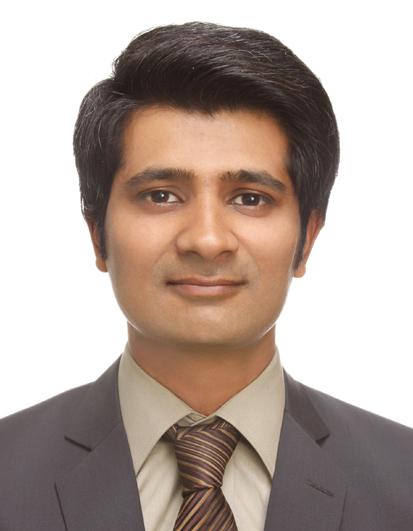
Writer: Aashan Latif
Gender equality is more than just a legal or moral principle—it is a fundamental human right. It ensures that every individual, regardless of gender, has equal access to resources, opportunities, and decision-making. It also guarantees the freedom to express one’s gender identity without fear of discrimination or oppression. In essence, gender equality is central to the creation of a just and equitable society.
In Pakistan, the constitution enshrines gender equality, but the reality on the ground often tells a different story. Despite the legal protections in place, societal norms and deep-rooted biases continue to hinder women’s full participation in the country’s social, political, and economic life. Achieving gender equality is not just a matter of fairness—it is a crucial factor in driving national development.
Constitutional Guarantees: What the Law Says
Pakistan’s constitution contains clear provisions aimed at ensuring equality for all citizens, irrespective of gender. Article 25, for example, states that “all citizens are equal before the law,” and that “no person shall be discriminated against on the basis of sex.” It also guarantees equal protection under the law, which is vital for women and marginalized groups seeking justice and fairness.
Additionally, the constitution provides special protections for women and children. The right to free and compulsory education for children between the ages of 5 and 16 is a significant step in ensuring that both boys and girls have equal access to education. Similarly, the 8th and 27th Amendments prohibit gender-based discrimination in employment and government services. These provisions set a strong foundation for building a more equitable society, but their full implementation remains a work in progress.
Gender Equality and Economic Growth
Beyond its moral and legal implications, gender equality plays a critical role in economic prosperity. Studies worldwide have shown that when women are given equal access to education and employment, it leads to greater economic productivity, higher national income, and overall social well-being.
In Pakistan, however, gender inequality continues to hold the country back. Despite the increasing number of women entering higher education, their participation in the workforce remains disproportionately low. This is not only a waste of talent but also an obstacle to economic progress. By excluding half of the population from fully participating in the economy, Pakistan is missing out on a significant opportunity for growth.
When women are empowered to contribute economically, the entire nation benefits. Studies have consistently demonstrated that gender-inclusive economies grow faster and are more resilient. In Pakistan, creating equal economic opportunities for women could be a game-changer in the fight against poverty and unemployment.
Education: Progress but Barriers Remain
One of the more positive developments in Pakistan’s pursuit of gender equality is the increasing success of girls in the education system. Girls are outperforming boys in many regions, and they consistently achieve top positions in educational boards across the country. This trend signals a shift toward greater empowerment and greater opportunities for young women.
However, despite their academic successes, women face significant barriers when it comes to employment. Discrimination in hiring practices, unequal pay for equal work, and limited career advancement opportunities continue to plague women in the workforce. Many women who excel in their education find themselves relegated to lower-paying, less prestigious jobs, while the top positions remain dominated by men.
This disparity highlights a significant gap between educational achievement and professional opportunity—a gap that is perpetuated by cultural biases, social norms, and an ingrained gender divide in the workplace.
The Link Between Gender Equality and Social Justice
Gender equality is also essential for broader social justice. When gender-based discrimination exists, it doesn’t just affect women—it affects the entire society. Discrimination restricts access to opportunities and services like healthcare, education, and employment, and contributes to social unrest and inequality.
A society that allows one gender to be systematically disadvantaged is not just unjust—it’s also unsustainable. Social progress cannot be achieved in such an environment. Ensuring gender equality is therefore not only a matter of moral responsibility; it is key to creating a just and stable society. By ensuring equal rights and opportunities for both men and women, Pakistan can lay the groundwork for a more cohesive, prosperous future.
Conclusion: Moving Beyond Legal Protections
While Pakistan’s constitution guarantees gender equality, the practical implementation of these rights remains a challenge. Legal provisions alone are not enough to break the deeply ingrained barriers that continue to hold back women in Pakistan. For true gender equality to be achieved, there must be a sustained effort to change cultural attitudes, improve access to opportunities, and enforce the laws that are already in place.
Gender equality is not just a women’s issue—it is a national issue that affects every citizen. By ensuring equal access to education, employment, and decision-making, Pakistan can unlock its full potential and build a more prosperous future for all. The time to act is now—because when men and women work together as equals, the entire nation stands to benefit.

Leave a Reply