


Rising taxes squeeze masses and businesses across Pakistan.
Tariq Khattak
ISLAMABAD (October 27, 2025)
Prominent business leader and former president of the Islamabad Chamber of Commerce, Shahid Rashid Butt, has emphasized the urgent need for economic growth in Pakistan. He pointed out that the current situation is dire, with unemployment, uncertainty, and financial crises deepening in the country. Both federal and provincial governments are increasing expenditures instead of cutting them, exacerbating the economic challenges.
He highlighted the plight of the citizens, stating that the extraordinary tax hikes, intended to boost revenues, have instead paralyzed the economy and left the public in distress.
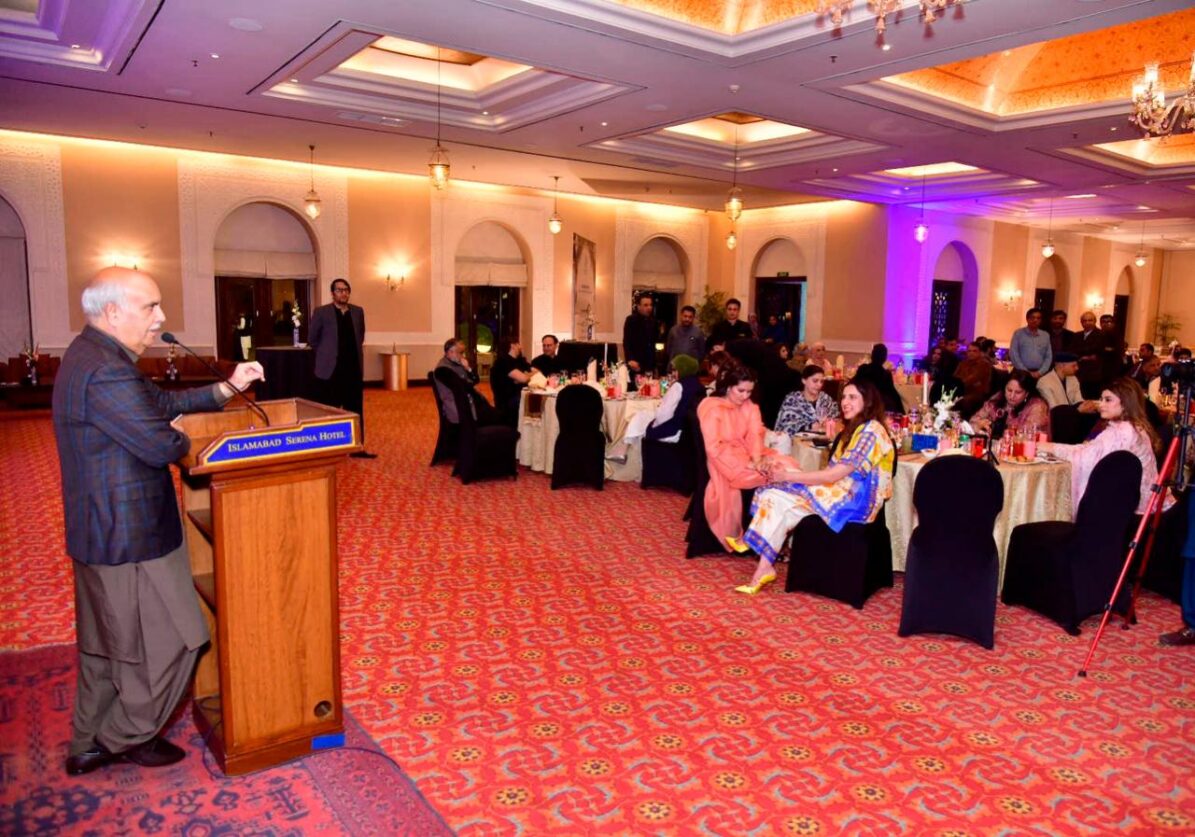
Addressing an emergency meeting of traders and industrialists, Butt said that although the government managed to avert default, the public is paying the heavy price of that “achievement”. He noted that the corporate sector is taxed up to 61 percent, while salaried individuals face as much as 40 percent, an unfair burden that has pushed both the middle and business classes to the brink of bankruptcy.
He questioned why any foreign investor would choose Pakistan, where tax rates and energy prices are among the highest in the world. He said that major foreign companies are exiting Pakistan, while the government continues to issue “good news” statements daily to divert attention from the ground realities.
The business leader added that the government has neither implemented pension reforms, nor reduced its size, nor advanced the privatization process, leading to rising fiscal deficits. Public income and purchasing power are shrinking, and hundreds of thousands of young Pakistanis are risking their lives to migrate abroad for better opportunities.
Shahid Rashid Butt lamented that countries that once admired Pakistan have now left it far behind in the race for economic development. He underscored the need for Pakistan’s decision-makers to recognize the urgency of fundamental reforms to steer the country back on the path of economic progress.
He warned that without bold structural reforms and fiscal discipline, Pakistan’s economy will remain trapped in stagnation and debt. He urged the government to cut non-development spending, reform tax administration, and create a predictable policy environment to restore business confidence as ad-hoc measures and excessive borrowing can no longer sustain the economy. “Unless growth becomes inclusive and policy consistent,” he cautioned, “the cycle of crisis will continue.”




Leave a Reply