

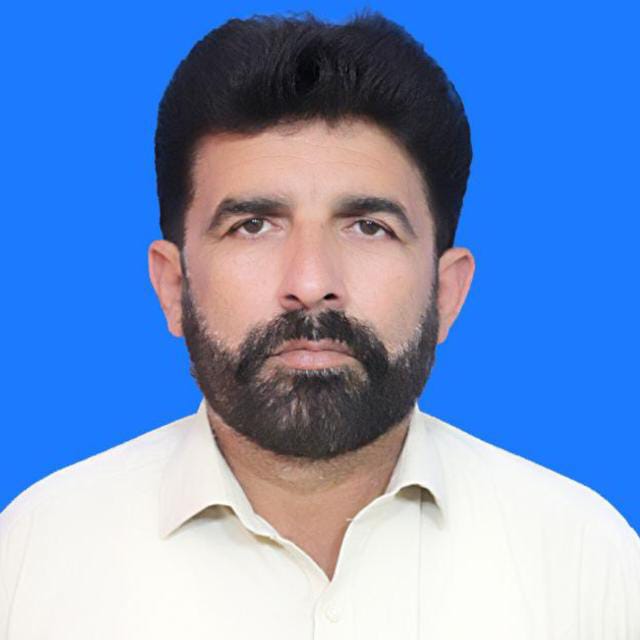
Rauf Khattak
There comes a time in the life of every region when its wounds cry out louder than its people. Karak, a district blessed with natural wealth and an unforgivingly resilient population, now stands at such a moment. A land that has given billions in oil and gas revenues to the national treasury is today gasping for survival—economically, socially, and morally. What makes this decline more agonizing is not the scarcity of resources but the abundance of silence. Silence from the very leaders who promised progress, silence from the political elders who vowed to defend the rights of this land, and silence from those who once claimed to be the guardians of Karak’s destiny.
Karak is drowning—not in water, but in negligence. Not in storms, but in political apathy. Not in poverty alone, but in the betrayal of those who had power but not the courage to wield it responsibly.
A Land of Wealth, A Life of Deprivation
It is a tragic irony that a district generating billions through oil and gas extraction remains one of the most deprived regions of the province. Karak’s natural resources were expected to spark a local renaissance—roads repaired, schools modernized, hospitals upgraded, employment generated, and the district transformed into a model of prosperity. Instead, the opposite has unfolded. The very wealth that should have become a blessing has become a haunting symbol of unfulfilled promises.
The roads narrate the story before any person can. Cracked, eroded, and dangerous, they reflect years of abandonment. Hospitals, instead of being symbols of relief, have turned into places where hope goes to die. Schools still operate with outdated methods, insufficient teachers, and inadequate infrastructure. Water scarcity haunts even those who live near resource extraction sites. The contrast between what Karak gives to the country and what it receives is not just stark—it is a deep injustice.
Natural wealth should be a blessing. In Karak, it has been turned into a paradox. The people watch gas pipelines flowing outward while basic necessities fail to flow inward.
The Resource Curse, Rewritten in the Language of Neglect
Economists often speak about the “resource curse,” a phenomenon in which regions rich in natural resources become economically stagnant due to corruption, mismanagement, and political exploitation. Karak is the new face of this textbook tragedy. The resource curse here is not theoretical—it is lived. It breathes. It shapes daily life.
One might argue that revenues have been distributed, but the ground reality exposes the hollowness of such claims. Billions enter the system, but the district remains in tatters. No strategic planning, no long-term vision, no transparent utilization of funds. The few development schemes that are initiated either fail to complete or lack the quality needed to endure.
Perhaps the greatest tragedy is that the people have come to expect so little from a land that gives so much.
Where Are the Voices That Once Promised Change?
In moments of crisis, leadership defines itself not by words but by presence. Unfortunately, Karak’s leadership—across political divides—has chosen absence. The political elders, who once stood before crowds claiming to be the torchbearers of progress, now prefer the comfort of silence. Their lips remain sealed, their influence unused, their authority unexercised.
The district’s representatives, who were entrusted with the sacred responsibility of protecting the region’s interests, have shifted their focus elsewhere. Party loyalists, who once roared from public stages about reform, are now busy safeguarding their own political relevance. Even more troubling is the silence of the influential “party seniors”—the large figures who know they can influence policy but choose not to exert their weight.
This silence is not merely political cowardice. It has become moral failure.
When a region is abandoned by its leaders, despair becomes its companion. The people of Karak deserved better—and they still do.
The Weight of Lost Hope
Hope is a fragile thing. It grows slowly but dies quickly. For years, Karak’s people held on to hope—hope that the revenues would finally translate into development, hope that promises would one day become projects, and hope that their children would inherit a region far better than the one they grew up in.
That hope is now fading.
Young people, disillusioned by lack of opportunities, continue to migrate to other provinces and foreign countries. Not because they desire to leave home, but because home has left them behind. Communities once full of resilience now echo with resignation. The once vibrant spirit of collective progress has dimmed under the weight of political neglect.
Oil and gas wealth was supposed to secure Karak’s future. Instead, every year feels like a step backward.
The Question of Accountability
Editorials have a duty—not simply to describe but to question.
And the questions here are many:
Where has the oil and gas money gone?
Why is Karak at the bottom of the development ladder despite being one of the province’s biggest revenue generators?
Who is responsible for this decline?
Why have local leaders and party elders remained silent?
Why has no credible, transparent audit been presented to the public?
Why has no one been held accountable for the misuse or mismanagement of funds?
The people do not ask for miracles. They ask for justice. They ask for transparency. They ask for a voice that speaks for them, a hand that pulls them from the quicksand of neglect.
A Chronicle of Structural Failure
The issues in Karak are not isolated—they are structural. A combination of political, administrative, and institutional failures has created a cycle of stagnation. Development begins only to stall. Projects are announced only to be abandoned. Promises are made only to be forgotten.
Take infrastructure: It is not merely inadequate—it is crumbling. A district generating billions should not have roads that crumble at the first drop of rain.
Take healthcare: A region contributing so significantly to national wealth should not have hospitals that refer most cases to other cities due to lack of specialists or equipment.
Take education: Schools should not merely exist—they should evolve, innovate, and empower.
Take employment: Youth should not have to leave their land to survive; they should be able to thrive where they were born.
Every one of these failures is not a natural consequence—it is a choice. A choice by those in power to look the other way.
Silence as Complicity
Whenever a community suffers due to the inaction of its leaders, silence becomes more damaging than any spoken lie. The political elites, both current and former, cannot absolve themselves from responsibility through inaction. The elders of political parties—those who have influence, networks, and authority—cannot pretend that this decline does not concern them.
Silence has become a convenient shield. But shields cannot hide the truth forever.
The People Will Eventually Speak
History teaches us that people may tolerate injustice for a time, but not forever. When their patience runs out, their silence transforms into a collective voice—one that history remembers, one that reshapes destinies.
If Karak continues to be pushed into economic and social darkness, the people will eventually rise—not with violence, but with political clarity. Their votes will reflect their anger. Their choices will reflect their disillusionment.
Leaders who remain silent today may find themselves without an audience tomorrow.
A Path Forward — If Only Courage is Found
Karak does not need charity. It needs justice. It does not need favours. It needs planning. It does not need speeches. It needs implementation.
A credible solution requires:
Transparent auditing of all oil and gas revenues
A detailed public report on expenditure
Independent monitoring bodies for development projects
Urgent infrastructure rehabilitation
Investment in schools, hospitals, and clean water programs
Empowerment of local governance structures
Political accountability—beyond rhetoric
None of this is impossible. What is missing is the will.
Conclusion: Karak Must Not Be Allowed to Sink
Karak stands today on the edge of a precipice. A region that fuels the nation must not be left to drown in neglect. The people of Karak have endured more than most communities—harsh climate, difficult geography, limited opportunities, and above all, political abandonment.
But they are not weak. They are not voiceless. They are not forgotten—unless their leaders choose to forget them.
This editorial is not merely a critique; it is a reminder. A call. An appeal.
Karak deserves better.
Karak demands better.
Karak must not be abandoned to the tides of indifference.
If leadership fails today, history will remember not only the decline of a district, but the silence of those who let it drown.





Leave a Reply