

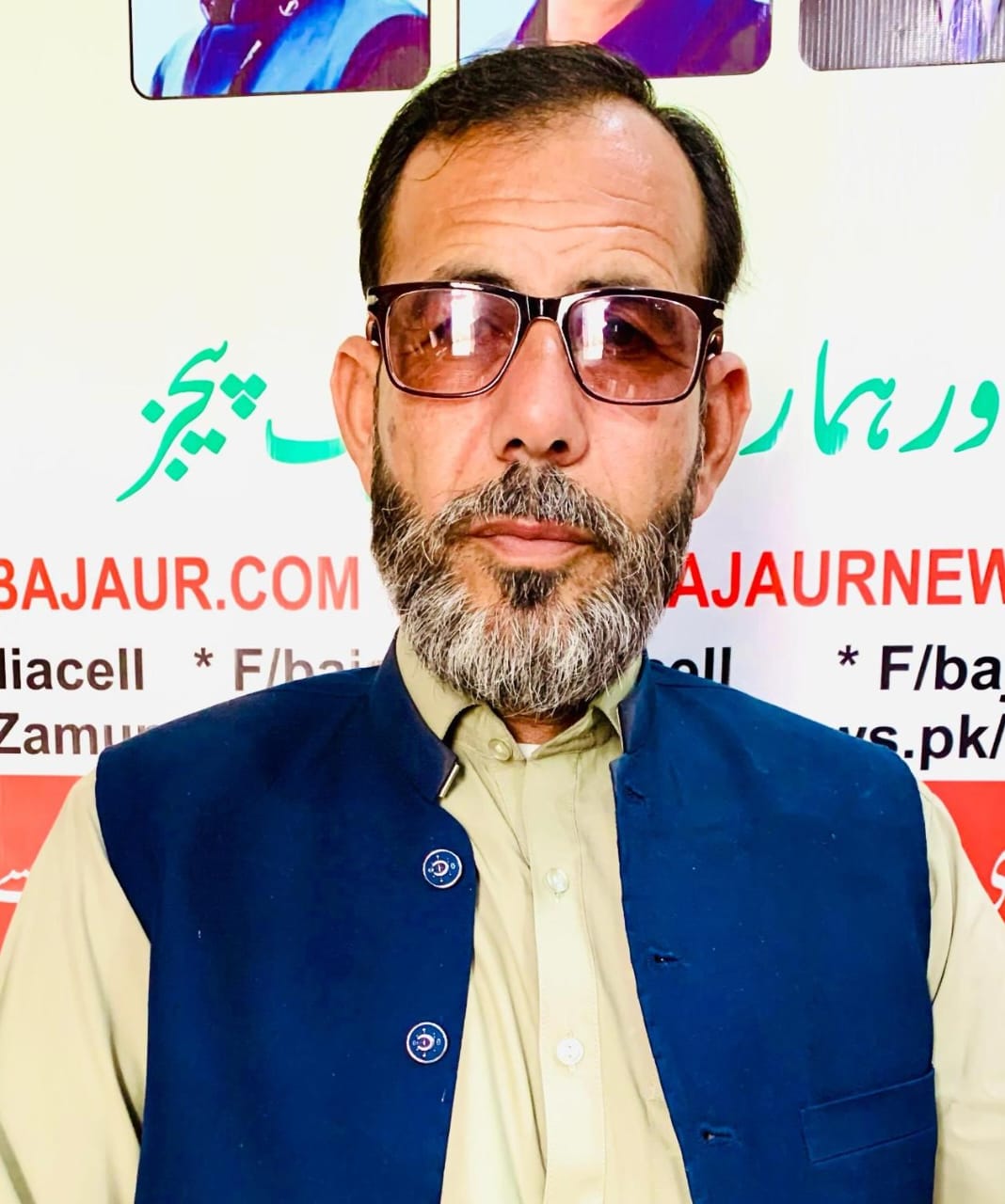
By: Anwarzada Gulyar
The Tehsil Municipal Administration (TMA) — often abbreviated as TMA — serves as a vital arm of public service that maintains the basic infrastructure of life at the tehsil level. From sanitation to water supply, drainage systems to market regulation, and road construction to the upkeep of public recreational spaces — the TMA remains actively engaged in every task that makes urban life easier, safer, and more livable.
Before the merger of the tribal areas with Khyber Pakhtunkhwa, such institutions were unheard of. Most administrative matters were handled by the political administration, tribal jirgas, or local elders. However, with the introduction of the local government system after the merger and the establishment of TMAs, a new chapter of public service and local development began — one that opened doors to civic empowerment and grassroots progress.


For Bajaur, the early days were particularly challenging. Scarcity of resources, lack of trained personnel, and limited public awareness all combined to test the institution’s resilience. Yet, the TMA Khar overcame these hurdles with vision, planning, and dedication — an effort truly worthy of appreciation.


According to Muhammad Javed Betni, serving as TMO Khar, the TMA assumed several administrative powers from the district administration after the merger. Today, taxi stands, vegetable markets, rickshaw stations, and various bazaars fall under its jurisdiction.
The strengthening of local bodies in Bajaur owes much to the effective leadership at the provincial level. Khyber Pakhtunkhwa Minister for Local Government, Arshad Ayub, took special interest in restructuring local institutions in the merged districts and ensuring the release of funds. His initiatives granted TMAs financial and administrative autonomy. Likewise, Secretary Local Government Saqib Raza implemented key reforms to strengthen local governance across the province — reforms that have yielded visible results in Bajaur. Waheed ur Rehman, Secretary of the Local Council Board, also took practical steps to improve financial discipline, human resource efficiency, and revenue transparency, setting a path toward self-reliance for local bodies across several tehsils, including Bajaur.


Under the guidance of Deputy Commissioner Bajaur, Shahid Ali Khan, and Assistant Commissioner Dr. Sadiq Ali, the TMA Khar has achieved remarkable success in maintaining cleanliness, removing encroachments, and improving civic services. Both officers not only provided administrative support but also played a key role in enhancing institutional performance through regular field visits and prompt resolution of public complaints.
As an elected representative, Tehsil Chairman Haji Syed Badshah has played an active role in advancing municipal priorities and development schemes. His cooperation has been instrumental in beautification drives, road construction, and cleanliness campaigns.
Amidst limited manpower and funding constraints, TMO Muhammad Javed Khan Betni has emerged as a driving force behind the institution’s success. Under his leadership, TMA Khar revitalized its sanitation system, ensuring daily cleaning of bazaars, streets, and main roads, effective drainage, proper waste disposal, and improved access to clean water. Acting on the directives of the provincial government and DC Bajaur, the TMA has established a new standard for cleanliness across the district.


In areas lacking drinking water, water tankers and plastic storage tanks have been provided. Solar sensor lights have been installed at Malaklai and Khar graveyards to maintain illumination during nighttime. Moreover, significant progress has been made in road cleaning, encroachment removal, and small-scale construction projects. During the recent cloudburst in Salarzai, damaged roads were repaired and reopened for public use — a move that provided much-needed relief to the affected population.
Beyond infrastructure, TMA Khar has also demonstrated a deep sense of humanitarian responsibility. For displaced families in Mamond, the administration ensured cooked meals, clean water, restored electricity, and provided generators and fuel during load shedding — clear evidence that this institution’s mission extends far beyond municipal duties, embracing the broader cause of human service.


Interestingly, the TMA Khar has not received any government grant for the past two years. Despite this, it continues to function effectively, generating its own revenue through market fees, taxi stands, leased properties, and other local sources, enough to sustain daily operations and sanitation programs. According to TMO Betni, daily-wage sanitation workers will soon be appointed in different markets to ensure consistent cleanliness. A water bowser is also being introduced for daily street and road sprinkling to reduce dust and maintain a pleasant environment.
Promoting social harmony, the TMA has also decided to include members of the Christian community in its sanitation workforce — a commendable step that fosters inclusivity, mutual respect, and brotherhood.


Looking ahead, TMO Betni plans to organize a large livestock fair in Bajaur’s Gaddafi area — an event aimed at boosting the local economy and providing wholesome recreation for the public. His other upcoming projects include market beautification, streetlight installation, and the development of a new recreational park, which will offer residents a cleaner, greener, and more modern environment.
If institutions like TMA Khar continue to work with the same passion, integrity, and commitment to public service, the day is not far when Bajaur will stand alongside Pakistan’s major cities — equipped with modern civic amenities, bright streets, and a vibrant urban culture.
This is the story of an institution that, despite limited means, remains full of determination — an organization that continues to shine light through dust and darkness, to make life better for its citizens and secure a brighter future for Bajaur.

Leave a Reply