

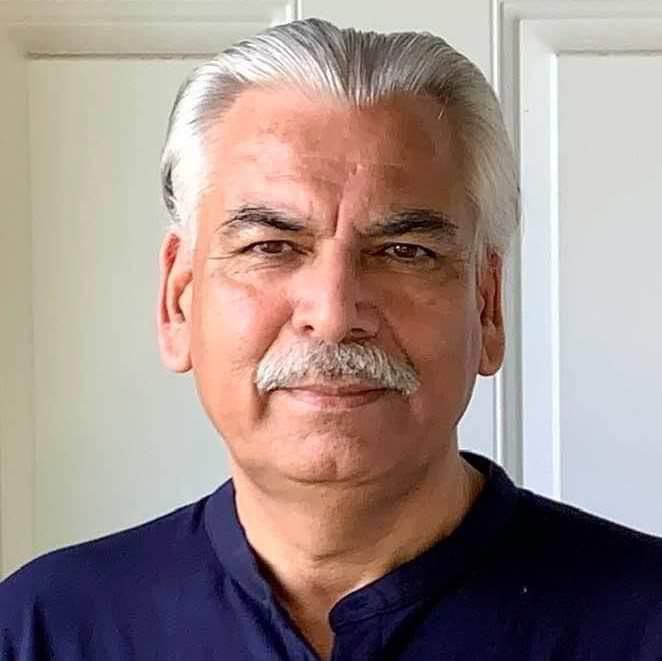
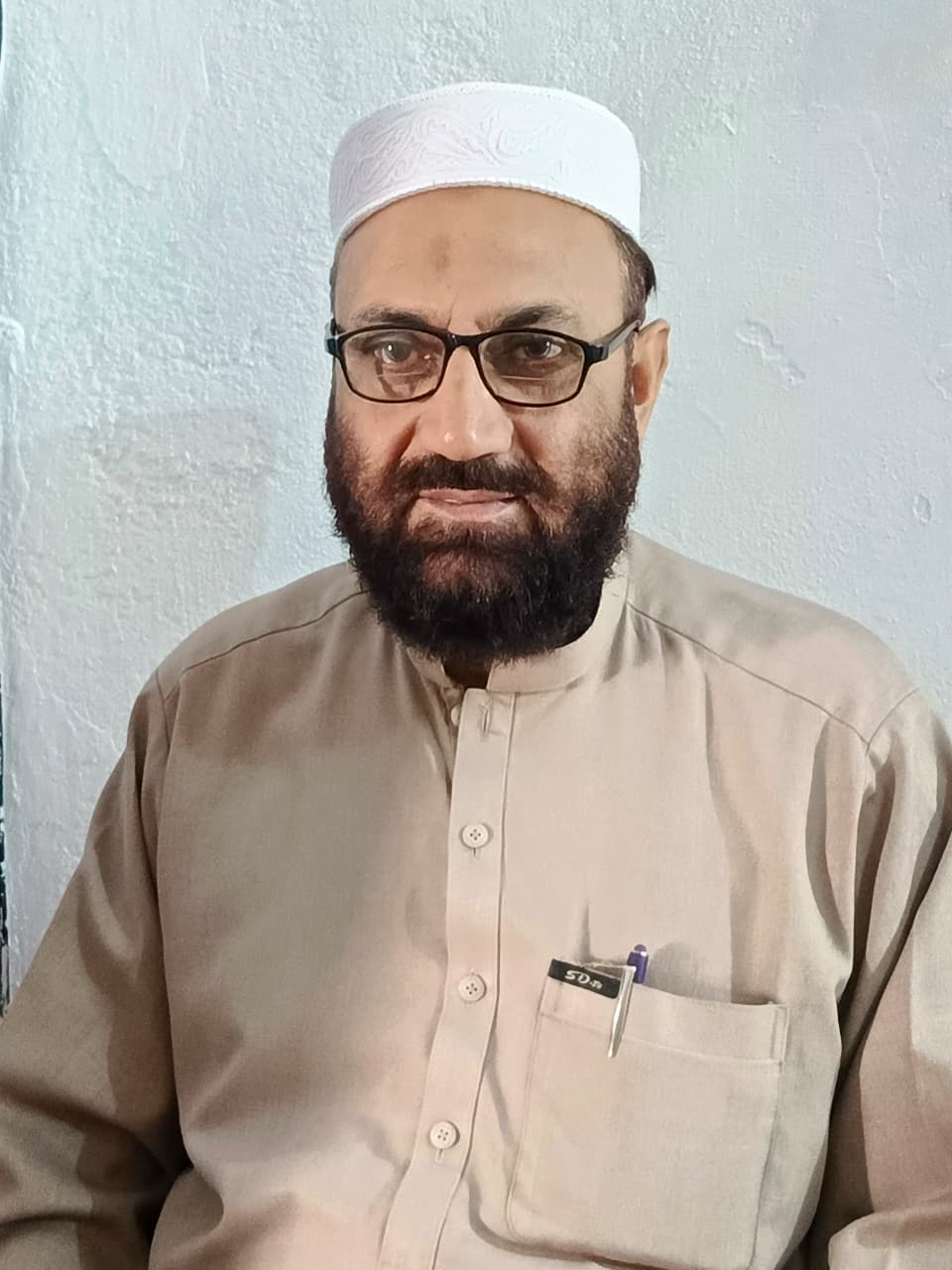
Barrister Usman Ali , Ph.D.
After reports of differences with the founder chairman Imran Khan’s wife and sister, Ali Amin Gandapur was removed as Chief Minister of Khyber Pakhtunkhwa.
PTI Chairman Barrister Gohar, Secretary General Salman Akram Raja, and other leaders proudly hailed the move as “Khan’s order.” Gandapur himself resigned, saying he was merely complying with “Khan’s command.”
Before this order was issued, no meeting of the party’s central or provincial committees was held, nor were the assembly members who had elected Gandapur consulted. One man decided , and the rest, like obedient subordinates, complied.
That is the tragedy of Pakistan’s politics. Party constitutions, offices, and consultative bodies exist only as formalities. In every major political party, power rests not with institutions but with individuals or families. Leaders do not lead , they rule. Dissent is disloyalty, and the unwritten law is simple: obey every order, or leave the party.
For any genuine political worker, blind obedience should be a matter of shame, not pride.
PTI, once projecting itself to be the flag-bearer of merit, transparency, and an end to dynastic politics, has itself become the victim of personality cults. Internal elections have turned symbolic; key positions are distributed through flattery rather than competence. Lawmakers see themselves answerable not to voters but to “Khan Sahib.” Dissent is punished, not debated.
Even with the chairman imprisoned, orders are said to flow from him, no matter how impractical. This reflects a deeper political malaise , the confusion between personal authority and institutional legitimacy.
Imran Khan long mocked dynastic politics, yet under his rule, his spouse wielded influence in both governance and party affairs, from government appointments to Senate tickets. His sisters also interfered openly. The result is an internally divided party eroded by personal factions.
But this pattern is not unique to PTI. The same disease runs through every party, whether national or regional , PML-N, PPP, JUI-F, ANP, BNP (Mengal), PkMAP, MQM, and BAP , where democracy survives only as a slogan.
In PML-N, leadership remains confined to the Sharif family. Nawaz Sharif is the supreme leader, Shehbaz Sharif the Prime Minister, and Maryam Nawaz , now Punjab’s Chief Minister , is already being groomed as successor. Dissent is suffocated; decisions are made not in parliamentary boards but in the drawing rooms of Jati Umra, while committees merely rubber-stamp them.
The Pakistan Peoples Party, once an ideological movement of the masses, has become a family enterprise. In Sindh it rules, but not through ideas , through inheritance. Its internal elections are ritualistic, its consultations selective, and real decisions never leave Bilawal House. The “people’s party” has turned feudal in structure and loyalty.
In JUI-F, power is concentrated in Maulana Fazlur Rehman’s hands, with brothers and sons playing key roles. The Majlis-e-Amla and Majlis-e-Shura are ceremonial; dissenters are expelled or marginalized.
The Awami National Party has remained a one-family institution for decades. Aimal Wali Khan now leads it, but internal elections are uncontested and predetermined. Once the voice of Pashtun identity, the ANP now clings to a handful of constituencies.
The Balochistan National Party (Mengal) is no different. After Ataullah Mengal, leadership passed to Akhtar Mengal, around whom all decisions revolve. The same applies to the Pashtoonkhwa Milli Awami Party, long dominated by the Achakzai family.
Where dynasties don’t exist, democracy still doesn’t. The MQM revolved around one man, Altaf Hussain. Orders came from London and were executed in Karachi. One phone call could make everyone sit, stand, or endure verbal abuse; no one dared to disagree with “Bhai.” After his fall, faces changed but the structure didn’t, now the same obedience is directed toward the establishment.
The Balochistan Awami Party (BAP) is the newest manifestation of this pattern. Created months before the 2018 elections, it had no public base yet instantly entered government. Its formation is widely seen as an act of political engineering. With no ideology or democratic structure, its loyalties remain tied not to the people but to power brokers.
Thus, most of Pakistan’s parties , national or regional, religious or secular, have transformed into tribal or personal fiefdoms. Their leaders act like monarchs; the rest are subjects. Institutions, titles, and consultative councils are symbolic. Decisions are made by signal, not by system; leaders don’t lead , they command.
If democracy is to be strengthened, reform must begin within parties. They must build genuine membership systems and hold regular, transparent intra-party elections under independent oversight. The Election Commission must enforce its rules, and leadership must be made accountable to workers. Parties that suppress dissent or reject internal democracy should face legal action.
Pakistan’s real problem is not leadership but institutional decay. We have failed to create political parties that can outlive their founders. Sharif or Zardari , Imran Khan or Fazlur Rehman, Akhtar Mengal or Aimal Wali ,all are monarchs within their parties, not democratic leaders. Until democracy takes root inside political parties, it will remain nothing more than a slogan at the national level. Here, the system bows not to the Constitution but to command, and that bitter truth is hollowing out the very foundations of the state.


Leave a Reply