

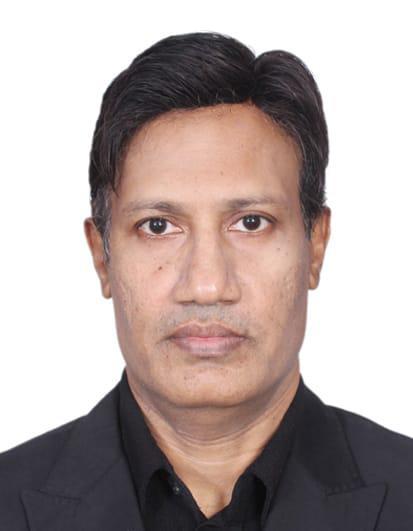
By Junaid Qaiser
Today, Pakistan faces security challenges that extend far beyond mere border conflicts or isolated acts of terrorism. These issues have morphed into a complex struggle involving ideas, perceptions, and psychological warfare. In this light, the recent emphasis on unity and consensus by Director General ISPR Lieutenant General Ahmed Sharif Chaudhry is not just timely—it’s a strategic necessity. A divided national narrative can weaken the state more effectively than any external threat.
The meeting between the DG ISPR and the National Paigham-i-Aman Committee (NPAC) signifies a crucial shift in our approach to security. Terrorist organizations like Fitna al Khawarij, Tehreek-i-Taliban Pakistan, and Tehreek-i-Taliban Afghanistan thrive on ideological confusion and societal division. Their strength lies not only in their arsenal but also in their capacity to manipulate religion, exploit grievances, and poison public discourse. To effectively counter them, we need more than military might; we require moral clarity and a cohesive narrative.
What makes this engagement particularly noteworthy is the strong connection between state institutions and religious leaders. The NPAC’s clear stance against terrorism in all its forms sends a strong message that violence can’t be justified by religion or morals. This clarity is crucial in a society where extremists have long tried to disguise their brutality with religious language. When respected religious figures openly reject these distortions, it helps reduce the space for radicalization. Equally important is acknowledging that mosques, madaris, and universities play a vital role in the fight against extremism. These places help shape values, identity, and social behavior. The commitment to fostering Islamic unity, social harmony, constitutional equality, and a zero-tolerance policy for hate speech isn’t just symbolic—it’s a form of preventive security.
A society built on inclusion and lawful dissent is much more resilient against extremist recruitment. The DG ISPR’s emphasis on public awareness and a truth-based narrative tackles another crucial aspect of modern conflict. Today’s adversaries invest heavily in misinformation and psychological tactics aimed at undermining trust between citizens and the state. To counter this, we need consistency, credibility, and a shared ownership of the national narrative. Security messaging won’t be effective if it’s limited to official briefings; it needs to be reinforced throughout civil society, media, and religious discussions.
This approach really resonates with the overall stance of our armed forces, as emphasized recently by Chief of Defence Forces and COAS Field Marshal Asim Munir. While having a zero-tolerance policy for threats to national security is crucial, relying solely on force won’t bring about lasting stability. Without a shared understanding among society, even the most effective operations can be undermined by doubt, misinformation, or internal divisions.
Pakistan’s reaffirmed stance on Kashmir and the victims of oppressed nations highlights the need for moral consistency. Supporting oppressed communities abroad while tackling extremism at home actually boosts our credibility instead of diminishing it. A nation that aims to advocate for justice must ensure that its internal narrative is grounded in law, compassion, and accountability. In the end, having a unified narrative doesn’t mean stifling debate or enforcing uniformity in opinions. It’s about agreeing on essential boundaries: terrorism, sectarian hatred, and takfiri violence have no place in Pakistan’s future.
The collaboration between the ISPR and NPAC serves as a reminder that national defense is a collective effort today. While soldiers protect our borders, it’s citizens, scholars, clerics, and communicators who uphold the essence of the nation. In a time when perception can be just as powerful as actual strength, Pakistan’s true security challenge lies in communicating with clarity, consistency, and a shared sense of purpose.



Leave a Reply