

Credit goes to civilian and military leadership
ISLAMABAD:
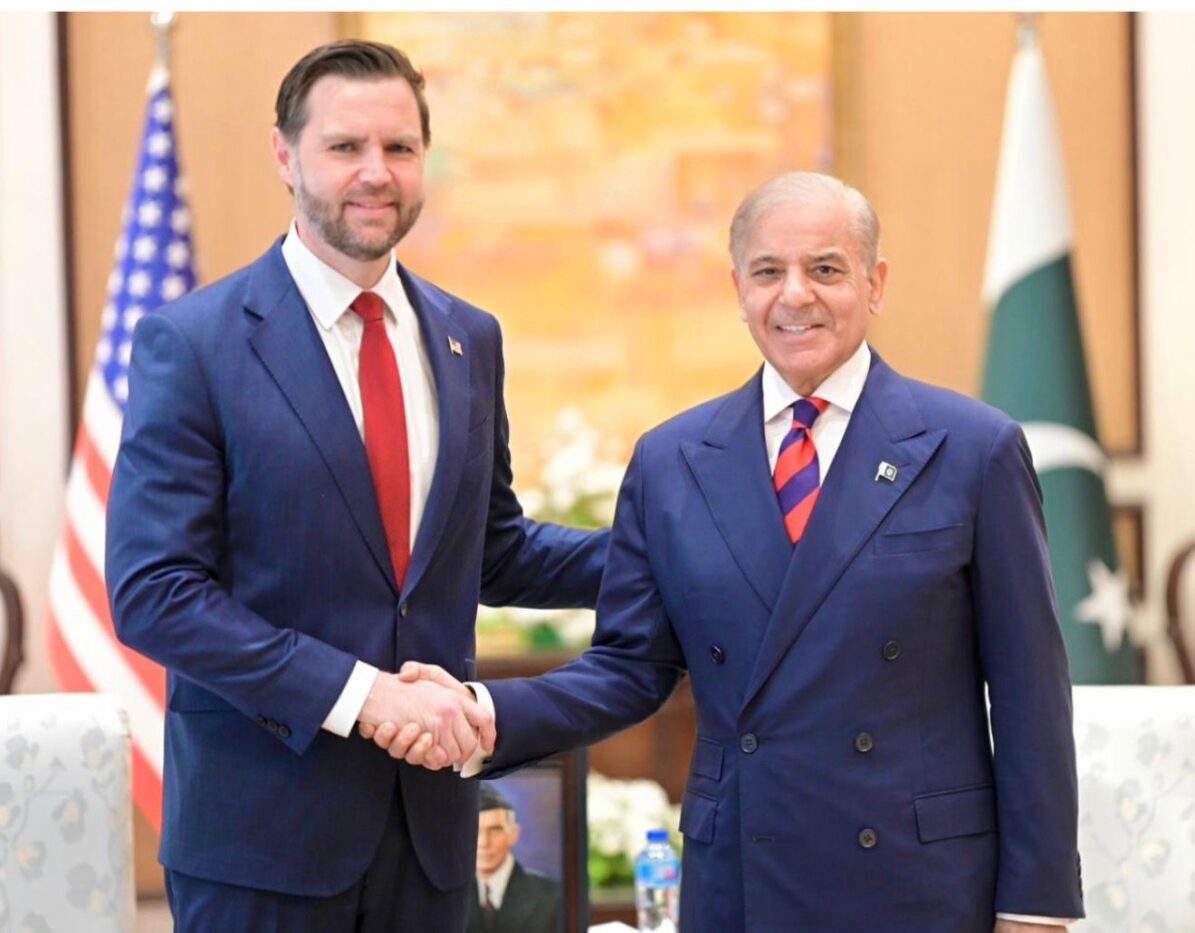
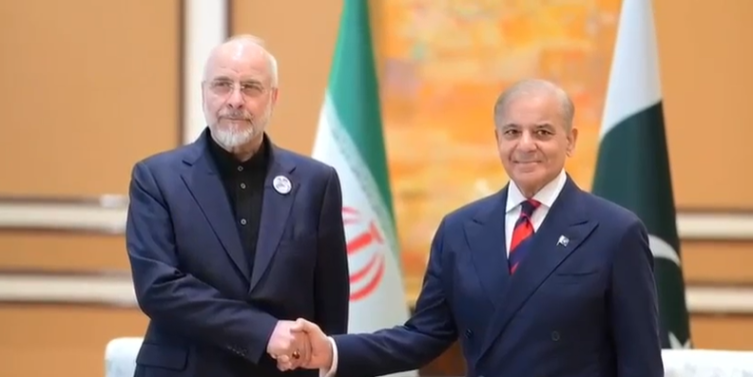
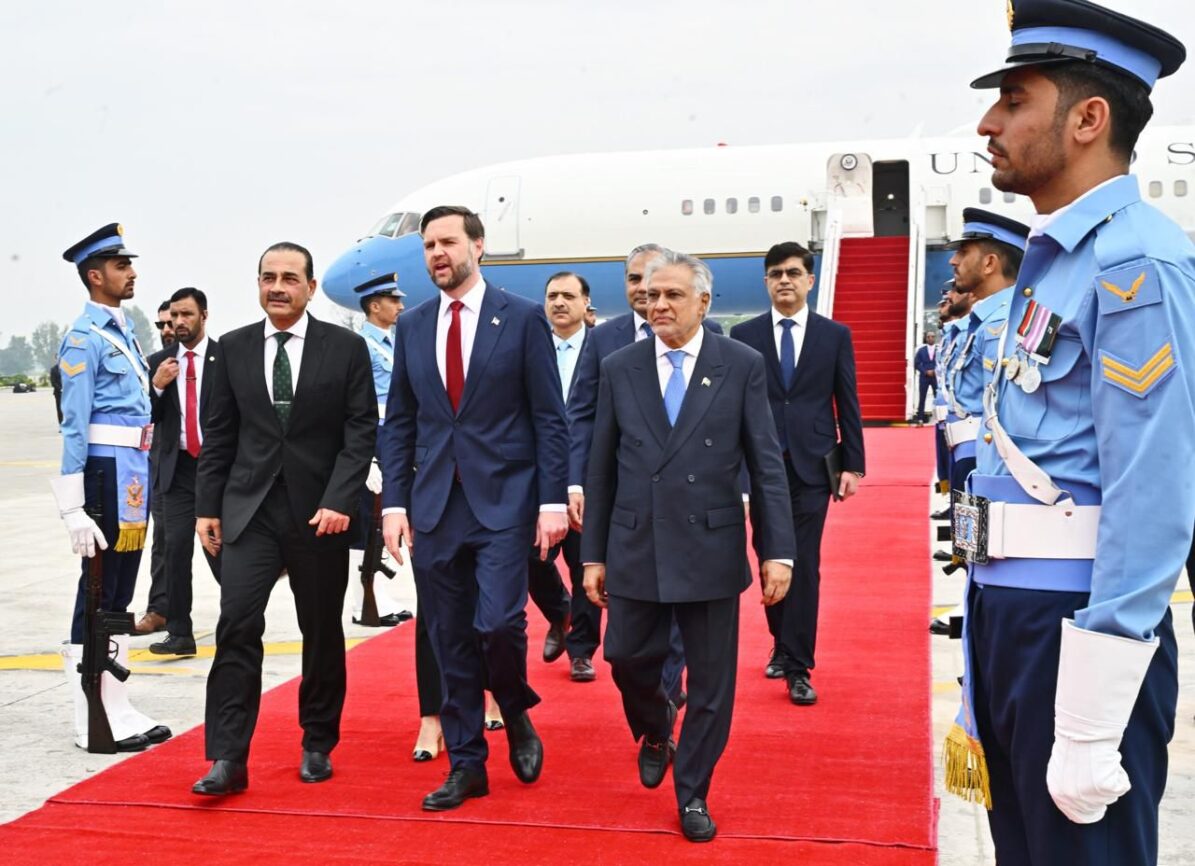
The United States and Iran concluded 21 hours of direct, high-level talks in Islamabad, marking their first face-to-face engagement since the 2015 nuclear negotiations. While the session ended without a final agreement, both sides signaled a willingness to continue dialogue, with Islamabad confirmed as the primary channel for future engagement.
Officials described the outcome as a pause rather than a breakdown, with diplomatic contacts expected to continue in the coming weeks. Analysts said sustaining dialogue itself represents a critical first step toward de-escalation after weeks of heightened tensions.
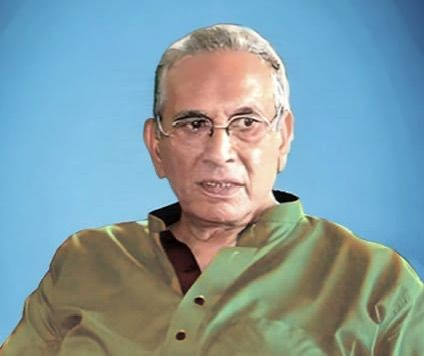
Business leader and former Islamabad Chamber of Commerce and Industry president Shahid Rasheed Butt said that, in a rare convergence, statements from Washington and Tehran acknowledged Pakistan’s facilitation role. Prime Minister Shehbaz Sharif and Chief of Army Staff Field Marshal Asim Munir were named in ceasefire-related communications, a move observers described as unusual given the deep mistrust between the two sides.
Butt noted that few countries command sufficient trust from both capitals to host such engagement. The talks coincided with a temporary ceasefire under which Iran confirmed it would allow the resumption of shipping through the Strait of Hormuz. The announcement triggered an immediate response in global markets, with oil prices easing and equities recovering. However, supply chain disruptions may persist for months even if maritime flows normalize.
For Pakistan, the developments carry direct economic implications. The country relies heavily on imported fuel, and any sustained decline in global oil prices could ease inflationary pressure and support the external account, both of which remain under strain amid ongoing fiscal consolidation and an IMF-supported programme. At the same time, uncertainty over the durability of the ceasefire continues to pose risks for energy costs and exchange rate stability.
Diplomatic representatives from China, Saudi Arabia, Qatar, and Egypt were present in Islamabad in indirect facilitation roles, underscoring the broad regional and global stakes in preventing further escalation.
Shahid Rasheed Butt added that while the diplomatic visibility may improve Pakistan’s global standing, tangible economic gains will depend on sustained regional stability and policy continuity at home.
Leave a Reply