

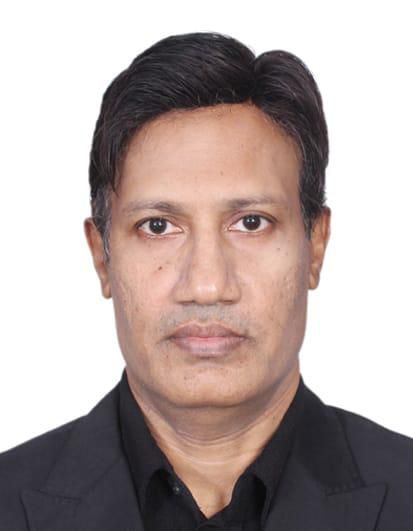
By Junaid Qaiser
Despite the high-level US-Iran peace talks in Islamabad ending without a conclusive agreement after 21 hours of intense discussions, Pakistan’s role as a host and earnest mediator has received widespread acclaim. The international community has praised Islamabad for its neutral facilitation, logistical prowess, and commitment to dialogue, all of which are seen as essential contributions to de-escalating the US-Iran conflict, maintaining a fragile two-week ceasefire, and paving the way for lasting peace in the Middle East.
In a region often characterized by suspicion and missed opportunities, Pakistan accomplished something both unusual and significant: it brought adversaries together in the same room. The presence of US Vice President JD Vance alongside Iranian leaders in Islamabad marked the first direct engagement of this nature in decades. This alone signals a quiet yet meaningful shift—one that was made possible by Pakistan’s ability to build trust across deeply divided lines.
What stood out most in the aftermath was not disappointment over the absence of a deal, but recognition of the process itself. Before departing, JD Vance was unequivocal in his praise, acknowledging that Pakistan’s leadership went “above and beyond” in facilitating the talks.
In his own words, “First of all, to the Prime Minister of Pakistan and to Field Marshal Munir, who were both incredible hosts. And whatever shortcomings of the negotiation, it wasn’t because of the Pakistanis who did an amazing job and really tried to help us and the Iranians bridge the gap and get to a deal.”
U.S. Vice President made it clear that any shortcomings in negotiations were not due to the hosts, who, in his words, “did an amazing job” in trying to bridge differences. Such remarks, delivered at a moment when diplomatic outcomes are often scrutinized, carry weight far beyond courtesy.
Pakistan’s role extended well beyond logistics. It created an environment where both sides could engage substantively, without posturing or pressure. This kind of diplomatic space is not easily manufactured—it requires credibility, discretion, and a consistent commitment to neutrality. Islamabad demonstrated all three.
The response from Pakistan’s leadership was equally important. Instead of viewing the talks as a lost chance, Foreign Minister Ishaq Dar focused on the importance of continuity. His message was straightforward: dialogue doesn’t just stop after one round, and Pakistan is dedicated to keeping the lines of communication open. By encouraging both sides to adopt a constructive mindset and stick to the ceasefire, he emphasized that progress in these kinds of conflicts happens gradually, not all at once.
The global reaction has been quite revealing. From regional capitals to international organizations, there’s been widespread recognition of Pakistan’s positive role. Countries throughout the Middle East and beyond have praised Islamabad for its efforts in securing the ceasefire and for maintaining a space where tough discussions can keep happening. Major international media outlets have also pointed out Pakistan’s rise as a credible mediator, capable of handling high-stakes diplomacy.

This recognition marks a significant shift in how Pakistan is viewed on the global stage. Once seen mainly through a narrow strategic lens, the country is now being recognized as a capable and responsible player in diplomacy. Its knack for hosting delicate negotiations, ensuring security, and maintaining a neutral stance has given it a fresh relevance in international matters. It’s important to note that just because a final agreement hasn’t been reached doesn’t mean progress hasn’t been made.
In the realm of complex geopolitical conflicts, the act of dialogue itself is a step forward. The fact that both parties engaged directly, shared their viewpoints, and kept the lines of communication open is a meaningful advancement. These interactions lay the groundwork for lasting agreements.
Pakistan’s approach—thoughtful, supportive, and outcome-driven rather than focused on appearances—has set a commendable example. It highlights that in today’s world, influence isn’t just about showing strength; it’s about the ability to bring people together, listen, and foster an environment for solutions. As backchannel diplomacy unfolds and the delicate ceasefire remains intact, Pakistan’s role shines as both timely and crucial. Though Islamabad talks ended inconclusively, there are analysis that the ceasefire will hold for now and the negotiations are likely to continue, at least through backchannel talks.
In a period of increased global tension, it opted for engagement instead of empty words and chose to build bridges rather than take sides. The outcome is evident: Pakistan hasn’t just facilitated discussions—it has gained the world’s appreciation.






Leave a Reply