

Diplomacy Won. Democracy Lost
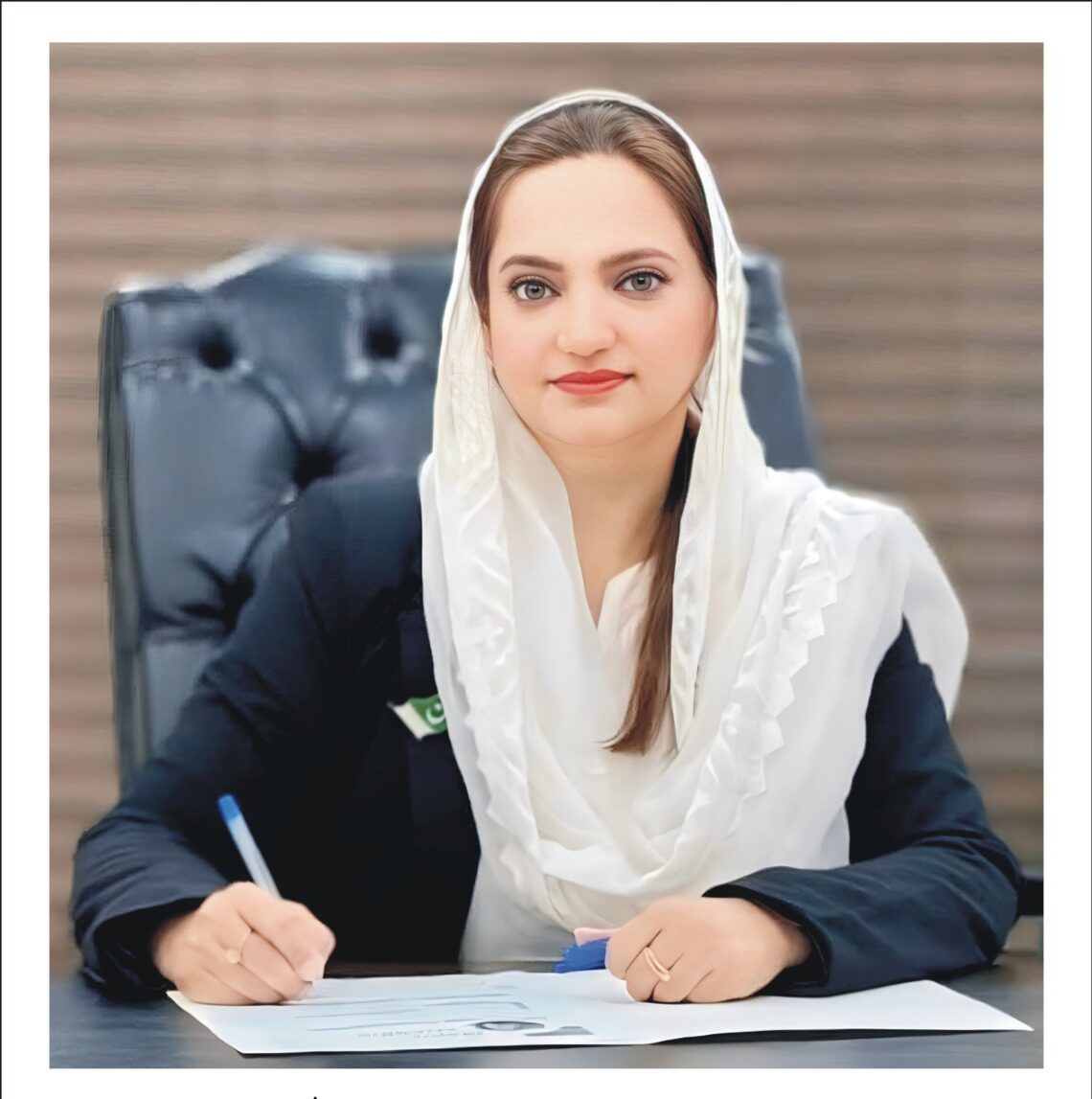
By: Sara Ali Syed
When election monitors fall silent, democracy becomes the casualty.
In February 2024, the Commonwealth Observer Group (COG) deployed a 13-member mission, led by former Nigerian President Goodluck Jonathan, to monitor Pakistan’s general elections. Their mandate was routine: observe the process and publish an impartial assessment. The mission completed its work and submitted its final report to the Commonwealth Secretariat in November 2024.
What followed was unprecedented silence.
For nearly a year, the report was withheld from public view. It only surfaced after being leaked by investigative platform Dropsite News in September 2025. Under pressure, the Secretariat released the same report—dated 20 November 2024—on 30 September 2025. Never in the Commonwealth’s 17-year election-monitoring history has a report been delayed this long. Comparable missions in Sri Lanka, Ghana, and Trinidad and Tobago were published within weeks.
The Secretariat’s explanation was telling: publication was delayed to avoid “straining relations with Pakistan.” In other words, diplomacy was prioritised over democratic integrity.
This decision violated the Commonwealth Charter, which requires observer reports to be issued promptly and guarantees their independence—even from the Secretariat itself. More troublingly, the report had already been shared with Pakistan’s government and the Election Commission, while citizens, opposition parties, and civil society were kept in the dark. Those accused of manipulation saw the findings first; those seeking accountability saw them last.
When finally released, the report confirmed widespread electoral distortion.
It documented severe restrictions on political freedoms, including arrests, intimidation, enforced disappearances, and internet shutdowns that crippled opposition campaigning—particularly against Pakistan Tehreek-e-Insaf (PTI). The stripping of PTI’s election symbol forced candidates to run as independents, denying the party its constitutional share of reserved seats. Media censorship was systematic, judicial processes appeared politically engineered, and election-day communication blackouts obstructed voters and observers alike.
The report identified serious discrepancies in official results forms, delayed publication of data beyond legal deadlines, and incomplete results in multiple constituencies; clear breaches of electoral law. Despite PTI-backed candidates securing the highest number of seats nationally and in Punjab, administrative labelling blocked them from forming government.
Nearly half of Pakistan’s electorate; over 56 million voters, many of them young; saw their political voice diluted. The report concluded that the 2024 elections were neither free nor fair.
This silence is not unique to the Commonwealth. The European Union has refused to release its own election assessment, citing “protection of international relations.” A UK-commissioned evaluation also remains unpublished. Together, these omissions reveal a troubling pattern: when democratic breakdown occurs in strategic states, international institutions choose discretion over disclosure.
While global statements expressed concern, they stopped short of accountability. Think tanks acknowledged the elections were “marred,” yet power was allowed to shift without consequence.
Truth delayed is democracy denied.
The Commonwealth’s report is now official, verified, and undeniable. By withholding it, the institution compromised its own credibility. The parallel silence of the EU and UK reinforces a global reluctance to defend democratic principles when doing so risks diplomatic discomfort.
Pakistan’s stability will not come through suppression or silence, but through truth, transparency, and respect for the people’s vote. No democracy can survive when its truth is postponed for diplomacy.
The writer, advocate High Court, Sara Ali Syed is Central Information Secretary, South Punjab Region, Pakistan Tehreek-e-Insaf & Co-Organizer Election Analysis & Management Cell South Punjab PTI.
She can be reached at Sasyed@bsol.pk.org
Leave a Reply