

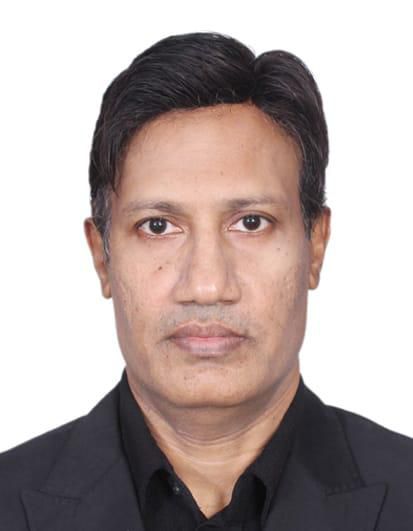
By Junaid Qaiser
For decades, the agricultural economy in Pakistan has been supported by women whose contributions often go unnoticed. They work the fields, look after livestock, harvest crops, and keep rural households running, yet their efforts rarely get the recognition they deserve in policies, laws, or public conversations. The United Nations’ designation of 2026 as the International Year of the Woman Farmer is more than just a global acknowledgment for Pakistan; it’s a long-overdue recognition of their importance.
Women are not just a small part of the agricultural sector in Pakistan; they are its backbone. Nearly 74 percent of working women in the country are involved in agriculture and related activities, making a significant impact on household incomes and national food security. From sowing seeds and weeding to processing after harvest and caring for animals, women’s labor is what keeps rural economies thriving. Yet, in official documents, they are often referred to as “helpers” instead of farmers, a term that has quietly excluded millions of women from land rights, credit options, agricultural support, and social protections.
The International Year of the Woman Farmer, led by the Food and Agriculture Organization (FAO) and its partners, shines a light on some stark contradictions. Around the globe, it’s clear that women are crucial to agrifood systems, yet they face significant barriers that hinder their productivity and resilience. Take Pakistan, for example. Here, women farmers often work on smaller plots, don’t own the land they cultivate, earn lower wages, and have little influence in decision-making, despite the fact that their efforts are vital to the entire farming system.
Climate change has only made this situation worse. Pakistan is one of the countries most at risk from extreme weather, and rural women often bear the brunt of these challenges. Heatwaves, floods, and water shortages directly impact crop yields and livestock, yet women have limited access to climate-smart technologies, early warning systems, or funding for adaptation. Research consistently shows that climate stress exacerbates the productivity gap between men and women—not because women lack capability, but because they are often denied the necessary resources and institutional support.
Acknowledging women as farmers is more than just a symbolic act; it’s an essential economic and strategic requirement. Reports from the FAO suggest that closing the gender gaps in agriculture could greatly enhance productivity, alleviate hunger, and bolster resilience. In Pakistan, where food security and rural poverty are urgent challenges, empowering women farmers could lead to increased yields, improved nutrition, and more stable livelihoods in rural communities. Policy reform is where we need to shift from intention to action.
Women working in crops, livestock, fisheries, and related fields must be legally recognized as farmers, regardless of whether they own land or how many hours they work. We should enforce minimum wage protections and ensure equal pay in agriculture, rather than just recommending it. Land reform initiatives must explicitly include landless rural women, along with access to water, inputs, and subsidies. Financial services, training programs, and extension systems should be designed to directly reach women, rather than assuming that benefits will “trickle down” through their male relatives.
Leadership plays a vital role, and it’s important for women farmers to have their voices heard in cooperatives, local councils, and agricultural decision-making groups. Without their involvement, policies will keep ignoring the real-life experiences of half the workforce in rural areas.
The International Year of the Woman Farmer offers Pakistan a fantastic opportunity to turn words into action. Sure, awareness campaigns and international conferences are valuable, but the true impact will be seen in the changes that happen on the ground—in laws, budgets, and institutions. Pakistan has long benefited from the hard work of women in agriculture while denying them the recognition and security they deserve. That just can’t go on. By 2026, as the world celebrates women farmers, Pakistan must make sure its own women farmers are no longer invisible—not just in speeches, but in their rights, recognition, and real empowerment.



Leave a Reply