

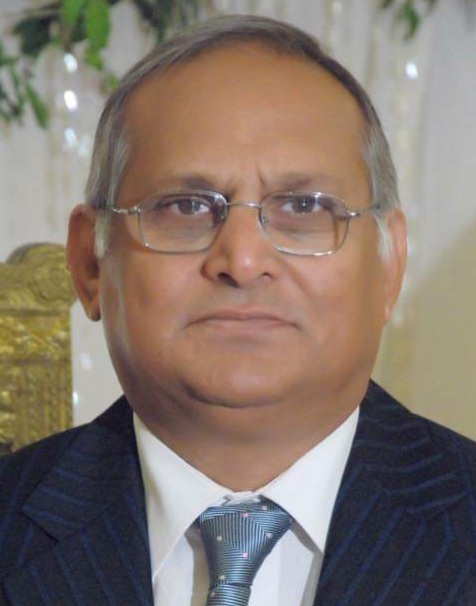
By Ghulam Haider Shaikh
The statement by the Chief Minister of Khyber Pakhtunkhwa that lasting peace in the region is impossible without stability in Afghanistan is not just a political remark; it is a stark reminder of the realities confronting South and Central Asia. For over four decades, Afghanistan has been the epicenter of conflicts, foreign interventions, and internal political turmoil, with repercussions felt far beyond its borders. The absence of peace in Afghanistan has created a vacuum exploited by extremist groups, narcotics networks, and regional proxies, threatening not only Afghan society but also its neighbors, particularly Pakistan.
Pakistan has paid a heavy price for Afghanistan’s instability, from bearing the brunt of refugee influxes to suffering countless terrorist attacks traced back to militant sanctuaries across the border. The cross-border movement of insurgents and weapons has undermined Pakistan’s counterterrorism efforts, making it clear that the fates of the two countries are intertwined. As the Chief Minister rightly emphasized, unless Afghanistan finds its footing through political reconciliation, economic development, and security reforms, regional peace will remain an elusive dream.
The international community also shares responsibility. Decades of foreign involvement have left Afghanistan fractured, and the hasty withdrawal of foreign forces created a power vacuum that allowed extremist groups to regroup. Humanitarian crises, poverty, and lack of governance continue to feed instability. Without sustained international support, both economic and diplomatic, Afghanistan risks remaining a source of insecurity rather than stability for the entire region.
For Pakistan, engaging with Afghan authorities through dialogue, intelligence sharing, and economic cooperation is essential. Border management must be strengthened to curb militant infiltration, while joint initiatives for trade, education, and health can help build mutual trust. A peaceful Afghanistan would open up avenues for regional connectivity projects such as the China-Pakistan Economic Corridor (CPEC) and Central Asian trade routes, benefiting the entire region.
Ultimately, the path to lasting peace lies in a comprehensive strategy involving Afghanistan’s neighbors, global powers, and Afghan stakeholders themselves. Until Afghanistan stabilizes, the dream of a peaceful and prosperous South Asia will remain out of reach.
Withholding Tax Controversy
The recent reversal by the Council of Islamic Ideology (CII) on its earlier declaration that withholding tax is ghair sharey (un-Islamic) has sparked confusion and criticism. Initially, the council had taken a strong position, arguing that the tax system must align with Islamic principles of fairness and transparency. However, its sudden retreat from this stance has raised serious questions about both the credibility of the council and the consistency of its decisions.
Withholding tax is a significant source of revenue for the government, applied at various stages of financial transactions. Critics argue that it disproportionately affects those with limited incomes and often operates without sufficient accountability, making it oppressive and unjust. When the CII initially termed it ghair sharey, it resonated with public sentiment, especially among those burdened by rising costs of living and regressive taxation. The council’s new position, however, appears politically motivated, as though external pressures have overridden its earlier principled stand. This perception undermines not only the CII’s moral authority but also public trust in state institutions.
This episode highlights a deeper issue within Pakistan’s governance structure: the lack of clear and consistent tax reforms. Instead of focusing on sustainable, progressive taxation that targets wealth and curbs corruption, authorities often rely on indirect taxes that burden ordinary citizens. Religious institutions like the CII play a vital role in ensuring that fiscal policies reflect ethical and Islamic values, but such influence is meaningless if positions shift with the political wind.
Moving forward, there must be greater transparency in how these decisions are made. The government should engage scholars, economists, and civil society to craft a fair taxation system that is both economically sound and religiously compliant. Retreating from bold declarations without explanation only deepens public frustration and widens the gap between state and society.
The CII’s reversal serves as a reminder that words carry weight, especially when they touch sensitive issues of faith and livelihood. Pakistan needs principled leadership that can stand firm against pressure and work toward justice for its citizens.




Leave a Reply