

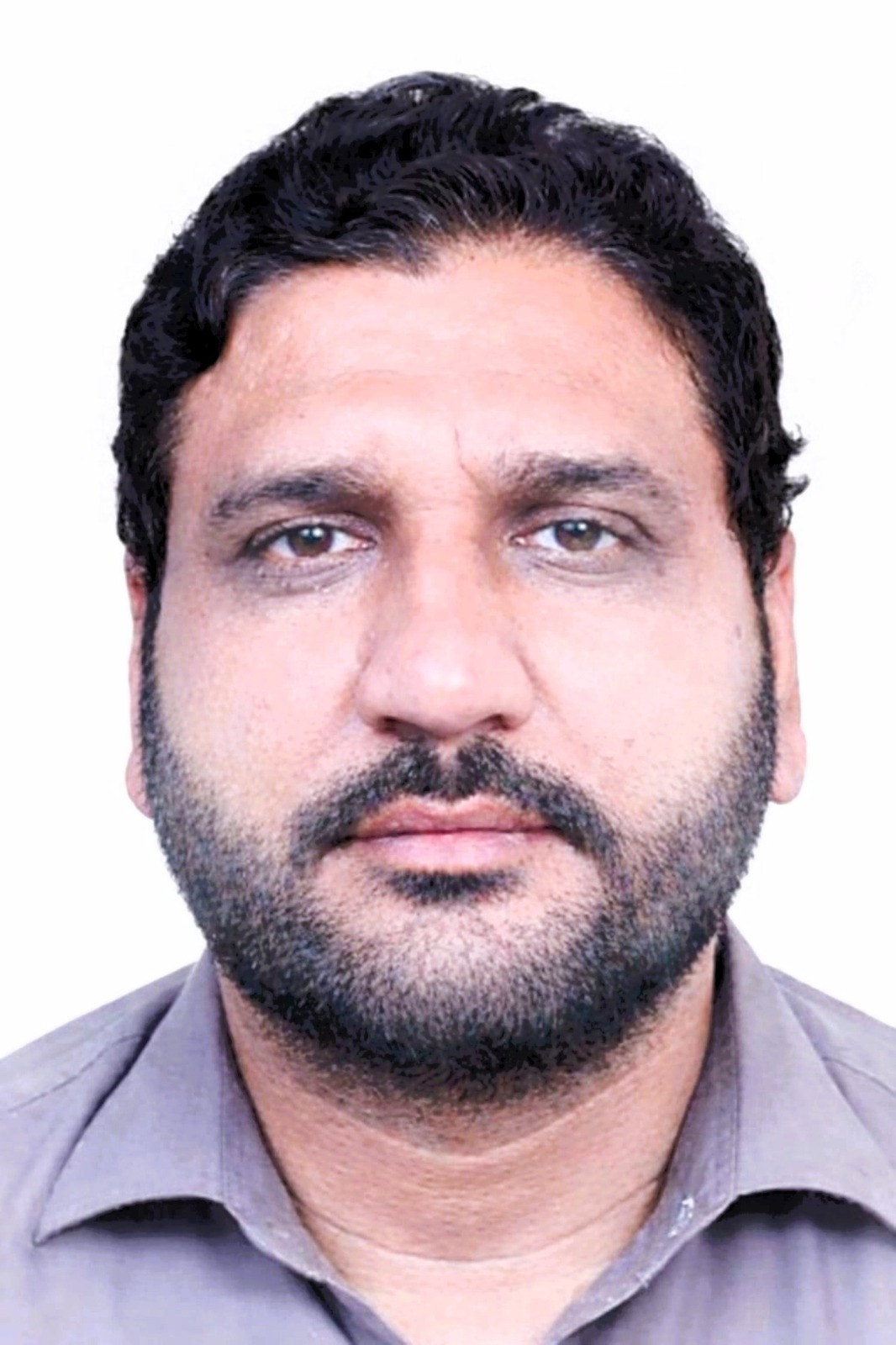
BY: Shahzad Rasheed
Pakistan is rich in diverse mineral resources, including significant reserves of coal, copper, gold, iron ore, marble, gypsum, rock salt (famous for pink salt), chromite, and gemstones, with major deposits in Balochistan, Sindh, Khyber Pakhtunkhwa, and Punjab. Despite this potential, challenges like lack of investment, outdated technology, and regulatory issues hinder full exploitation, though initiatives are underway to boost development.
Pakistan is sitting atop vast untapped mineral wealth — copper, lithium, cobalt, gold and rare earth elements — critical for the energy transition and modern technology. The global demand for these resources is rising as nations are trying to meet clean energy goals and reduce carbon emissions. Electric vehicles, batteries and other low-carbon technologies all require rare minerals. Whether Pakistan’s inefficient and inequitable mining sector can benefit from these opportunities remains to be seen.
Pakistan boasts vital minerals, crucial for global energy transition, attracting investments across complete mining cycle. Enhanced exploration potential promises lucrative returns, making the sector a prime investment opportunity.
Despite such concerns, Pakistan is becoming a site of strategic mineral investments. China has steadily expanded its economic footprint in Pakistan, and is already engaged in the mining copper, gold and silver. The US is now seeking to catch up, eyeing Pakistan’s critical minerals as part of a broader effort to secure supply chains for key technologies.
Petroleum Minister Ali Pervaiz Malik met Saudi Arabia’s minister of industry and mineral resources at the Future Minerals Forum (FMF) in Riyadh during which both sides agreed to strengthen cooperation in the mines and minerals sector.
Malik was leading the Pakistani delegation at the FMF 2026 summit in Riyadh. The Jan 13-15 event is expected to attract around 20,000 representatives from governments, businesses, multilateral and non-governmental organizations, academic institutions and trade associations from more than 160 countries. At least 13 public and private companies from Pakistan’s mines and mineral sector were participating in the event.
“The minister held a meeting with Saudi Minister of Industry and Mineral Resources Bandar Ibrahim Alkhorayef, during which both sides agreed to further strengthen bilateral cooperation in the minerals and mining sector,” the Pakistani petroleum ministry said in a statement.
Pakistan and the United States signed $500 million investment deals with two US-based companies. The deals are meant to develop and process critical minerals including rare earth elements, and to expand logistics infrastructure. The agreements were signed during a meeting between Prime Minister Shehbaz Sharif and a high-level US delegation that included United States Strategic Metals (USSM) and Mota-Engil, global firms in the mining and infrastructure. The agreement creates a framework for collaboration in minerals vital for the defense, aerospace and technology industries.
Pakistan also exports nearly $1.2 billion worth of copper ore to China annually and is expanding cooperation in the mining and mineral sectors as well with the close ally. China produces over 90 per cent of the world’s processed rare earths and rare earth magnets.
China’s foreign ministry has said that Pakistan keeps its strategic ally aware of its cooperation with the United States in the mining sector, and the two countries have maintained a “high-level strategic mutual trust and close communication”.
Policymakers in Pakistan seem more preoccupied with managing growing foreign interests by striking a careful balance between Chinese and American engagement and cultivating broader partnerships to avoid overdependence on any single power. It is encouraging that Saudi Arabia, Japan and the EU also seem interested in making investments. However, to position itself as a key supplier for diversified international investors, Pakistan must also create a more enabling environment for responsible extraction. Doing so will require balancing foreign engagement with domestic considerations as well.
In 2025, Balochistan and Khyber Pakhtunkhwa (KP) expressed significant reservations regarding new legislation governing the mines and minerals sector, specifically focusing on the Mines and Minerals Amendment Act 2025. The core of these objections centers on fears of losing provincial autonomy over natural resources, as guaranteed by the 18th Constitutional Amendment.
A multi-party conference in Khyber Pakhtunkhwa rejected the Khyber Pakhtunkhwa Mines and Minerals Bill 2025, calling it a “direct attack” on the rights of local communities and a “direct violation” of provincial autonomy.
Both provinces view the 2025 legislative push as a rollback of the 18th Amendment, which gave them exclusive rights to manage their mineral resources. There is a deep-seated distrust regarding the fairness of royalties and revenue-sharing agreements between the federal center and the provinces.
Pakistan’s mining sector has the potential to significantly increase its contribution to the national economy, with revenues projected to rise from $2 billion to $6-8bn annually by 2030, and provided the country capitalizes on its vast untapped mineral reserves. Key projects already underway include Reko Diq , which has the potential to generate $4-5bn annually, Siah Diq ($1-2bn), Thar coal expansion ($200m), and barite, lead, and zinc projects ($100m).
The federal government should re-evaluate the controversial clauses in the Mines and Minerals Act 2025, specifically those empowering federal bodies over provincial authorities. Besides the government should also guarantee that local communities, especially in Balochistan and KP, receive a greater share of royalties and profits, along with local employment opportunities.








Leave a Reply