

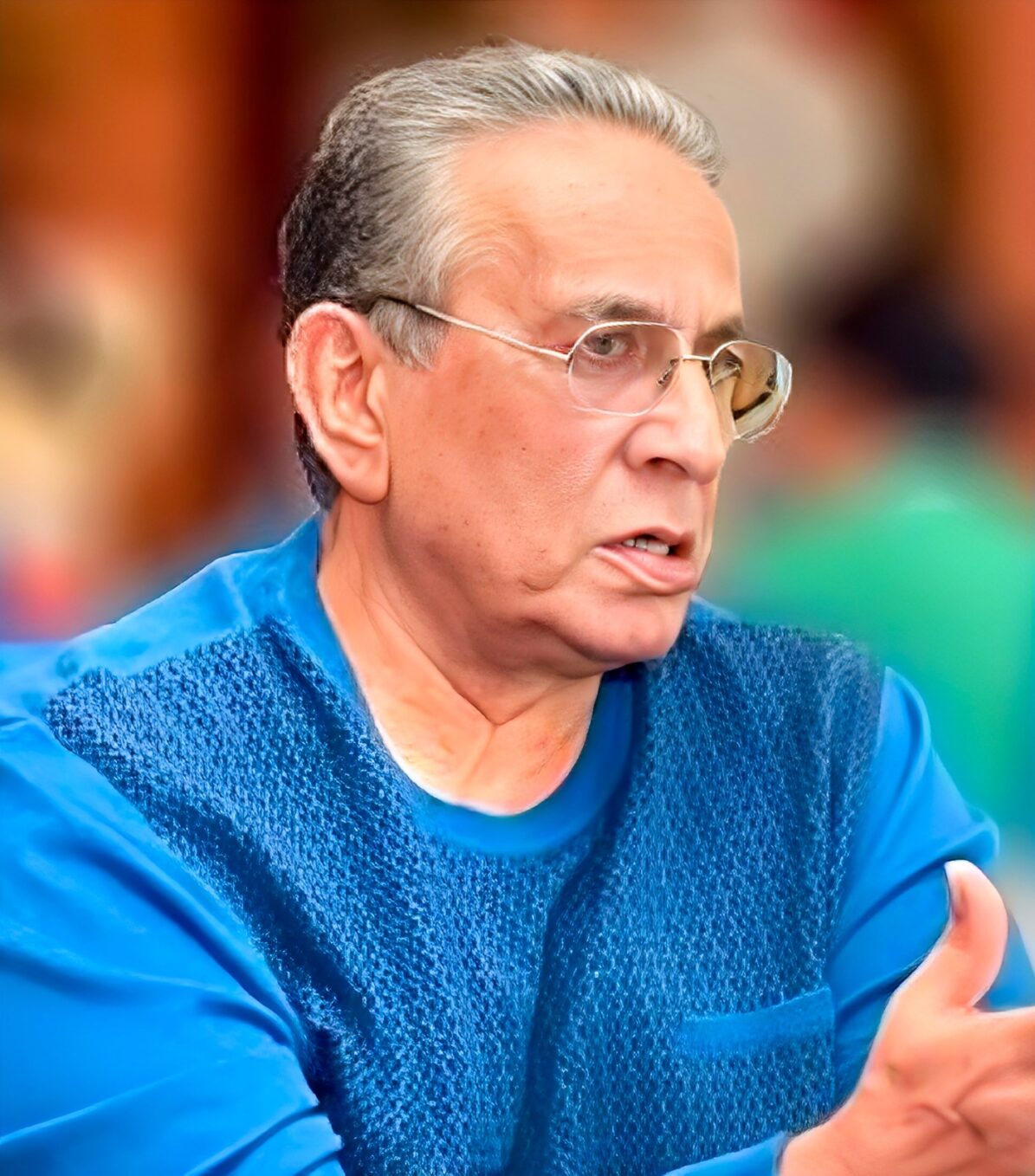
Dollar shortage in the market fuels inflation and uncertainty.
TARIQ KHATTAK
Islamabad
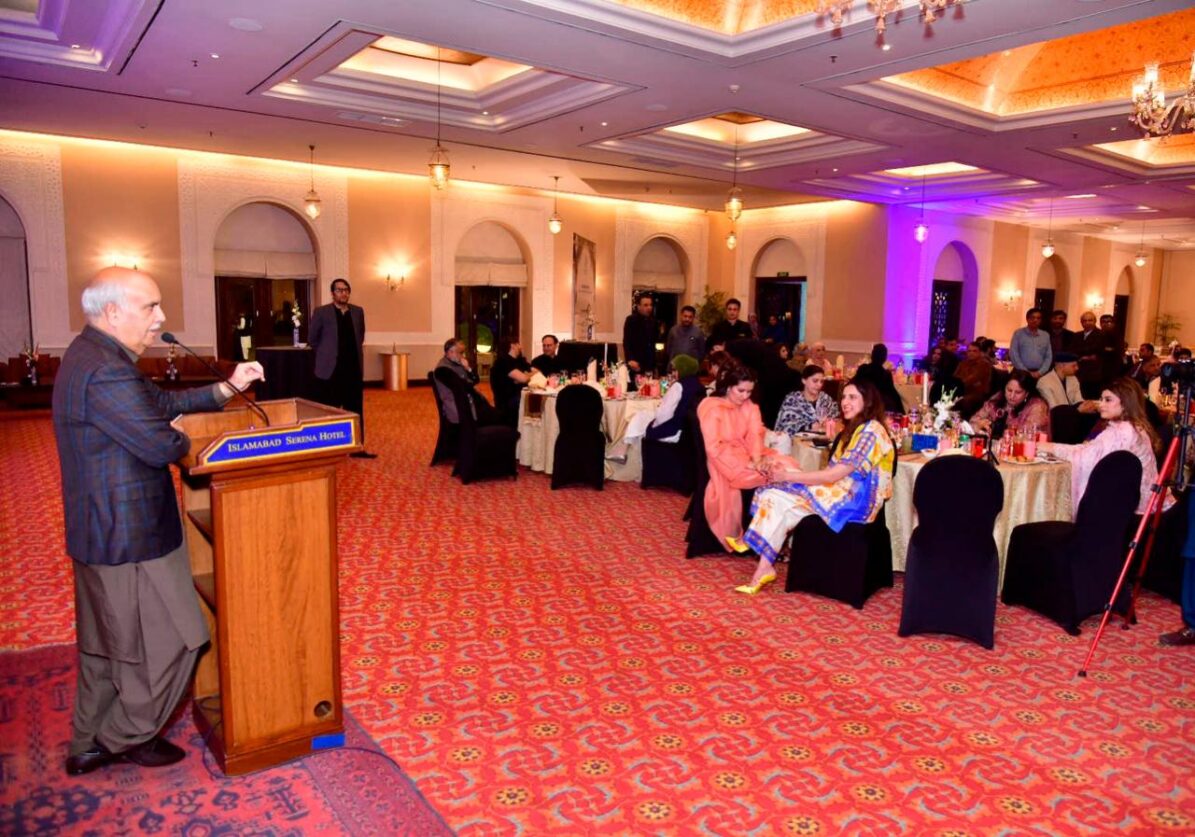
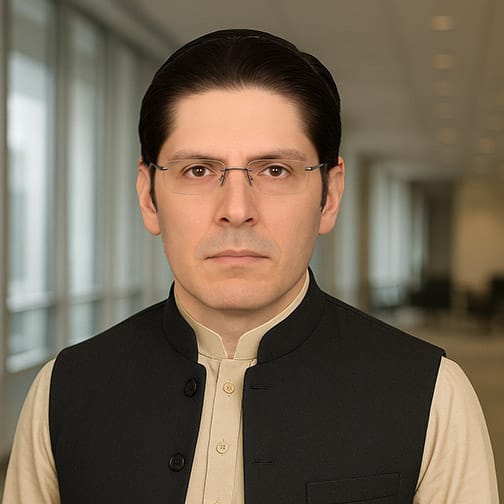
Business leader and former president of the Islamabad Chamber of Commerce, Shahid Rasheed Butt, has urged the central bank to stop purchasing dollars in the domestic market, warning that this practice is contributing to economic distortions and inflationary pressures.
In a statement issued here, he said foreign exchange reserves should be strengthened primarily through exports, remittances, and foreign investment, which are sustainable sources of external stability.
Shahid Rasheed Butt said the State Bank of Pakistan has purchased around $24 billion from the local market over the past three years, a trend he described as worrying for the economy.
He noted that in most countries, foreign exchange reserves grow through export earnings, overseas investment inflows, and remittances sent by expatriates. However, the repeated need for the central bank to purchase dollars from the domestic market indicates that Pakistan still needs to significantly strengthen its export base and attract higher levels of foreign investment.
The business leader said the central bank’s purchases reduce the availability of dollars in the market, increasing pressure on the Pakistani rupee and creating difficulties for importers. As the supply of foreign currency tightens, import costs rise, eventually translating into higher prices for goods and services.
He warned that the resulting increase in import costs contributes directly to inflation, placing additional financial strain on households and businesses already coping with high energy prices and rising living expenses.
Butt added that if the central bank must continuously buy dollars in the local market to maintain foreign exchange reserves, this suggests the country’s external earnings have not yet reached the required level to ensure stability.
He emphasized that economic policymaking should not remain limited to short-term financial balancing measures but should instead focus on long-term structural reforms.
Pakistan, he said, needs to adopt an export-oriented growth strategy by promoting value-added industries and ensuring exporters have access to reliable and affordable energy supplies. Simplifying the tax system and improving the overall business environment would also help boost competitiveness.
He further suggested that restricting unnecessary imports and encouraging local substitutes could reduce pressure on the current account and support the country’s external sector stability.


Leave a Reply