

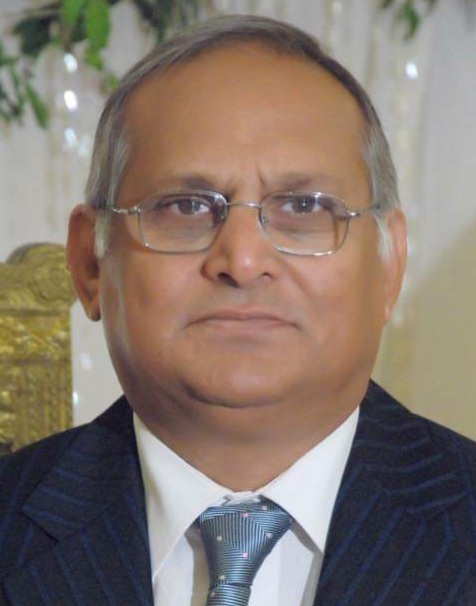
By Ghulam Haider Shaikh
The recent statement by the Supreme Court affirming that the President of Pakistan has the authority to transfer judges has sparked a crucial debate on the balance of power within the country’s judicial and political systems. This declaration carries significant implications for the independence of the judiciary, the separation of powers enshrined in the Constitution, and the overall functioning of democratic governance in Pakistan. While the Constitution provides the President with certain executive powers, including matters related to the appointment and transfer of judges, the exercise of these powers must always be carefully aligned with constitutional principles and the spirit of judicial independence.
Historically, judicial transfers have been a sensitive issue in Pakistan. They have often been viewed through the lens of political influence and interference. When the executive branch, particularly the head of state, becomes directly involved in judicial matters, it raises legitimate concerns about whether judges can remain impartial and free from external pressures. An independent judiciary is not merely a constitutional formality; it is the backbone of a fair and functional democracy. If judges are perceived to be transferred or reassigned for political reasons, public confidence in the justice system erodes, and the rule of law suffers.
At the same time, it is important to recognize that the President’s role cannot be entirely ceremonial. The Constitution assigns the President certain responsibilities to ensure the smooth functioning of state institutions. However, these responsibilities must be exercised transparently and in consultation with other stakeholders, such as the Judicial Commission and the Supreme Judicial Council, to prevent the misuse of authority. This collaborative approach is vital to maintaining both judicial integrity and the necessary checks and balances within the system.
The Supreme Court’s ruling has clarified a long-standing legal ambiguity, but it has also placed a heavy responsibility on the President’s office. Moving forward, it is imperative that any decisions regarding judicial transfers be based solely on administrative necessity and the efficient functioning of the judiciary, rather than on political motivations or personal preferences.
Pakistan’s democracy is still evolving, and safeguarding judicial independence remains one of its greatest challenges. The judiciary must remain a neutral arbiter, free to deliver justice without fear or favor. For this to happen, both the executive and judiciary must respect their respective boundaries as defined by the Constitution. The Supreme Court’s ruling should not be viewed as a license for interference but rather as an opportunity to strengthen institutional harmony and reinforce public trust in the justice system.
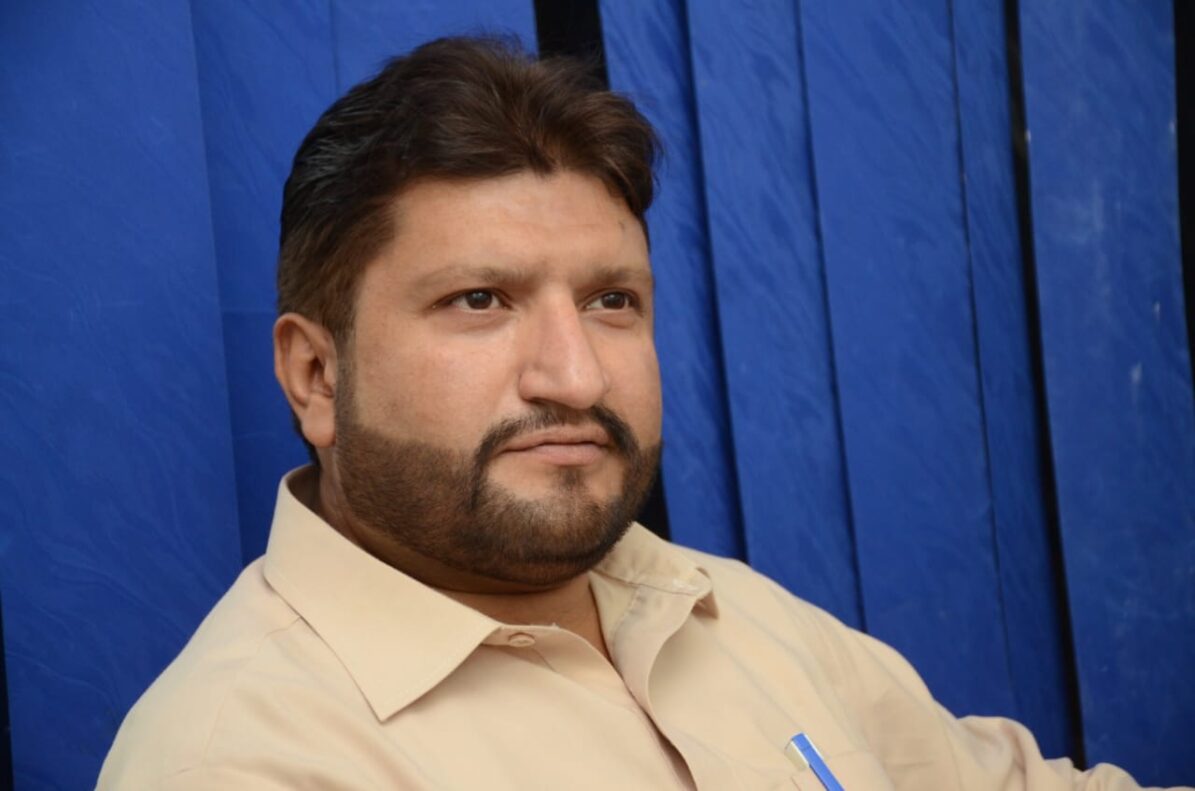
Gandapur Vows Historic Rally
Ali Amin Gandapur’s recent statement that “the system cannot function as it is” and his announcement of organizing what he claims will be the largest public gathering in the nation’s history underscores the gravity of Pakistan’s current political and governance crisis. His remarks reflect deep public frustration over institutional inefficiencies, lack of transparency, and the widening gap between the government and the people. Such sentiments are not new, but their increasing frequency and intensity signal that citizens are losing faith in the state’s ability to deliver justice, stability, and prosperity.
The declaration of a massive public gathering carries both potential and peril. On one hand, it represents the democratic right of citizens to express their discontent and demand reform. Peaceful protests can serve as powerful catalysts for change, drawing attention to the urgent need for a fairer and more accountable system. On the other hand, if mishandled, such events risk escalating political tensions, deepening polarization, and destabilizing the country at a time when unity is desperately needed.
Gandapur’s words highlight a critical reality: a system plagued by corruption, weak governance, and disregard for merit cannot sustain itself indefinitely. While political rallies can amplify voices, they must also be accompanied by clear policy proposals and practical steps for reform. Mere rhetoric, no matter how passionate, will not resolve systemic problems.
The government must take this growing unrest seriously and engage in meaningful dialogue with opposition forces to address legitimate grievances. Ignoring these warning signs could push the nation further toward political chaos. True leadership lies not only in mobilizing crowds but also in building consensus, implementing reforms, and strengthening institutions. If handled wisely, Gandapur’s upcoming gathering could serve as a turning point for constructive political engagement. If mishandled, it may only deepen the very crises it seeks to challenge.





Leave a Reply