

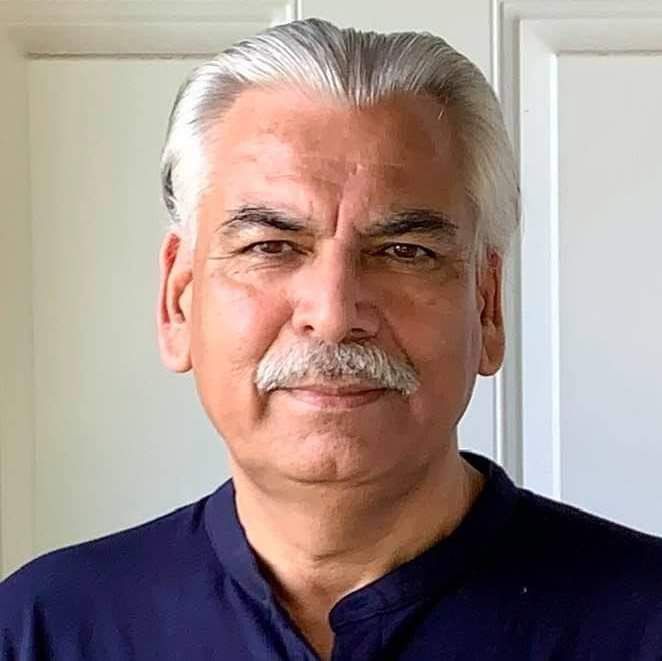
Barrister Dr. Usman Ali
The strength of any state is measured by its ability to uphold the rule of law, maintain strong institutions, and deliver justice without fear or favour. When a state either fails, or chooses not, to assert its authority, it inevitably faces the kind of recurring crises that have plagued Pakistan for decades. The erosion of state writ in Pakistan is not the result of a single government’s weakness or a temporary lapse; it stems from a long-standing pattern in which successive administrations have repeatedly yielded to pressure groups, allowing them to challenge the law with impunity.
This reality was laid bare once again last week. Following violent protests by the Tehreek-e-Labbaik Pakistan (TLP), the Punjab Police released a detailed report covering 2016 to 2025. It documented the deaths and injuries of police personnel, civilian casualties, and damage worth billions of rupees to public and private property. Thousands of terrorism cases were registered. But the report did more than tally losses , it exposed the state’s chronic weakness and its habit of cutting deals rather than enforcing the law. Despite thousands of cases, not a single major example exists where those involved were held accountable. These figures are not just statistics; they are a mirror reflecting a state that has repeatedly bowed to pressure, abandoned its law enforcement personnel, and ignored the demands of justice.
This problem extends far beyond one group. Over the years, various political and religious organizations have taken to the streets whenever it suited them, often in the name of politics or religion, paralyzing daily life, engaging in violence, and openly challenging the state. And time after time, the state has responded not with firmness but with negotiation and appeasement. The result is a steady erosion of public trust and growing frustration within law enforcement ranks.
The 2017 Faizabad sit-in is a stark illustration of this pattern. TLP shut down the federal capital, and under pressure, the government accepted the resignation of Law Minister Zahid Hamid. Protesters were rewarded financially, cases were suspended, and a dangerous precedent was set: power on the streets can override the rule of law. Making matters worse, then-opposition leader Imran Khan and several political parties openly supported the protest because it served their political interests.
History repeated itself in 2021. When Imran Khan was in power, his government first banned TLP, only to later bow to pressure, hold negotiations, overlook violent acts, sign agreements, and lift the ban. And when the group took to the streets again recently, Imran Khan condemned government action and urged his party to protest. This cycle of political expediency has only weakened the law and emboldened those who defy it.
Equally dangerous is the opacity surrounding these deals. The public is rarely informed about the concessions offered. Even police officers who risk, and often lose, their lives never see justice delivered for their fallen colleagues. Ordinary citizens watch this unfold knowing that if they committed even a minor offence, the law would act swiftly. But when powerful groups incite violence under the cover of religion or politics, they are treated with leniency. This double standard is eroding the very foundations of the state.
The problem isn’t just the existence of such groups , it’s the state’s repeated capitulation. In any functioning democracy, the right to peaceful protest is fundamental, but violence, intimidation, and attacks on state institutions can never be tolerated. A clear message must now be sent: anyone , religious or political , who takes the law into their own hands must face its full force, along with their enablers. The era of double standards must end; the law must apply equally to all.
Responsibility does not rest solely with the state. Mainstream political and religious parties also bear blame. They must stop weaponizing their supporters, stop using protests as a bargaining chip, and respect democratic norms. Leaders who incite followers for short-term gains only deepen the national crisis. What they do today will inevitably be used against them tomorrow. This cycle has played out repeatedly in Pakistan’s history, and it’s a key reason the country has struggled to move forward.
If the state truly intends to re-establish its writ, it must adopt a decisive and consistent policy. No special treatment for violent groups. No backroom deals. Swift legal action through transparent judicial processes. And above all, justice for police personnel and civilians who pay the price for the state’s weakness. Ministers and government officials must stop making statements like, “If you call off the protest, nothing will happen to you.” Such words are the death knell of the rule of law.
This is a turning point. Either the state continues to bow to pressure, or it finally decides the country will be governed by law, not mobs. If it chooses appeasement again, these groups will grow stronger, more lives will be lost, more property destroyed, and whatever trust remains between the people and the state will collapse. But if the government enforces the law firmly, fairly, and without fear or favour, it could mark the first real moment when state authority in Pakistan becomes more than a slogan , it becomes a fact.





Leave a Reply