

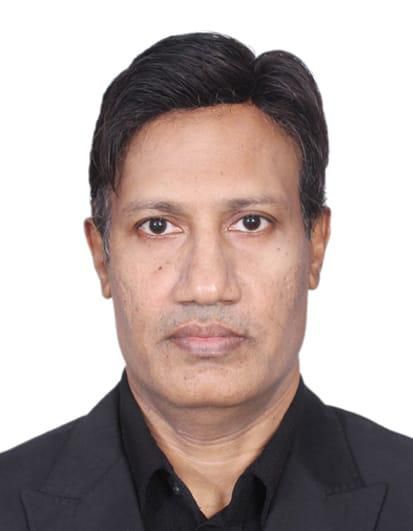
By Junaid Qaiser
The official launch of the Board of Peace in Davos on January 22, 2026, represents a unique moment in modern diplomacy—where ambition, visibility, and collaboration come together at a time when the world is weary of endless conflict management. U.S. President Donald Trump announced this initiative during the World Economic Forum, driven by the urgent need to stabilize Gaza after months of devastating warfare. However, it’s now being framed as something much broader: a platform aimed at transforming fragile ceasefires into structured peacebuilding efforts.
At its core, the Board of Peace tackles a challenge that the international community has grappled with for ages. Ceasefires, while crucial, are inherently temporary. They may silence the guns, but they leave the underlying political, economic, and governance issues unaddressed, which allows violence to resurface. Gaza has experienced this cycle time and again. Regardless of opinions on Trump’s approach, his proposal recognizes this difficult reality and seeks to address it directly by linking ceasefires with reconstruction, governance oversight, and ongoing international involvement.
Much of the initial criticism has revolved around the question of whether the Board of Peace could potentially undermine the United Nations. This is a valid concern that merits some thought, but we shouldn’t lose sight of the fact that the conflicts we face today often surpass the capabilities of existing frameworks. The UN does provide legitimacy and a global stage, yet it frequently finds itself hampered by political stalemates and limited enforcement power. A body like the Board of Peace, which operates in tandem with established institutions rather than in opposition to them, could effectively address these shortcomings—swiftly mobilizing resources, keeping political focus sharp, and ensuring that commitments made in the aftermath of conflicts don’t just disappear when the headlines fade.
The board’s financial model has also sparked interest. By linking membership to substantial financial obligations, the initiative conveys a clear message: peace-building is about more than just making statements; it requires real investment. The processes of reconstruction, governance reform, and economic revitalization are costly and demand long-term commitment. A framework that connects influence with funding could motivate participating states, especially those with the financial means, to approach their roles with greater seriousness and accountability.

Pakistan’s choice to join the Board of Peace really highlights its understanding of the situation. By signing the charter, Prime Minister Shehbaz Sharif has positioned Pakistan firmly within a growing initiative aimed at fostering a lasting ceasefire in Gaza, boosting humanitarian aid, and aiding in reconstruction efforts that align with international law. For Pakistan, this involvement aligns perfectly with its long-standing commitment to peaceful resolutions and multilateral cooperation, while also providing an opportunity to influence discussions at a crucial stage of this new initiative. During the signing ceremony, Trump asked Pakistan’s Prime Minister Shehbaz Sharif, “Where is my favorite field marshal?” This was a nod to Pakistan’s army chief, Field Marshal Asim Munir, who was in the audience. Sharif pointed to Munir, which made Trump smile and acknowledge him. Trump has frequently called Munir his “favorite field marshal” and a “brave warrior.” Videos of the moment spread like wildfire, highlighting their personal connection. The presence of Field Marshal Asim Munir alongside the prime minister at Davos was significant in its own right. In a world where peace and security are closely linked, Pakistan’s unified civil and military representation highlighted a consistent national approach to international stability.
This kind of symbolism is important in diplomacy; it conveys a serious intent and a readiness to engage thoughtfully with complex security and peace-building issues. The broader vision surrounding the Board of Peace, which includes ambitious plans for Gaza’s reconstruction, might come off as overly optimistic to some. However, optimism has always been a key ingredient in the peace-making process. Without a forward-thinking vision—without the belief that post-conflict societies can be rebuilt in a better and more resilient way—peace efforts risk becoming mere exercises in containment rather than true transformation.
The Board of Peace will ultimately be judged by its ability to deliver results: sustained ceasefires, credible reconstruction plans, and pathways to stable governance. For now, its emergence reflects a growing recognition that the old ways are no longer sufficient. The international community needs new tools, fresh thinking, and the political will to see peace through from negotiation to normalization. In a fractured world, such efforts deserve not cynicism, but careful engagement and a willingness to make them work.

Leave a Reply