

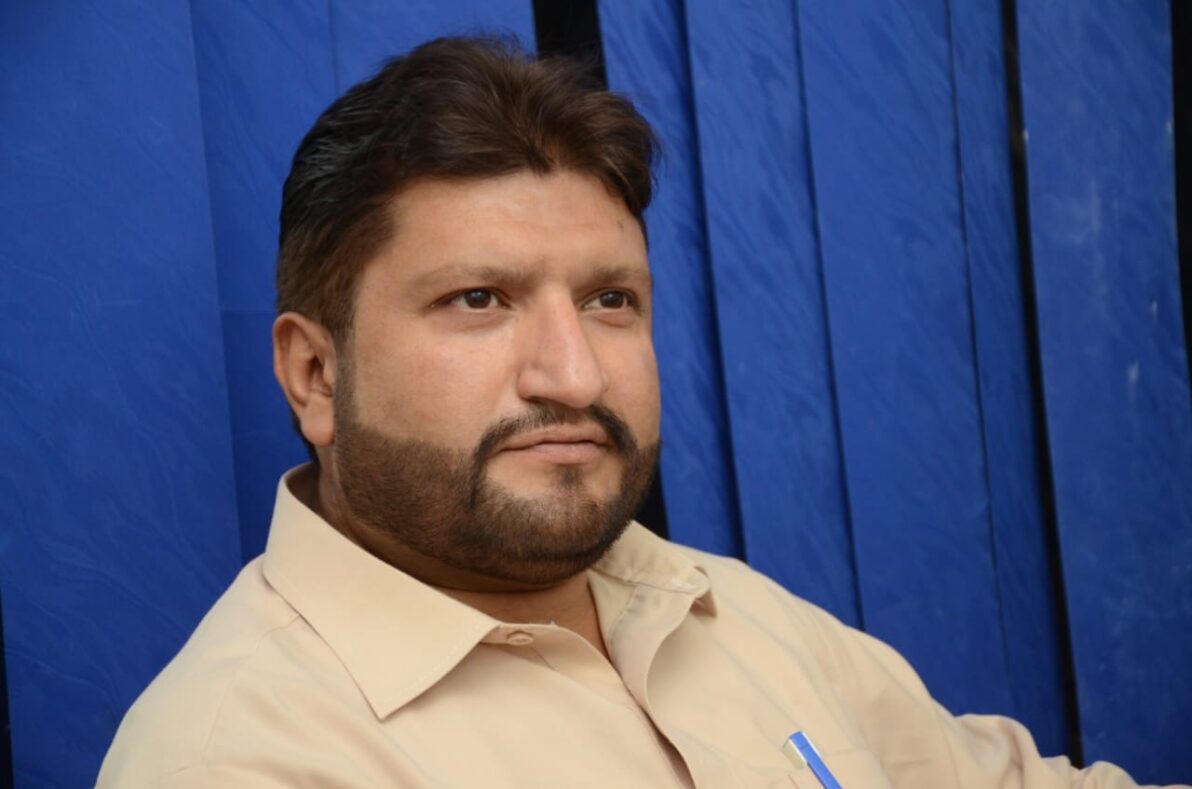
Amjad Hadi Yousafzai
In the fast-paced digital age, platforms like YouTube have opened new doors for creative expression. However, alongside this freedom, a troubling trend has emerged—content that prioritizes instant entertainment, sensationalism, and unnecessary length over substance and social relevance. In many online drama competitions, themes are often superficial, offering momentary amusement but little lasting impact. Against this backdrop, the drama “Sro Zaro Marghay (The Golden Bird)”, produced for a YouTube drama competition, stands out as a meaningful and socially conscious work.
This drama challenges the widespread belief that quality storytelling requires large budgets, lavish sets, and extended screen time. Sro Zaro Marghay proves that when intention is sincere, the subject is relevant, and execution is honest, impactful drama can be created even with limited resources. This is precisely the kind of trend that needs encouragement—especially to steer young creators away from hollow sensationalism and toward stories rooted in social reality.
At its core, the drama is a true reformative narrative, addressing painful yet undeniable truths of our society. It highlights the growing culture of disobedience among children, the neglect and mistreatment of elderly and dependent parents, and the selfish exploitation of parents for personal gain. These are issues that quietly unfold within our homes, often ignored or normalized. Instead of resorting to preachy dialogue or exaggerated emotionalism, the drama presents these realities in a simple, relatable, and easily understandable manner, allowing the message to resonate naturally with the audience.
One of the most commendable aspects of Sro Zaro Marghay is its brevity and discipline. Unlike many contemporary dramas that stretch weak plots over multiple episodes, this production delivers its message within a single hour—without redundancy or unnecessary scenes. This concise storytelling reflects the creator’s confidence and respect for the viewer’s time, proving that meaningful narratives do not need artificial expansion.
The soul of the drama lies in the performance of Tariq Jamal, a veteran and highly respected actor of the small screen. He portrays a paralysed, helpless father—and remarkably, does so without uttering a single line of dialogue. Through facial expressions, silent suffering, restrained body language, and the quiet language of the eyes, he communicates pain, abandonment, and emotional devastation with extraordinary depth. This is not merely acting; it is complete immersion into character.
Beyond acting, Tariq Jamal has also fulfilled his responsibilities as writer and director with notable maturity. At key moments, he uses voice-over narration to convey the inner emotions and memories of the character, enhancing the dramatic effect without overwhelming the story. This technique adds emotional weight while maintaining narrative balance.
The supporting cast also delivers strong performances. Shehnaz Peshawari, in particular, deserves special mention for her portrayal of a negative character. She avoids theatrical exaggeration and instead presents cruelty and selfishness in a disturbingly realistic manner—making the character feel uncomfortably familiar. The actors playing the two sons also do justice to their roles, effectively embodying indifference, greed, and moral decay.
Sro Zaro Marghay ultimately confronts viewers with uncomfortable questions:
Are parents worthy of respect only as long as they are financially useful?
Is the role of children limited to taking, never giving back?
Such questions cannot be answered through speeches or sermons. They demand thought-provoking, reform-oriented storytelling—exactly what this drama offers. In that sense, Sro Zaro Marghay is more than entertainment; it is a call for reflection and social accountability.
In conclusion, if digital platforms like YouTube actively promote short, meaningful, and socially responsible dramas of this nature, they can play a powerful role in addressing moral and social decline. “Sro Zaro Marghay (The Golden Bird)” stands as clear evidence that when the goal is social awareness and reform, limited budgets are no barrier—and sometimes, one honest hour is more powerful than dozens of empty episodes.









Leave a Reply