

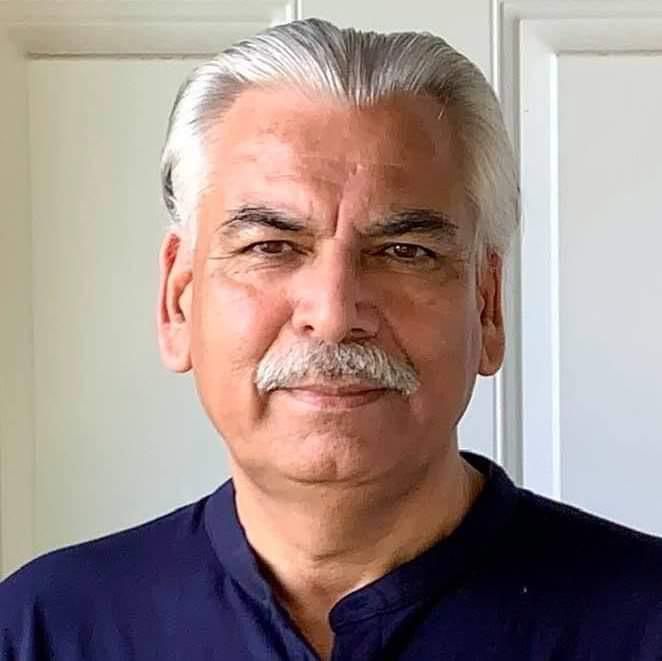
Barrister Usman Ali, Ph.D.
Pakistan is facing multiple crises. Political turmoil grips the nation on one side, while terrorism continues to claim innocent lives on the other. These two threats dominate headlines and debates. Yet in the shadow of these loud battles, another crisis, quieter but no less destructive, is spreading unchecked. If ignored, it threatens not only our present but the very future of coming generations.
This danger is the unchecked spread of indecency and moral decline through digital and entertainment media. Unlike the gunfire of terrorism, it seeps in silently, shaping minds, weakening character, and hollowing society from within.
Scroll through YouTube, TikTok, or Instagram and the evidence is inescapable: vulgar videos routinely attract millions of views. What was considered shameful a few decades ago is now presented as harmless entertainment. Behaviors once frowned upon are normalized, particularly among the youth who should be preparing to lead the nation tomorrow.
Khyber Pakhtunkhwa, long regarded as a stronghold of tradition and cultural pride, is increasingly flooded with dramas, films, and online skits that bear no resemblance to Pashtun values. Similar trends stretch across the rest of Pakistan. In the name of entertainment, indecency has become mainstream, and in some cases, even celebrated.
This is not the first time nations have collapsed under the weight of their own indulgence. The mighty Roman Empire disintegrated when rulers and citizens lost themselves in luxury and vice, leaving their moral foundation shattered and their defenses weak. Muslim Spain thrived for eight centuries, but once its people embraced extravagance and immorality, their unity crumbled and city after city fell until their presence in Europe vanished entirely. The Mughal Empire, powerful for centuries, grew decadent in its final years, leaving it vulnerable to British conquest. The lesson is stark: when a nation loses its moral compass, outside forces rarely need to exert much effort. Decline comes from within.
Terrorism destroys bodies in an instant, but indecency erodes character, paralyzing minds and undermining the nation’s future. Today, it is not only the youth but people of all ages who spend hours glued to mobile screens, watching, and increasingly creating, such content themselves. This trend is destroying not just education and skills but also character and ambition. Boys and girls, men and women alike, are caught in this cycle. The race for likes, followers, and YouTube income has blinded many, turning vulgarity into a business as much as a pastime. The ripple effects are visible: rising harassment cases, family disputes, and crimes of moral weakness. To dismiss this as coincidence would be naïve. Around the world, cultural invasion has often been weaponized as deliberately as military force. Our adversaries know that to weaken Pakistan, attacking its values may be more effective than any battlefield.
In healthy societies, parents, teachers, scholars, and political leaders set the moral example. Sadly, many in our own country have failed to rise to that responsibility. Parents often leave children unsupervised with smartphones. Scholars and teachers rarely speak with the authority or relevance that could guide youth. Politicians, instead of modeling dignity, too often normalize indecent behavior through their words and actions. When leaders abandon higher standards, what was once considered shameful quickly becomes routine. The result is a society where insults and vulgarity dominate public discourse, leaving no segment untouched, young or old, rich or poor.
Perhaps most troubling is the lack of serious government response. Laws are passed overnight on political issues, yet no comprehensive policy exists to confront this cultural crisis. Occasionally, the Pakistan Telecommunication Authority or PEMRA bans a few websites or channels, but these gestures are little more than token exercises. Meanwhile, the spread of obscene content continues unhindered. This negligence extends beyond the state. Parents and educators, too, have often remained silent or indifferent, allowing the problem to spread from household to household. It is no exaggeration to call it an epidemic.
But this is not a hopeless battle. With coordinated action, the tide can be turned. The government must move beyond symbolic bans and take firm measures against those who profit from vulgar content. The arts should be promoted, but on foundations that reflect cultural dignity and moral depth rather than cheap sensationalism. Schools and universities should incorporate ethical education alongside technical learning, producing graduates equipped with both skills and character.
Parents must regain their role as the first line of defense, setting boundaries for technology use and modeling healthy behavior. Religious scholars and teachers must speak with relevance and courage, guiding young people with conviction. And youth themselves must be given constructive alternatives: sports facilities, cultural programs, and avenues for creativity that channel energy into positive growth rather than mindless consumption.
Finally, the public must hold political leaders to higher moral standards. A leader who thrives on vulgarity, abuse, or shamelessness should not be celebrated but rejected. Societies rise when citizens expect dignity from those who represent them.
Pakistan today stands at a crossroads. Alongside terrorism, economic struggles, and political crises, we now face a moral decline that could prove even more fatal if left unchecked. History is filled with nations that fell not because of stronger enemies but because they undermined themselves from within.
The question is what kind of Pakistan we will leave to our children. Will it be a dignified, principled nation capable of facing its challenges with unity and moral strength? Or a fractured, rudderless society that destroys its own foundations?
The time for collective action is now. Government, society, parents, teachers, scholars, and political leaders must treat this as the urgent threat it is. For when minds are conquered and character collapses, no external enemy is needed.
The nation falls on its own.







Leave a Reply