


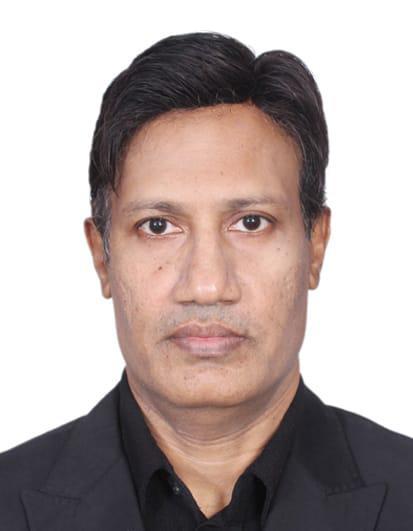
A Waseem Khattak
It is a reality that in Pakistan, the concept of the NFC Award and provincial rights remained unclear and ambiguous—not only for the common public, but even for university professors, intellectuals, and highly educated circles for a very long time. I personally spoke to professors, researchers and educated people in several universities, and surprisingly, most of them were unaware of this very basic term. Some only knew vaguely that it might be a financial award called NFC, and many were unfamiliar even with the abbreviation itself. This situation alone proves that due to the lack of academic and institutional dialogue on such subjects, not only the public but even the so-called educated class had no exposure to these fundamental facts, whereas provincial autonomy, resource distribution and financial authority are the backbone of any state.
This was the vacuum that was finally identified—when for the first time in Khyber Pakhtunkhwa, Chief Minister Sohail Afridi’s government initiated formal seminars and awareness sessions on the NFC Award and provincial rights across universities in the province. This step proved that the real role of the state is not only to control resources or make policies, but also to disseminate knowledge, awareness and understanding.
The concept of the NFC Award is not merely a matter of figures and statistics; behind it lies a major reality—that Pakistan is rich in mineral wealth. But the tragedy is that while we own resources, we do not know how to benefit from them. Coal, gold, copper, marble, salt, magnesite, gas, oil and gemstones—these are treasures that could enable not just a province but the whole country to stand on its own feet. Take Khyber Pakhtunkhwa as an example: Chitral, Buner, Waziristan, Kurram, Darra Adamkhel, Mohmand and Kohat are home to untapped resources valued in trillions of dollars. The oil and gas fields of Karak and Shiwa, marble and soapstone in Mohmand, copper deposits in North Waziristan, and the minerals in Waziristan’s mountain belts alone could address the country’s energy needs for decades if properly utilized. Similarly, Sindh’s Thar coal reserves are among the world’s largest, Tarbela is one of the biggest dams in the world, three nuclear reactors supply power, Balochistan holds copper, gold and gas, and Punjab holds five rivers and one of the world’s finest canal systems. Yet despite all this, we never reached the level of development we deserved. A major reason was that the public was unaware, institutions never educated society, and people never learned that ownership of resources is not exclusive to the federal government—provinces and citizens also have rights over them.
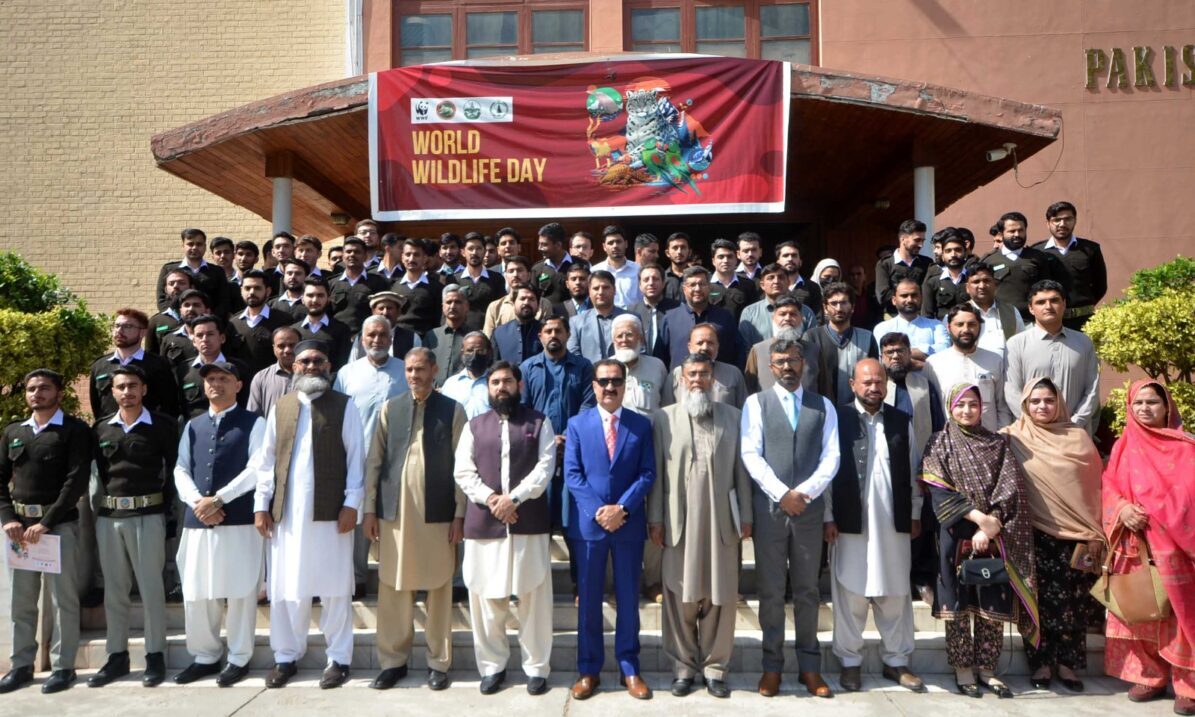
This gap became more visible during NFC awareness seminars held at universities, where students were surprised to learn for the first time that provinces had their own financial rights. The same situation appeared during a workshop on fake news: out of forty students, only two could identify fake news, while the rest accepted every news item as authentic. Very few knew that laws like RTS and the Right to Information Act exist, granting citizens access to state decisions. This shows that our fundamental problem is not just policy, resources or power; the real issue is ignorance. Ignorance creates space for fake news, propaganda, confusion about national policies and unawareness about basic constitutional rights.
It must be acknowledged that Chief Minister Sohail Afridi’s government has taken a significant step to fill this gap. Awareness campaigns, seminars and discussions on the NFC Award have shown for the first time that provincial rights are not merely political slogans—they are constitutional and legal realities. Today, almost every major university in Khyber Pakhtunkhwa has held detailed debates, dialogues and discussions on NFC, and there is a general consensus that the state too has a responsibility to spread knowledge. This is why the credit goes to Chief Minister Sohail Afridi, who for the first time built the foundation for this dialogue and brought it to educational institutions. Now, the need of the moment is to expand this effort into other subjects as well, because universities are the very centers from where intellectual change, awareness and reform originate.
But the question remains—what next? Awareness alone is not enough. It is time that this awareness be converted into system, policy and mechanism so that the province and the people also learn how to exercise their rights. The country does not only need to know that resources exist; it must move forward and create a framework where provincial strength and autonomy are ensured. If Chief Minister Sohail Afridi transforms this initiative into a proper mechanism that protects resources, the NFC Award and provincial rights, then the province may begin a journey of development that could change history—and become an example for the rest of the country. Because true progress begins with knowledge, but it always ends in action.

Leave a Reply