

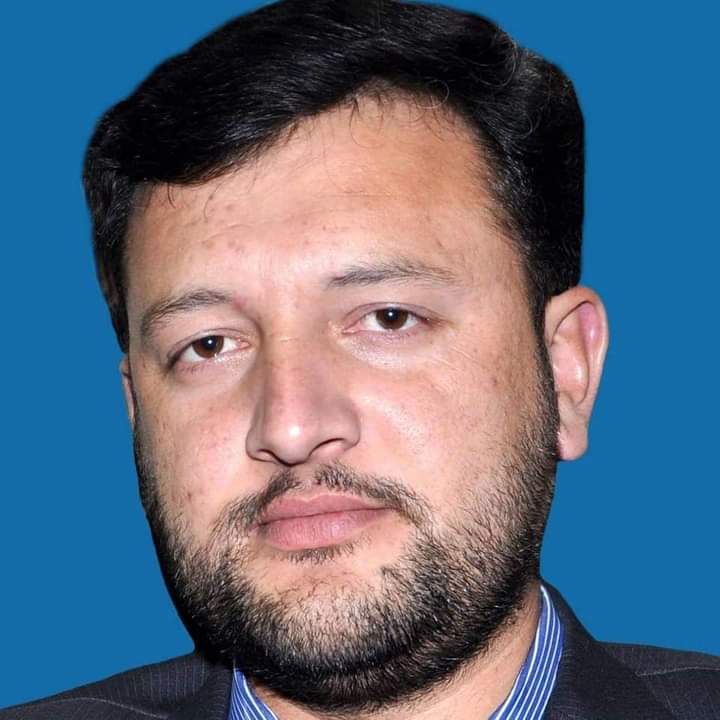
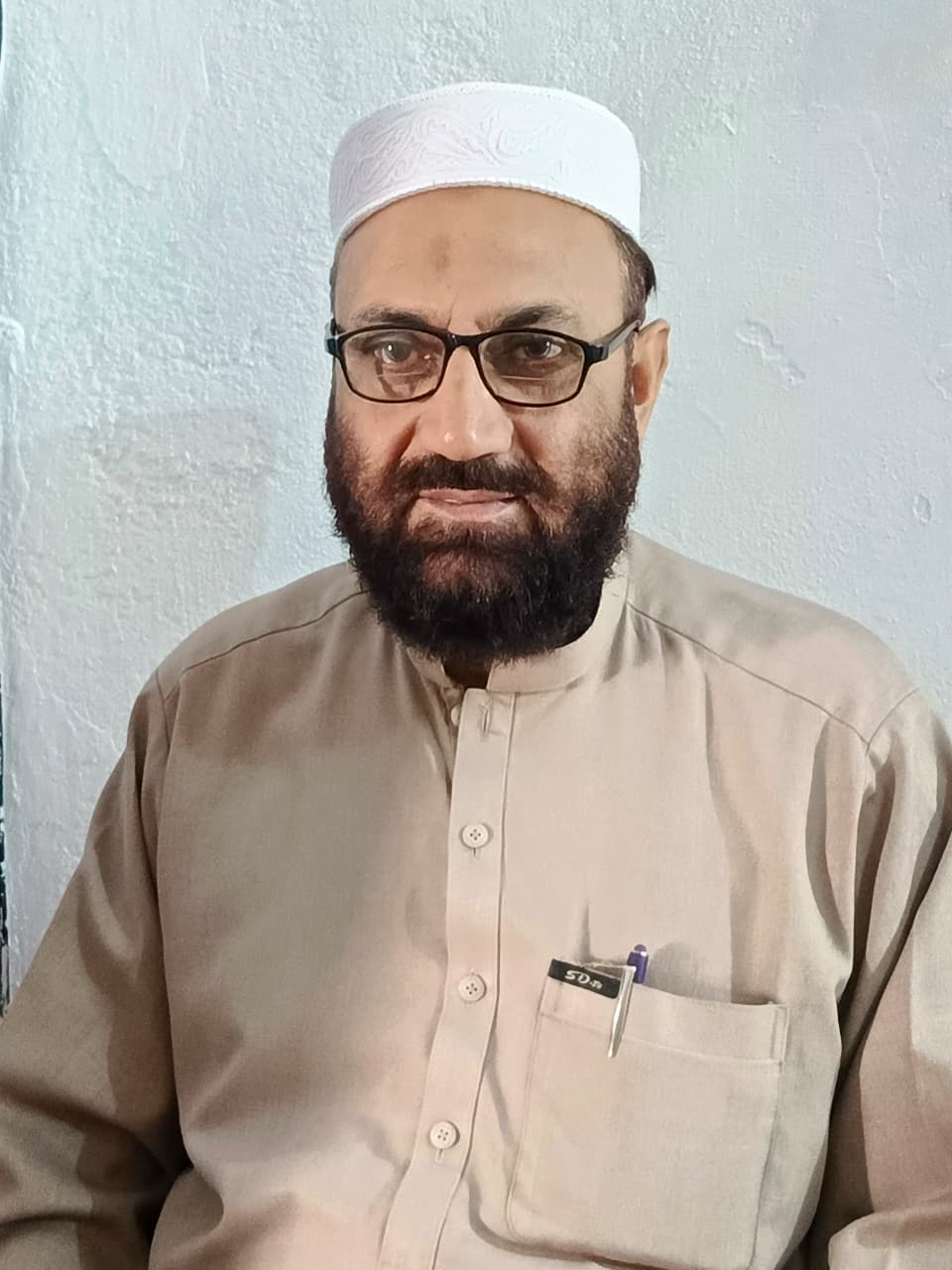
Mairaj ul Hamid Nasri (Public Relations Officer; University of Malakand)
Malakand Division had been yearning for a seat of learning in higher education sector since independence of Pakistan. As a far flung area in the north-west of the country, the government machineries paid little attention to the development of the area especially in education sector. The establishment of first ever university was made possible after significant political, social and students’ movements. Owing to the persistent demands and momentum in the movements, the establishment of a university in Malakand Division had become essential to enable access to higher education in this region. In August 2001, upon the request of the then-District Nazim of Lower Dir, late Dr. Muhammad Yaqub Khan, the education-friendly Governor of the North-West Frontier Province (now Khyber Pakhtunkhwa), late Lt. Gen. (R) Iftikhar Hussain Shah, granted approval for establishing a university at Chakdara, thus fulfilling the longstanding demand of the local population.

University of Malakand was initially set up in a building that formerly housed a timber factory that persistently undergone failures amid bad governance and corruption, but the establishment of university poured new life in the building and became a light house of higher education for the upcoming generations. Although the early years were challenging and demanding, yet due to firm determination and the capability of the founding leadership and staff, the timely nurturing and direction helped this small sapling grow into a fruitful and shelter-giving tree. Due to the U.S. invasion of the neighboring country Afghanistan and its spillover effects, educational activities faced temporary disruption, yet within three months of its inception, regular classes began on 30 November 2001 in the university.
The provincial government entrusted the leadership of the university to a man well aware of the region’s social and political dynamics; Professor Dr. Jehandar Shah from the Department of Botany at Islamia College Peshawar who became the first Vice Chancellor of the University. The university’s academic journey began with only six departments: English, Sociology, Pharmacy, Mathematics, Computer Science, and Biotechnology. The first cohort consisted of 21 male students and only 6 female students, while the teaching staff included newly graduated young lecturers, with only two PhD holders.
With the passage of time, despite difficulties and challenges, the university continued to earn academic successes and presented its social welfare services to the local community as well. Like the rest of the country, Malakand University was also targeted by militants during the peak of extremism and terrorism, resulting in the loss of precious lives. During military operations, the university provided shelter for internally displaced people of the locality. During natural disasters, especially the devastating floods of 2010, 2022, and 2025; the university stood by the affected communities of Bajaur, Swat, Buner, Shangla, Malakand, and Dir, reaching out with assistance on a self-help basis. 
As the university progressed through academic and administrative phases, it reached new milestones. Until today, the university has been served by six Vice Chancellors: Professor Dr. Jehandar Shah, Professor Dr. Muhammad Iqbal, Professor Dr. Rasul Jan, Professor Dr. Johar Ali, Professor Dr. Rahmat Ali Khan, Professor Dr. Gul Zaman, and the incumbent Professor Dr. Rashid Ahmad. Each, to the best of their ability has played a significant role in stabilizing and strengthening the institution, both in academics and finances.
A major source of the university’s success has been that most of its Vice Chancellors, faculty members, and administrative staff have belonged to the region, giving them deep familiarity with local customs and social norms, enabling them to resolve many issues even before they surfaced. Local community leaders and political representatives have also supported the university in resolving various challenges and securing grants from the government, demonstrating their enduring love for the institution.
University of Malakand has also made its mark in national and international academic rankings. In the past five years alone, the university has consistently appeared as the top-ranked institution in Khyber Pakhtunkhwa and among the top ten universities in Pakistan in the global rankings issued by reputable organizations such as Times Higher Education and UI Green Metrics. The credit goes to its competent faculty, hard-working students and committed administrative staff.
Today, the university comprises 36 departments, 300 faculty members, 500 administrative staff, and 9,000 students. Aligning its academic focus with contemporary needs, the university has introduced new programs and disciplines. Where once female students were almost nonexistent, they now form nearly half of the students’ population and in some departments, a majority of the students’ body. Representation of the students now comes from across the province, although local female students remain higher in proportion, reflecting how the university has transformed the destiny of the region.
Graduates of the Malakand University are not only serving across Pakistan but are also counted among skilled professionals in both developing and the developed countries. The university senior faculty has also served as vice chancellors of other universities of the country showing their caliber, administrative skills and academic soundness. Along with academic achievements, the university has excelled in co-curricular activities, participating and winning at national and international forums. Faculty members regularly present papers at national and global conferences, publish research in reputable journals, and contribute to international academic projects. On campus the students’ societies remain active throughout the year, thus leaving little room for non-academic disruptions.

A review of student facilities reveals a vast and scenic campus that spreads over 7 kilometers area. Approaching Chakdara via the Swat Motorway, the university’s boundary wall on the hillside resembles the Great Wall of China, while on the other side, the campus extends to the Swat River. Two canals that are drawn from the river pass through the campus, adding to its beauty. Within the campus there are four major academic blocks, higher secondary school, five hostels, a professors’ colony, two bachelor hostels, two bank branches, cafeterias, large sports grounds, and lush lawns adorned with pine trees. In terms of size and natural beauty, Malakand University can rightly be considered one of the most picturesque in the country.
Over the years, the university has also hosted major national political and academic figures, including the Prime Minister of Pakistan, federal and provincial ministers, governors and chief ministers of the province, senior civil and military officials.
This year, University of Malakand is celebrating the Silver Jubilee of its academic journey, marking the beginning of its 25th year with gratitude and pride. Special certificates and awards are being arranged to honor individuals who have served the university in various roles. The first week of December is traditionally celebrated as Foundation Week, featuring Chrysanthemum Exhibitions, a traditional poetic-symposium, cultural stalls, and a variety of events. This year too, the Foundation Week will be observed with enthusiasm, inviting personalities from various walks of life to revisit the university’s remarkable journey in the first week of December. Let’s pray that may Allah bless University of Malakand with continued growth and enable it to play an even greater role in the development of the region, the country, and the nation. Ameen.
The author can be reached at mairajulhamid717@gmail.com.



Leave a Reply