

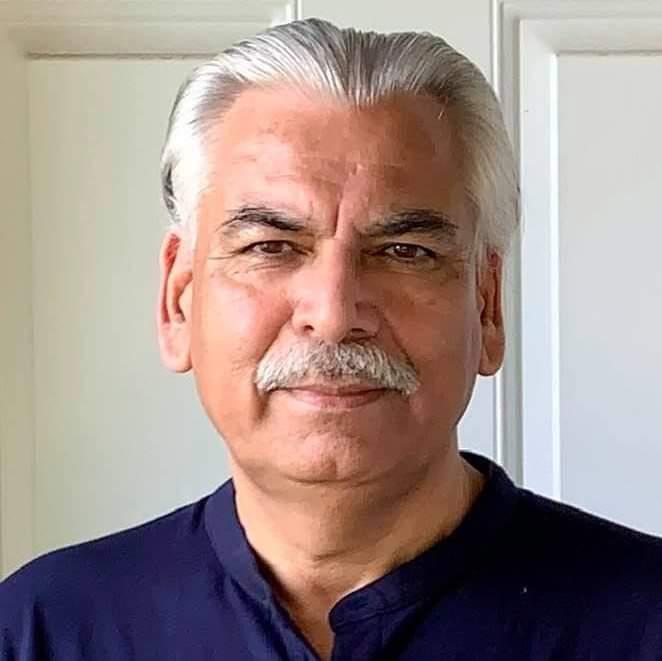
Barrister Dr. Usman Ali
The University of Peshawar stands today at a remarkable milestone , its 75th foundation day, a moment of reflection and renewal. Established on October 30, 1950, with its foundation stone laid by Prime Minister Liaquat Ali Khan, this institution was born in a newly independent Pakistan with a bold vision: to bring higher education to the frontier, to shape minds that would shape the future. For decades, it remained the only university in Khyber Pakhtunkhwa, nurturing generations of leaders, scholars, scientists, administrators, and visionaries. Its legacy is deeply woven into the intellectual, political, and cultural fabric of the province and, indeed, the nation.
The University of Peshawar was not simply a place of learning; it was an idea , the idea that education could be a bridge between the periphery and the centre, between heritage and modernity. Its classrooms became the training ground for thousands of students who went on to serve not only the province but also the country and the world. Its alumni are present on every continent, leading in government, law, education, medicine, diplomacy, science, and the arts. Among them have been renowned politicians, ambassadors, leading academics, military officials, and even a President of Pakistan , an enduring testament to the transformative power of this institution.
For many decades, when no other public university existed in Khyber Pakhtunkhwa, this single institution carried the weight of educating the entire province’s talent. It produced the teachers who taught in its schools, the administrators who built its institutions, the doctors who served its hospitals, and the lawyers who upheld its laws. It became an intellectual anchor for a vast region that had long been defined by its resilience and history, but now also by the knowledge and skills of its people.
The campus itself , spread over a thousand acres at the foot of the historic Bala Hisar , became synonymous with academic vibrancy and cultural dialogue. It has been home to literary societies, research seminars, student debates, and cultural festivals that brought together people of different ethnic, linguistic, and social backgrounds. The University of Peshawar helped shape the cultural consciousness of generations, often acting as a space where difficult questions could be asked and new ideas tested.
Its academic contributions have been wide-ranging and deeply impactful. From research in archaeology and linguistics to breakthroughs in environmental sciences, public health, and regional studies, the university has been a hub of intellectual inquiry. Its scholars have contributed significantly to understanding the complex history, culture, and ecology of the region. It is not just a provincial institution; it is part of Pakistan’s academic heritage, a pillar of public higher education with an international reputation.
Yet, this 75th anniversary arrives at a time of grave uncertainty. The University of Peshawar faces a financial crisis that threatens not only its day-to-day functioning but its very future. Years of underfunding have strained the institution’s ability to meet even its most basic obligations. Salaries and pensions for staff have been delayed, essential services compromised, and academic programmes squeezed by shrinking resources. What was once a model of public higher education is now struggling to keep its doors open with dignity.
The roots of this crisis are deep. The university’s pension liabilities have grown to unsustainable levels, consuming a large share of its budget. Government allocations have not kept pace with inflation, increased enrolment, or rising operational costs. Administrative challenges and delays in reform have compounded the problem. Like many public universities in the province, UoP has found itself trapped between financial dependence and structural stagnation. But its central role makes its crisis uniquely dangerous: when the oldest and most respected university of the province falters, the ripple effects are felt throughout the entire educational ecosystem.
However, decline is not destiny. A university with the intellectual and historical weight of the University of Peshawar can , and must , be revived with bold, clear-headed action. The first step must be immediate financial stabilization. The provincial and federal governments should recognize the university’s strategic importance and introduce a special rescue package to clear arrears, cover pension obligations, and ensure regular salary disbursement. A multi-year funding formula tied to performance and realistic projections would bring predictability and reduce recurring crises.
At the same time, the university must chart a new financial path for itself. Around the world, great public universities sustain their mission through a mix of government support, research grants, endowments, and alumni contributions. UoP has a proud alumni community scattered across the globe , people whose lives were transformed by this institution. Among them are politicians, bureaucrats, and influential figures who proudly proclaim their association with this great alma mater. In speeches and interviews, many of them take pride in saying they are “graduates of the University of Peshawar.”
And yet, when they reached the corridors of power, they rarely turned back to give anything to the institution that gave them everything. They never paused to consider that the university that paved their path to success also has a claim on their support. The same silence is visible among many other powerful alumni in high offices who could, with even a modest contribution or advocacy, help pull this historic institution out of its present financial quagmire. Pride without responsibility is hollow. If these influential alumni truly honour their alma mater, now is the time to show it through action, not words.
Administrative reform is another urgent priority. Transparent governance, modern financial systems, merit-based leadership, and autonomy from unnecessary political interference are essential to rebuild trust and efficiency. Academic expansion must be strategic, focusing on high-impact disciplines such as environmental sciences, public policy, health sciences, and technology, rather than unchecked growth without resources. Partnerships with national and international research organizations can bring in new funding and raise the university’s profile.
But the revival of UoP is not just about finances and administration, it is also about restoring its spirit. For much of its history, this university was known for its lively intellectual climate, vibrant student life, and culture of debate. Reinvesting in libraries, laboratories, digital infrastructure, and cultural spaces can help rekindle that spirit. Protecting academic freedom, upholding merit, and encouraging critical thinking will make it once again a true centre of knowledge and leadership.
The 75th anniversary should not only be a nostalgic remembrance of what once was; it must be a turning point. This institution has survived wars, political upheavals, and decades of change. It has been a lighthouse for those who sought knowledge and a platform for those who wanted to build a better society. Letting it decline due to financial neglect or administrative complacency would not just be the loss of one university , it would be the loss of an entire chapter of national educational history.
The call to action is clear. The state must act decisively. University leadership must reform boldly. Faculty and students must stand united in purpose. And most importantly, the alumni who carry its name with pride must now carry its burden with responsibility.
The University of Peshawar was built on the belief that education can transform societies. That belief must now transform the university itself.
Seventy-five years of history is not the end of a story , it is the foundation of a future. This great alma mater must not be remembered as a relic of the past, but rebuilt as a pillar of the future. If we act with vision and resolve, the University of Peshawar can enter its next seventy-five years stronger, freer, and more vibrant than ever before , continuing to illuminate the path for generations to come.










Leave a Reply