

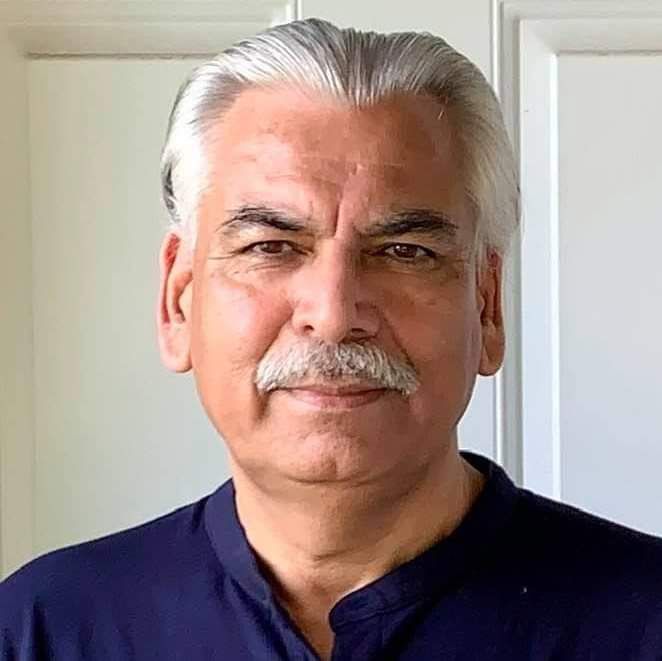
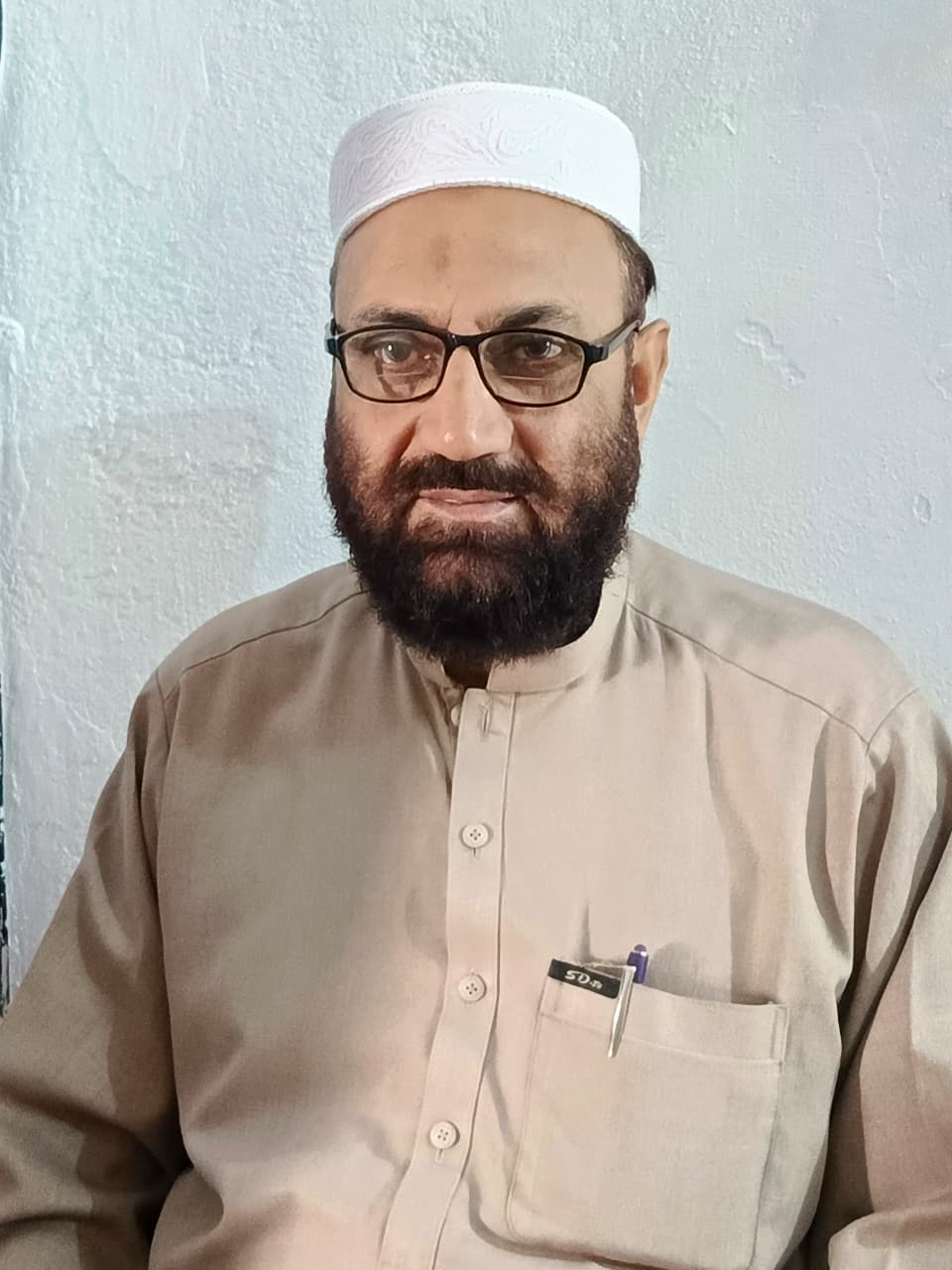
Barrister Usman Ali
Western democracies have long portrayed themselves as safe havens for those fleeing persecution, armed conflict, and political repression. The asylum systems of countries such as the United Kingdom, Canada, and the United States are rooted in humanitarian principles, international law, and moral responsibility, and have provided protection to millions worldwide. These values are legitimate and must be preserved. However, the credibility of these systems and the rule of law come into question when legal protections are misused to shield criminal conduct, extremist propaganda, and incitement to violence against countries of origin.
Freedom of expression is a cornerstone of democratic societies, but it has never been unconditional or unlimited. All major democracies recognise a clear legal distinction between legitimate political expression and criminal conduct. Threats of violence, encouragement of terrorism, and calls for assassination fall outside the scope of protected speech. These limits exist because words can translate into real-world harm. History repeatedly shows that incendiary rhetoric often precedes actual violence.
The digital age has significantly magnified this challenge. Social media platforms, livestreams, and online political networks allow individuals thousands of kilometres away to mobilise protests, amplify hostility, and influence unrest in real time. Activities once confined to fringe circles can now reach global audiences within minutes. This phenomenon is not limited to any one ideology, nationality, or community. Europe and North America have repeatedly witnessed cases where individuals operating under immigration or asylum protections exploited legal hesitation to engage in serious criminal or extremist activity.
Against this broader backdrop, Pakistan has recently emerged as a clear and concrete example of how overseas political activism can cross into criminal incitement. The Ministry of Foreign Affairs formally raised serious concerns with the British government following demonstrations held near Pakistan’s diplomatic mission in the United Kingdom. According to official statements, these protests involved inflammatory rhetoric and explicit violent threats directed at Pakistan’s state leadership. Islamabad made it clear that such conduct cannot be described as political dissent or peaceful protest, but rather constitutes criminal incitement under established legal standards.
Pakistan’s position was framed not as political grievance but as a matter of law and principle. The government emphasised that incitement to violence is a criminal offence under British counter-terrorism legislation and a violation of international obligations to which the UK is a party. Pakistan called for the identification of those responsible, thorough investigations, and action in accordance with existing laws. The core message was unambiguous: no state should allow its territory to be used for violence or destabilisation against another sovereign country.
The diplomatic protest did not arise in isolation. For a considerable period, the territories of the United States, Canada, and the United Kingdom have been used for organised and toxic propaganda campaigns against Pakistan. A small group of individuals residing in these countries, having fled Pakistan and affiliated with Pakistan Tehreek-e-Insaf, have for years disseminated frivolous, baseless, and false narratives through YouTube channels and social media platforms without restraint. While such activity was long dismissed as online rhetoric, recent developments show that it has escalated into open incitement and calls for violence. At this stage, it is not unreasonable to conclude that certain overseas elements linked to PTI have crossed moral, legal, and political boundaries.
The situation became more serious when videos from these demonstrations circulated widely online, showing protesters issuing direct threats against Pakistan’s leadership. Such language cannot reasonably be defended as free speech or political criticism. Under internationally recognised legal standards, it constitutes clear incitement, regardless of whether the intended target is domestic or foreign.
This episode exposes a troubling double standard. When similar threats or extremist rhetoric target domestic leaders or institutions in Western countries, enforcement is swift and decisive. Investigations are launched, arrests are made, and online content is removed. When the same conduct targets foreign states, responses are often slower or ambiguous, framed as overseas political disputes rather than criminal acts. Such inconsistency undermines the rule of law and damages international trust.
It also ignores a critical reality: extremist narratives and criminal networks rarely remain contained. Individuals who promote violence abroad can eventually pose risks to host societies themselves. Tolerating incitement today often results in security crises tomorrow. Selective enforcement does not insulate democracies; it weakens them.
It is therefore essential to maintain a clear distinction between criticism and crime. Democratic societies must protect the right to criticise governments, advocate political change, and engage in peaceful protest, including criticism of foreign states. However, calls for murder, terrorism, or armed violence are not expressions of dissent. Blurring this line weakens democracy rather than strengthening it.
Addressing this challenge does not require new laws or extraordinary powers. The legal frameworks already exist. British counter-terrorism laws, North American criminal codes, and United Nations resolutions clearly prohibit incitement to violence and terrorism. What is required is consistent, impartial enforcement and genuine cooperation between states through established legal and diplomatic channels.
Asylum is a humanitarian protection, not immunity from accountability. Granting refuge or citizenship does not absolve individuals of responsibility for criminal conduct. Upholding this principle protects both the integrity of asylum systems and the safety of societies at home and abroad.
Western democracies claim global leadership in the rule of law, human rights, and counter-extremism. These claims are credible only when applied without selectivity or delay. Freedom of expression must be protected, but it cannot be allowed to serve as a shield for criminal incitement, violence, or destabilisation. It is also worth asking whether any of these countries would accept or tolerate similar threats, incitement, or calls for violence against their own leadership or institutions if made by their citizens while sitting abroad in another country. If Western states truly believe in the principles they espouse, they must make it clear that their soil cannot be used as a platform for threats, hatred, and violence against another state. Silence and selective enforcement will only render their legal and moral claims hollow.







Leave a Reply